Conditions · Metabolism (biochemistry)
Marasmus !
Severe childhood malnutrition from lack of energy: the child burns fat and muscle until 'skin and bones', without oedema.
Updated 2026-11-01
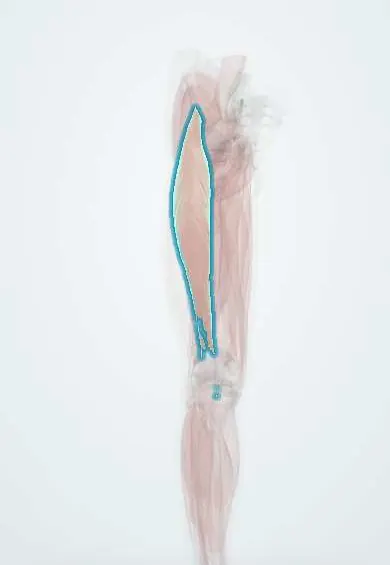
Structures involved
Tap one to see what it is and open it in 3D.
In biochemistry
- Energy requirements and basal metabolic rate (BMR)
- Nitrogen balance
- Fed, fasting and starvation states
- Leptin, appetite and obesity
In the clinical exam
In physiology
Why it happens
- Severe acute malnutrition: marasmus and kwashiorkor
- Atrophy
- Health effects of climate change
- Causes of cell injury
What it is
Severe acute malnutrition without oedema from a long total energy deficit, with marked loss of fat and muscle.
Who gets it
It predominates in infants and young children in poor settings, especially without breastfeeding or with chronic diarrhoea; WHO estimated 45 million children under 5 were wasted in 2022. In Colombia it mainly affects scattered rural and indigenous communities (a qualitative statement, no figure cited here).
Causes
- Very low energy intake for weeks or months
- Early weaning or over-diluted formula
- Chronic diarrhoea and infections (tuberculosis, HIV)
- Chronic diseases that raise expenditure or prevent eating
Risk factors
- Poverty and food insecurity
- Age under 1 year
- No breastfeeding
- Low birth weight
- Unsafe water and poor sanitation
Pathophysiology
It is the starvation adaptation taken to the extreme. Insulin falls and cortisol and GH rise (with low IGF-1): the body mobilises fat and then breaks down muscle for gluconeogenic amino acids. Leptin and T3 fall and basal metabolism drops to save energy. Because the adaptation works, albumin is relatively kept and there is no oedema or fatty liver. Glycogen and fat reserves are nearly gone, so the child easily falls into hypoglycaemia and hypothermia, and atrophy of the gut and thymus favours diarrhoea and infection.
Classification
- Marasmus
- Marasmic kwashiorkor (wasting with oedema)
Symptoms and signs
- Extreme wasting with visible ribs and bones
- Loss of fat from the cheeks ('old man's face') and buttocks ('baggy pants')
- Very thin, weak muscles
- Alert but irritable child, often hungry
- Growth delay
- Frequent diarrhoea and infections
Diagnosis
- Clinical
- Severe acute malnutrition without oedema: weight-for-height below −3 standard deviations or mid-upper arm circumference below 115 mm in children 6 to 59 months, by WHO criteria.
- Tests
- Glucose, electrolytes (potassium, magnesium, phosphate), blood count, infection screening (HIV, tuberculosis, malaria in endemic areas), urine and stool examination.
- Imaging
- Chest X-ray if pneumonia or tuberculosis is suspected.
Treatment
- Acute
- Stabilisation: treat hypoglycaemia, hypothermia and dehydration with special solutions for malnourished children
- Medical
- Routine antibiotics and treatment of infections
- Medical
- Gradual refeeding with therapeutic formulas and ready-to-use therapeutic foods, with micronutrient correction
- Follow-up
- Monitoring for refeeding syndrome and follow-up of weight, growth and development
Complications
- Hypoglycaemia and hypothermia
- Severe infections
- Refeeding syndrome
- Stunted growth and delayed cognitive development
- Death
Prognosis
Recovery is good with timely treatment; prolonged malnutrition can leave short stature and developmental after-effects.
Prevention
- Exclusive breastfeeding for the first 6 months
- Adequate complementary feeding
- Safe water, sanitation and vaccination
- Growth monitoring
Test yourself
Think of the answer, then tap the question to see it.
What is the basic clinical difference between marasmus and kwashiorkor?
Marasmus is severe wasting without oedema; kwashiorkor has bilateral pitting oedema.
Why is there usually no fatty liver in marasmus?
Because the fasting adaptation works: little fat reaches the liver and liver protein synthesis is relatively kept.
Which hormones fall in marasmus to save energy?
Insulin, leptin and T3.
Which arm circumference defines severe acute malnutrition in children 6 to 59 months?
Below 115 mm, by WHO criteria.
Related conditions
Educational information, not medical advice. For any symptom, see a health professional.
Sources: Fact sheets - Malnutrition (World Health Organization, 2026); Malnutrition: MedlinePlus Medical Encyclopedia (MedlinePlus, US National Library of Medicine, 2026); Malnutrition: MedlinePlus (MedlinePlus, US National Library of Medicine, 2026).
Spotted a mistake?We are always improving for the community. Tell us what is wrong and our team will review it.Report a mistake
Representative model, for educational purposes only.