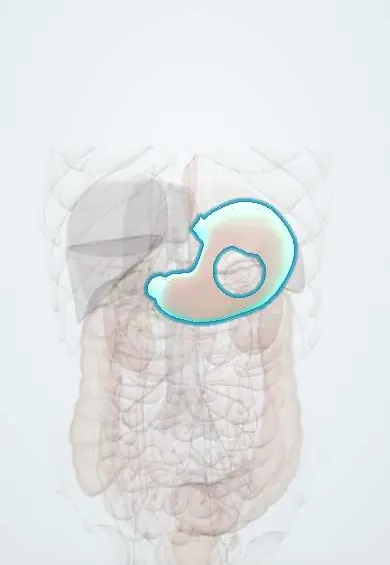
Acute (viral) gastroenteritis !
Acute gastroenteritis is inflammation of the stomach and intestines, usually viral, with sudden diarrhoea and vomiting; dehydration is the main danger.
Updated 2026-10-30
Structures involved
Tap one to see what it is and open it in 3D.
In biochemistry
Microorganisms that cause it
- Vibrio vulnificus and Vibrio parahaemolyticus
- Escherichia coli
- Non-typhoidal Salmonella
- Yersinia
- Campylobacter jejuni
- Clostridium perfringens
- Bacillus cereus
- Giardia duodenalis
- Cryptosporidium spp.
- Cyclospora cayetanensis and Cystoisospora belli
- Adenovirus
- Rotavirus
- Norovirus
In the clinical exam
In physiology
- Carbohydrate digestion and absorption
- Water and electrolyte absorption and how diarrhea happens
- Vomiting and its control
- Potassium balance
- Metabolic acidosis, the anion gap and compensation
- Dehydration and fluid overload
Why it happens
- Health effects of climate change
- Severe acute malnutrition: marasmus and kwashiorkor
- Small intestine: villi, crypts, enterocytes, Paneth cells; duodenum vs jejunum vs ileum
What it is
Acute inflammation of the stomach and intestines, most often caused by viruses, with sudden diarrhoea, often vomiting, that usually resolves within a few days; dehydration is the main danger.
Who gets it
Very common at all ages and still an important cause of child illness in Latin America. Norovirus leads outbreaks at all ages; rotavirus, once the main cause of severe child diarrhoea, has fallen where its vaccine is used, as in Colombia. In Bucaramanga, Colombia (2013–2014), norovirus GII explained an estimated 14% and rotavirus 9.3% of moderate to severe cases under age 5.
Causes
- Norovirus (outbreaks at all ages: schools, cruise ships, care homes)
- Rotavirus (infants and young children)
- Enteric adenovirus, astrovirus and sapovirus
- Spread by the faecal-oral route: hands, contaminated food or water, surfaces; vomit aerosols with norovirus
Risk factors
- Young children and older adults (higher risk of dehydration)
- Day care, schools, care homes, ships
- Poor hand hygiene, unsafe water and sanitation
- Lack of rotavirus vaccination
- Immunosuppression
Pathophysiology
Viruses infect and damage the cells on the tips of the small bowel villi, reducing absorption and digestive enzymes and causing osmotic diarrhoea. Rotavirus also produces a toxin (NSP4) that drives secretion. Loss of water and salts by stool and vomiting leads to dehydration, electrolyte disorders and acidosis.
Classification
- Dehydration by WHO categories: no dehydration, some dehydration, severe dehydration
- Watery diarrhoea versus bloody diarrhoea (dysentery, suggests a bacterial or parasitic cause)
Symptoms and signs
- Sudden watery diarrhoea without blood
- Nausea and vomiting, often first (marked in norovirus)
- Crampy abdominal pain
- Low-grade fever, muscle aches
- Signs of dehydration: thirst, dry mouth, few tears, less urine
Diagnosis
- Clinical
- Mainly clinical. Dehydration is graded by general condition, eyes, thirst and skin pinch (WHO assessment); weight loss is the most accurate measure when a recent weight is known.
- Tests
- Usually not needed. Electrolytes, glucose and renal function in moderate to severe dehydration. Stool tests (viral antigen or molecular panels) in outbreaks, bloody diarrhoea, hospital patients or the immunosuppressed.
- Imaging
- Not routinely used; abdominal ultrasound or other imaging only if a surgical cause is suspected.
Differential diagnosis
- Bacterial or parasitic gastroenteritis (Salmonella, Shigella, Campylobacter, Giardia, amoebiasis)
- Acute appendicitis
- Intussusception (infants)
- Diabetic ketoacidosis
- Urinary tract infection or other infections with vomiting
- Food poisoning (preformed toxins)
Goal of treatment
Prevent and correct dehydration, keep nutrition going and avoid spreading the infection while the illness runs its course.
Treatment
- Conservative
- Oral rehydration with reduced-osmolarity oral rehydration salts (WHO ORS) for no or some dehydration, given in small, frequent sips.
- Lifestyle
- Continued breastfeeding and normal age-appropriate feeding once rehydrated.
- Medical
- Zinc supplementation for children with diarrhoea, as recommended by WHO.
- Acute
- Intravenous fluids for severe dehydration, shock or failure of oral rehydration.
- Medical
- An antiemetic (5-HT3 antagonist) in selected children with vomiting to allow oral rehydration.
- Medical
- Antibiotics are not used for viral gastroenteritis; antimotility agents are avoided in young children and in bloody diarrhoea.
Drugs for this condition
Complications
- Dehydration and hypovolaemic shock
- Electrolyte disorders (sodium, potassium) and metabolic acidosis
- Acute kidney injury
- Temporary lactose intolerance
- Post-infectious irritable bowel syndrome
Prognosis
Usually self-limited within a few days with full recovery. Deaths are mostly from dehydration in young children, older adults and malnourished people, and are largely preventable with oral rehydration.
Prevention
- Handwashing with soap and water (alcohol gel is less effective against norovirus)
- Rotavirus vaccination in infancy
- Safe water, sanitation and food hygiene
- Cleaning surfaces with chlorine-based products and staying off work or school until symptoms end
Test yourself
Think of the answer, then tap the question to see it.
Which virus causes most outbreaks of gastroenteritis in all age groups?
Norovirus.
Which virus was the main cause of severe childhood diarrhoea before vaccination?
Rotavirus; routine infant vaccination has reduced severe cases and hospital admissions.
What is the main treatment of viral gastroenteritis with mild to moderate dehydration?
Oral rehydration with reduced-osmolarity oral rehydration salts (WHO ORS), plus continued feeding.
Which clinical signs suggest severe dehydration in a child?
Lethargy or unconsciousness, sunken eyes, inability to drink and a skin pinch that goes back very slowly.
Why are antibiotics not used in viral gastroenteritis?
They do not act on viruses, do not shorten the illness and can cause side effects and resistance.
Related conditions
- Hypovolaemic shock
- Acute appendicitis
- Irritable bowel syndrome
- Intussusception (children)
- Urinary tract infection (acute cystitis)
- Amoebic liver abscess
- Infantile hypertrophic pyloric stenosis
Educational information, not medical advice. For any symptom, see a health professional.
Sources: Viral Gastroenteritis (StatPearls (NCBI Bookshelf), 2025); Etiology of acute gastroenteritis among children less than 5 years of age in Bucaramanga, Colombia: A case-control study (PLoS neglected tropical diseases, 2020) · adapted, CC BY 4.0.
Spotted a mistake?We are always improving for the community. Tell us what is wrong and our team will review it.Report a mistake
Representative model, for educational purposes only.