Conditions · Vitamins and minerals
Menkes disease !
A genetic disease of boys in which the gut cannot pass copper into the blood: kinky hair, seizures and neurological decline.
Updated 2026-11-01
Structures involved
Tap one to see what it is and open it in 3D.
In biochemistry
- Catecholamine synthesis and breakdown: Step 3 · Dopamine β-hydroxylase (DBH)
- Collagen synthesis
- Collagen
- Elastin
- Copper
What it is
An X-linked recessive disorder caused by ATP7A mutations that blocks copper export from enterocytes and its delivery to the enzymes that need it. Milder forms include occipital horn syndrome.
Who gets it
Rare: about 1 in 100,000 to 250,000 live births. It affects almost only boys; mothers are usually carriers.
Causes
- Mutations of the ATP7A gene (X chromosome)
Risk factors
- Male sex
- Carrier mother or family history of affected males
Pathophysiology
ATP7A pumps copper out of the enterocyte into blood and into the Golgi apparatus to load it onto enzymes. Without it copper is trapped in the gut and kidney and is lacking in the brain and the rest of the body. Lysyl oxidase fails (weak collagen and elastin: tortuous arteries, lax skin, bladder diverticula), as do cytochrome c oxidase (neurodegeneration), dopamine β-hydroxylase (dysautonomia), tyrosinase (hypopigmentation) and the enzymes forming keratin disulphide bonds (brittle hair).
Classification
- Classic severe (onset in the first months)
- Mild or atypical
- Occipital horn syndrome (connective tissue predominates)
Symptoms and signs
- Sparse, kinky, brittle, colourless hair (pili torti)
- Hypotonia, developmental delay and regression
- Seizures from 2 or 3 months
- Hypothermia, poor weight gain
- Lax skin, chubby cheeks
Diagnosis
- Clinical
- A baby boy with abnormal hair, hypotonia and seizures; microscopy of the hair (pili torti).
- Tests
- Low serum copper and ceruloplasmin; plasma catechol ratio (high DOPA/DHPG) as an early test; ATP7A genetic testing.
- Imaging
- Brain MRI and MR angiography: atrophy, white matter changes, subdural haematomas and tortuous intracranial arteries; X-rays with wormian bones and metaphyseal spurs.
Treatment
- Medical
- Subcutaneous copper histidinate started in the first weeks of life, which can improve outcome in some mutations
- Medical
- Management of seizures, nutrition and infections
- Rehabilitation
- Supportive therapies and palliative care as the disease evolves
- Follow-up
- Genetic counselling and carrier testing in the maternal family
Complications
- Progressive neurodegeneration
- Subdural haemorrhage and aneurysms
- Respiratory infections
- Bladder diverticula, bladder rupture
Prognosis
In the classic form most children die before age 3; very early copper treatment improves the course in some patients.
Prevention
- Genetic counselling and prenatal diagnosis in families with a history
Test yourself
Think of the answer, then tap the question to see it.
Which transporter fails in Menkes disease?
ATP7A, which exports copper from enterocytes into blood and loads it onto enzymes in the Golgi apparatus.
Why do children with Menkes have tortuous arteries?
Lysyl oxidase fails; this copper enzyme forms the cross-links of collagen and elastin.
Which hair finding is typical?
Pili torti: hairs twisted on their axis, brittle and poorly pigmented.
How does it differ from Wilson disease?
In Menkes the body lacks copper (ATP7A failure, X-linked); in Wilson it builds up in the liver and brain (ATP7B failure, autosomal recessive).
Related conditions
Educational information, not medical advice. For any symptom, see a health professional.
Sources: Menkes syndrome: MedlinePlus Genetics (MedlinePlus, US National Library of Medicine, 2026); ATP7A gene: MedlinePlus Genetics (MedlinePlus, US National Library of Medicine, 2026); Copper in diet: MedlinePlus Medical Encyclopedia (MedlinePlus, US National Library of Medicine, 2026); Ceruloplasmin Test: MedlinePlus Medical Test (MedlinePlus, US National Library of Medicine, 2026); Textbook of Biochemistry for Medical Students, 6th ed. (Jaypee Brothers Medical Publishers (Vasudevan DM, Sreekumari S, Vaidyanathan K), 2011).
Spotted a mistake?We are always improving for the community. Tell us what is wrong and our team will review it.Report a mistake
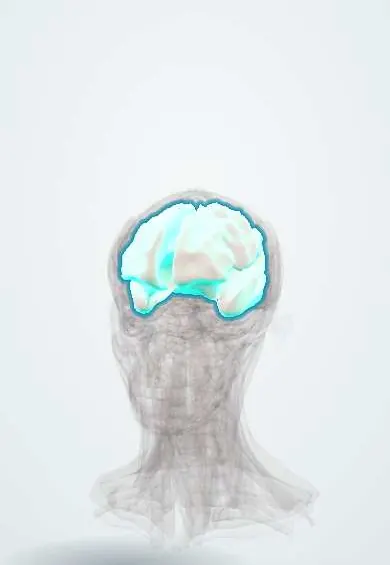
Representative model, for educational purposes only.