
Noise-induced hearing loss
Permanent hearing loss from loud noise at work or leisure. It cannot be reversed, but it is almost completely preventable with hearing protection.
What it is
Sensorineural hearing loss caused by damage to the cochlear hair cells from repeated exposure to loud noise or from a single very intense sound (acoustic trauma). It typically starts at the high frequencies, around 4000 Hz, in both ears.
Who gets it
One of the most common occupational diseases worldwide and in Colombia, where it is recognised as an occupational disease and covered by a national guide for exposed workers (GATI-HNIR). Recreational noise from personal audio devices, concerts, motorcycles and fireworks also affects young people.
Causes
- Chronic exposure to noise at or above about 85 dBA over a working day
- Impulse noise: gunfire, explosions, fireworks (acute acoustic trauma)
- Mechanical and metabolic injury (oxidative stress) to the outer hair cells of the basal cochlea
- Loss of synapses between hair cells and auditory nerve fibres (hidden hearing loss)
Risk factors
- Noisy jobs: manufacturing, mining, construction, agriculture with machinery, transport, military and police
- Firearm use without protection
- Personal audio devices at high volume, concerts and nightclubs
- Not using hearing protection
- Combined exposure to ototoxic solvents or medicines, and smoking
Classification
- Temporary threshold shift: hearing recovers within hours to about two days
- Permanent threshold shift: irreversible hair cell loss
- Chronic occupational or recreational noise-induced hearing loss
- Acute acoustic trauma from a single intense impulse sound
Symptoms and signs
- Gradual hearing loss in both ears, often noticed late
- Difficulty understanding speech in noisy places
- Tinnitus, often high-pitched
- Muffled hearing after noise exposure
- Sensitivity to loud sounds (hyperacusis)
Diagnosis
- Clinical
- History of noise exposure (work, weapons, leisure) and duration; otoscopy is usually normal. Tuning forks show a sensorineural pattern.
- Tests
- Pure-tone audiometry shows bilateral, roughly symmetric sensorineural loss with a notch at 3000 to 6000 Hz, typically at 4000 Hz, and partial recovery at 8000 Hz. Otoacoustic emissions are reduced early. In workplaces, baseline and periodic audiometry after a period of rest from noise.
- Imaging
- Not needed in typical bilateral cases. MRI of the internal acoustic canals when the loss is asymmetric or there are neurological signs.
Differential diagnosis
- Presbycusis (age-related hearing loss, sloping without a notch)
- Ototoxic hearing loss
- Vestibular schwannoma
- Ménière disease
- Genetic or autoimmune hearing loss
Treatment
- Lifestyle
- Prevention is the key measure: reduce noise at the source, engineering and administrative controls, and earplugs or earmuffs when noise cannot be reduced; keep personal devices at moderate volume.
- Follow-up
- Workplace hearing conservation programmes with noise measurement, training and periodic audiometry, as set out in Colombia's occupational guide for noise-induced hearing loss.
- Rehabilitation
- Hearing aids, communication strategies and tinnitus counselling or sound therapy for established loss.
- Acute
- Acute acoustic trauma needs urgent assessment by otolaryngology; systemic corticosteroids are often started within the first days, and some centres add hyperbaric oxygen.
- Surgical
- Cochlear implant only for severe to profound loss without benefit from hearing aids.
Complications
- Permanent hearing disability
- Chronic tinnitus
- Social isolation, depression and cognitive decline linked to untreated hearing loss
- Workplace accidents from not hearing alarms
- Loss of income and occupational disability claims
Prognosis
The damage is permanent but does not progress once exposure stops; it adds to age-related loss later in life. A temporary threshold shift recovers, but repeated episodes leave lasting damage.
Test yourself
Think of the answer, then tap the question to see it.
At which frequency is the typical audiometric notch of noise-induced hearing loss?
Around 4000 Hz (3000 to 6000 Hz), with partial recovery at 8000 Hz.
Which cells are damaged first?
The outer hair cells of the basal turn of the cochlea.
Above what level does long exposure to noise start to damage hearing?
About 85 dBA averaged over a working day; the louder the noise, the shorter the safe time.
Which finding calls for MRI in a patient with noise exposure?
Asymmetric sensorineural hearing loss or unilateral tinnitus, to rule out vestibular schwannoma.
In ENT
In nursing
Connections
Educational information, not medical advice. For any symptom, see a health professional.
Sources: Noise Exposure and Hearing Loss (StatPearls (NCBI Bookshelf), 2023); Acute Acoustic Trauma (StatPearls (NCBI Bookshelf), 2024); Noise-Induced Hearing Loss (National Institute on Deafness and Other Communication Disorders (NIDCD), 2026); Guía de atención integral basada en la evidencia para hipoacusia neurosensorial inducida por ruido en el lugar de trabajo (GATI-HNIR) (Ministerio de la Protección Social, Colombia, 2006).
Spotted a mistake?We are always improving for the community. Tell us what is wrong and our team will review it.Report a mistake
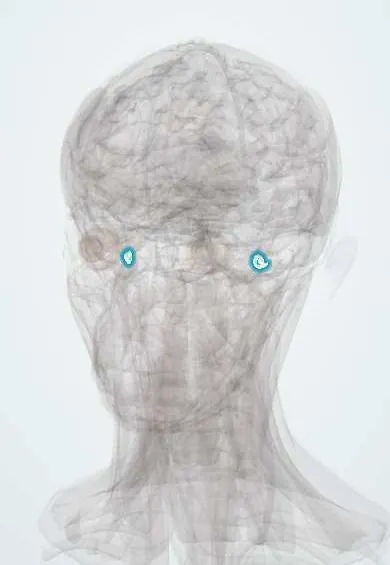
Representative model, for educational purposes only.