Conditions · Emergency medicine and toxicology
Paraquat poisoning !
Poisoning by paraquat, a highly toxic weed killer. Swallowing even a small amount can burn the throat and cause kidney failure and fatal lung scarring.
Updated 2026-11-01
Structures involved
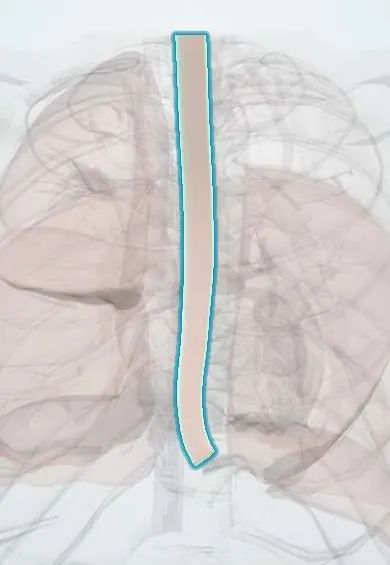
Tap one to see what it is and open it in 3D.
Why it happens
- Oxidative stress and free-radical injury
- Fibrosis in organs: TGF-β and the myofibroblast
- Chemical (toxic) cell injury: direct and after metabolism
- Reactive oxygen species and antioxidants
- NADPH
- The alveolus: type I and II pneumocytes, surfactant, the blood–air barrier
What it is
Poisoning by paraquat, a bipyridyl contact herbicide used in agriculture. There is no antidote; after ingestion it corrodes the mouth and oesophagus and accumulates actively in the lungs, where it generates free radicals that cause acute lung injury followed by progressive pulmonary fibrosis. It is one of the most lethal poisons seen in emergency departments.
Who gets it
Paraquat self-poisoning is a major cause of pesticide deaths in rural Asia and Latin America; many countries have banned it, which reduced suicide deaths. In Colombia it has been widely used in agriculture, and herbicides, including paraquat, are a recurrent cause of intentional pesticide poisoning in national surveillance (INS), with a much higher case fatality than insecticides. Mortality after deliberate ingestion of the concentrate is very high.
Causes
- Intentional ingestion of the agricultural concentrate (most cases and almost all deaths)
- Accidental ingestion, often after decanting into drink bottles
- Prolonged skin contact, especially with broken skin, during spraying
- Inhalation of spray, which mainly irritates the airways
Risk factors
- Rural agricultural work with easy household access to herbicides
- Depression, alcohol use and impulsive self-harm in young adults
- Storage of pesticides in unlabelled food or drink containers
- Lack of protective equipment while spraying
Pathophysiology
Paraquat undergoes redox cycling: it accepts an electron and transfers it to oxygen, forming superoxide and other reactive oxygen species while depleting NADPH. This damages cell membranes through lipid peroxidation. Alveolar type I and II cells take up paraquat through the polyamine transport system, so the lung concentrates the poison; early alveolitis and haemorrhage are followed by fibroblast proliferation and fibrosis over days to weeks. Because extra oxygen fuels radical generation, high inspired oxygen can worsen lung injury. The kidneys, which excrete paraquat, suffer tubular necrosis, and the liver and heart are also injured.
Classification
- Mild: small ingestion, gastrointestinal symptoms, usually survival
- Moderate to severe: kidney and liver injury with delayed pulmonary fibrosis over days to weeks, often fatal
- Fulminant: large ingestion with multiorgan failure and death within hours to a few days
Symptoms and signs
- Burning pain and ulcers of the mouth, throat and oesophagus; painful swallowing
- Nausea, vomiting, abdominal pain and sometimes bloody diarrhoea
- Reduced urine output from kidney injury within the first days
- Jaundice from liver injury
- Progressive shortness of breath, cough and low oxygen saturation over days to weeks
- Skin burns or nail damage after skin exposure
Diagnosis
- Clinical
- History of herbicide exposure (container, product, amount, time), oral and pharyngeal burns and the classic sequence of gut, kidney, liver and then lung injury. Suicidal intent is assessed in every case.
- Tests
- Qualitative urine test (sodium dithionite turns urine blue in the presence of paraquat) and plasma paraquat level where available, which help predict prognosis; creatinine, electrolytes, liver tests, blood gas and complete blood count, repeated to follow organ involvement.
- Imaging
- Chest X-ray and CT to follow lung injury: early ground-glass opacities and consolidation, later fibrosis; endoscopy may assess oesophageal injury.
Differential diagnosis
- Organophosphate or carbamate insecticide poisoning
- Diquat or glyphosate herbicide poisoning
- Caustic ingestion
- Other causes of acute kidney injury and acute respiratory distress syndrome
Goal of treatment
Limit absorption as early as possible, support failing organs while avoiding unnecessary oxygen, relieve pain and distress, and address suicide risk; with no antidote, care includes honest prognostic communication and palliation when fibrosis progresses.
Treatment
- Acute
- Immediate decontamination: remove contaminated clothing and wash skin with water; early oral adsorbents (activated charcoal or Fuller's earth) after recent ingestion. Vomiting is not induced.
- Medical
- Supportive care: intravenous fluids, analgesia for oral and oesophageal burns, and treatment of hypotension; supplemental oxygen is withheld unless saturation is truly low, because oxygen enhances paraquat toxicity.
- Medical
- Experimental and unproven measures (immunosuppressants, antioxidants, early haemoperfusion) are used in some centres but have no clear survival benefit; decisions are made with a toxicologist.
- Procedure
- Haemodialysis for kidney failure; it does not reverse established lung injury.
- Follow-up
- Kidney function, urine output, liver tests, oxygen saturation and chest imaging; nursing provides oral care, pain control and constant observation for self-harm, and the team involves mental health and palliative care.
Complications
- Acute kidney injury
- Progressive pulmonary fibrosis and refractory respiratory failure
- Oesophageal perforation and mediastinitis
- Toxic hepatitis
- Multiorgan failure and death
Prognosis
Very poor after deliberate ingestion of the concentrate: most deaths follow within days from multiorgan failure or within weeks from pulmonary fibrosis. Small ingestions with low plasma levels may survive with supportive care.
Prevention
- National bans or restrictions on highly hazardous pesticides, which have reduced suicide deaths in several countries
- Locked storage of pesticides away from homes and never in drink bottles
- Protective equipment for farm workers and community mental-health programmes in rural areas
Test yourself
Think of the answer, then tap the question to see it.
Which organ is the principal target of paraquat and why?
The lung: alveolar cells actively take up paraquat through the polyamine transport system, leading to oxidative injury and progressive fibrosis.
Why is liberal supplemental oxygen avoided in paraquat poisoning?
Oxygen feeds redox cycling and free-radical generation, which can worsen lung injury; it is given only for true hypoxaemia.
Is there a specific antidote for paraquat?
No; treatment is early decontamination with adsorbents and supportive care.
Which simple urine test supports paraquat exposure?
The sodium dithionite test, which turns urine blue when paraquat is present.
What is the leading context of paraquat poisoning in rural Latin America?
Intentional self-poisoning with agricultural concentrate, which is why suicide-risk assessment and restriction of access are essential.
Related conditions
- Organophosphate and carbamate poisoning
- Suicidal behaviour and suicide risk
- Major depressive disorder
- Acute kidney injury
- Acute respiratory distress syndrome (ARDS)
- Interstitial lung disease
- Acute respiratory failure (hypoxaemic and hypercapnic)
- Acute liver failure
- Caustic ingestion
- Oesophageal perforation (Boerhaave syndrome)
Educational information, not medical advice. For any symptom, see a health professional.
Sources: Paraquat (Centers for Disease Control and Prevention (CDC), 2026); Comportamiento epidemiológico de los casos de intoxicaciones por plaguicidas en Colombia, 2008 - 2015 (Instituto Nacional de Salud (Colombia), Informe Quincenal Epidemiológico Nacional (IQEN), 2017).
Spotted a mistake?We are always improving for the community. Tell us what is wrong and our team will review it.Report a mistake
Representative model, for educational purposes only.