Prolonged grief disorder !
Grief after a death that stays intense and disabling far longer than expected, with constant longing for the person who died.
Updated 2026-11-01
Structures involved
Tap one to see what it is and open it in 3D.
What it is
A stress-related mental disorder in which grief after the death of someone close remains intense, persistent and impairing well beyond the period that is usual in the person's culture. Its core is yearning for, or preoccupation with, the deceased. Normal grief, even when painful, gradually eases; prolonged grief does not. It was added to DSM-5-TR (2022) and ICD-11.
Who gets it
Affects an estimated 4 to 15% of bereaved adults, and more after sudden or violent deaths, deaths of a child or partner, and deaths in intensive care. Bereavement waves such as the COVID-19 pandemic increased cases. In Colombia, the long armed conflict, homicides, forced disappearance and displacement mean that many families live with traumatic and ambiguous losses, which raise the risk.
Causes
- Death of a close attachment figure (partner, child, parent)
- Sudden, violent or traumatic death (homicide, suicide, accident, disaster)
- Ambiguous loss, such as a missing person whose body was never found
- Insecure or highly dependent attachment to the deceased
- Lack of social support or of rituals to mourn the death
Risk factors
- Loss of a child or spouse
- Female sex and older age
- Previous depression, anxiety or PTSD
- Death in hospital or intensive care, or a death the person felt was preventable
- Social isolation and financial hardship after the death
- Caregiver burden before the death
Pathophysiology
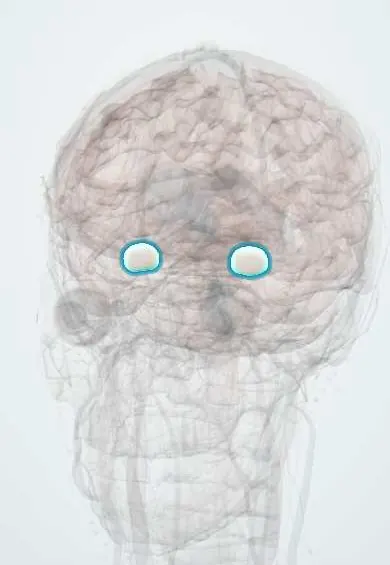
The loss is not integrated into memory and identity: reminders keep triggering the reward and attachment circuits, so the person keeps seeking the deceased. Imaging studies show activity in reward regions (such as the nucleus accumbens) and in emotional and pain networks (amygdala, anterior cingulate cortex, insula) when bereaved people see reminders. Avoidance of reminders and unhelpful beliefs about the loss maintain the grief.
Classification
- Adults: loss at least 12 months before (DSM-5-TR)
- Children and adolescents: loss at least 6 months before (DSM-5-TR)
- ICD-11: at least 6 months after the loss, exceeding cultural norms
Symptoms and signs
- Intense yearning for or preoccupation with the deceased, nearly every day
- Identity disruption, as if part of oneself had died
- Marked disbelief about the death
- Avoidance of reminders that the person is dead
- Intense emotional pain such as anger, bitterness or sorrow
- Difficulty re-engaging with friends, interests and plans
- Emotional numbness and intense loneliness
- Feeling that life is meaningless without the deceased
Diagnosis
- Clinical
- Clinical diagnosis from the history: a death at least 12 months before in adults (6 months in children), with yearning or preoccupation plus at least 3 of the typical symptoms nearly every day for the past month, causing distress or impairment, and exceeding social, cultural or religious norms. Validated questionnaires (for example the PG-13-R) support screening. Always screen for suicide risk, depression, PTSD and substance use.
- Tests
- No laboratory test diagnoses it. Basic tests (thyroid function, blood count) only when physical causes of fatigue or low mood are suspected.
- Imaging
- Not needed for diagnosis.
Differential diagnosis
- Normal grief (improves over time and does not impair function for so long)
- Major depressive disorder (pervasive low mood and worthlessness, not centred on the deceased)
- PTSD after a traumatic death (intrusive memories of the event, fear-based)
- Adjustment disorder
- Separation anxiety disorder
Goal of treatment
Help the person accept the reality of the loss, restore a meaningful life and relationships, and detect and treat suicide risk and coexisting disorders.
Treatment
- Conservative
- Grief-focused cognitive behavioural therapy (prolonged grief therapy): the first-line treatment, combining revisiting the loss, reducing avoidance and setting personal goals
- Conservative
- Psychoeducation, family involvement and bereavement support groups to reduce isolation
- Conservative
- Nursing care: active listening, respect for cultural and religious mourning rituals, and early bereavement support in palliative and intensive care settings
- Medical
- No medicine treats grief itself; antidepressants (SSRIs) are used when major depression coexists
- Follow-up
- Follow-up of suicide risk, sleep, alcohol use and physical health
Complications
- Suicidal ideation and suicide attempts
- Major depression and substance use disorders
- Sleep disturbance
- Cardiovascular events and poorer physical health
- Loss of work and social functioning
Prognosis
Without treatment it tends to be chronic. Grief-focused psychotherapy leads to clinically important improvement in many patients. Strong social support and treated comorbidity improve the outlook.
Prevention
- Family-centred communication and support before and around an expected death (palliative care)
- Allowing farewells and culturally meaningful rituals when possible
- Screening high-risk bereaved people, such as relatives of victims of violence
Test yourself
Think of the answer, then tap the question to see it.
How long after a death must grief persist in an adult before prolonged grief disorder can be diagnosed under DSM-5-TR?
At least 12 months (6 months in children and adolescents).
What core symptom distinguishes prolonged grief disorder from major depression?
Intense yearning for or preoccupation with the deceased; in depression the low mood is pervasive and not centred on the loss.
What is the first-line treatment for prolonged grief disorder?
Grief-focused cognitive behavioural psychotherapy.
Is briefly hearing or sensing the deceased's presence always a sign of psychosis in grief?
No; brief experiences of this kind are common in normal grief and are often culturally accepted.
Related conditions
- Major depressive disorder
- Post-traumatic stress disorder (PTSD) and acute stress disorder
- Adjustment disorder
- Persistent depressive disorder (dysthymia)
- Suicidal behaviour and suicide risk
- Alcohol use disorder
- Insomnia disorder
- Takotsubo (stress) cardiomyopathy
Educational information, not medical advice. For any symptom, see a health professional.
Sources: Prolonged Grief Disorder (American Psychiatric Association, 2024); Grief: MedlinePlus Medical Encyclopedia (MedlinePlus (U.S. National Library of Medicine), 2026).
Spotted a mistake?We are always improving for the community. Tell us what is wrong and our team will review it.Report a mistake
Representative model, for educational purposes only.