Persistent depressive disorder (dysthymia) !
A long-lasting depression, milder or as severe as major depression, present most days for at least 2 years in adults (1 year in children and adolescents).
Updated 2026-11-01
Structures involved
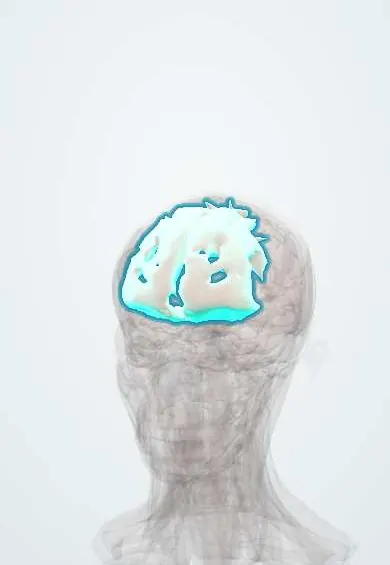
Tap one to see what it is and open it in 3D.
What it is
A chronic depressive disorder in which depressed mood is present on most days for at least 2 years in adults, or 1 year in children and adolescents (where mood may be irritable). It includes what was formerly called dysthymia and chronic major depression. The person may feel that low mood is simply part of their personality.
Who gets it
Lifetime prevalence is around 3–6% in general-population surveys and it is more common in women. It often begins in childhood, adolescence or early adulthood. It is frequently missed in primary care in Latin America because people consult for physical complaints, insomnia or fatigue rather than mood.
Causes
- Genetic vulnerability to depression
- Early adversity: childhood abuse, neglect or loss of a parent
- Chronic stress and long-term medical illness
- Personality traits such as high neuroticism
Risk factors
- Family history of depression
- Female sex
- Adverse childhood experiences
- Chronic physical illness or chronic pain
- Substance use disorders
- Anxiety disorders and personality disorders
Pathophysiology
Like other depressive disorders, it is thought to involve dysregulated serotonin, noradrenaline and dopamine signalling, an overactive stress axis and altered activity between prefrontal and limbic regions such as the anterior cingulate cortex and amygdala. Early-onset forms are linked to lasting effects of childhood stress on these circuits.
Classification
- Pure dysthymic syndrome: never meets full criteria for major depression during the 2 years
- With persistent major depressive episode: full criteria met throughout
- With intermittent major depressive episodes (so-called double depression when a major episode is superimposed on dysthymia)
- Early onset (before age 21) or late onset (21 or older)
Symptoms and signs
- Depressed mood most of the day, more days than not
- Poor appetite or overeating
- Insomnia or hypersomnia
- Low energy or fatigue
- Low self-esteem and poor concentration or difficulty making decisions
- Feelings of hopelessness
Diagnosis
- Clinical
- Depressed mood for at least 2 years in adults (1 year in young people) plus at least two of: appetite change, sleep change, low energy, low self-esteem, poor concentration or hopelessness, without symptom-free periods longer than 2 months. There must be no history of mania or hypomania. Screening with the PHQ-9 and suicide risk assessment are part of the evaluation.
- Tests
- No test confirms the diagnosis. Thyroid function, complete blood count, glucose and, where indicated, vitamin B12 to exclude medical causes of fatigue and low mood; review of medicines and substances.
- Imaging
- Not needed unless neurological signs or atypical features suggest another cause.
Differential diagnosis
- Major depressive disorder (episodic, shorter, more severe)
- Bipolar disorder or cyclothymic disorder
- Hypothyroidism and other medical causes
- Substance- or medicine-induced depressive disorder
- Personality disorders
Goal of treatment
Achieve full remission rather than partial improvement, restore daily functioning and prevent superimposed major depressive episodes and suicide.
Treatment
- Conservative
- Psychotherapy, especially cognitive behavioural therapy, interpersonal therapy or CBASP, which was designed for chronic depression.
- Medical
- Antidepressants (SSRIs first-line; SNRIs or other classes as alternatives) for an adequate period; the combination of medicine and psychotherapy works better than either alone.
- Lifestyle
- Regular physical activity, sleep routine, reducing alcohol and building social activity.
- Follow-up
- Follow-up of symptoms with rating scales, suicide risk review and attention to treatment adherence, since response is slower than in episodic depression.
Complications
- Superimposed major depression (double depression)
- Suicidal behaviour
- Substance use disorders
- Poor work, academic and social functioning
- Worse outcomes of chronic medical illness
Prognosis
It tends to be long-lasting, and many people are not treated because the low mood is seen as part of their character. With adequate treatment many improve, but relapse is common, and early onset and comorbid personality or substance use disorders predict a poorer course.
Test yourself
Think of the answer, then tap the question to see it.
What is the minimum duration of depressed mood required for persistent depressive disorder in adults?
At least 2 years (1 year in children and adolescents).
What is 'double depression'?
A major depressive episode superimposed on persistent depressive disorder.
What history excludes the diagnosis and suggests another disorder?
Any manic or hypomanic episode (bipolar disorder) or cyclothymic disorder.
Which treatment approach gives the best results?
The combination of psychotherapy and an antidepressant such as an SSRI.
Related conditions
- Major depressive disorder
- Bipolar disorder
- Suicidal behaviour and suicide risk
- Hypothyroidism
- Alcohol use disorder
- Personality disorders (clusters A, B and C)
- Generalized anxiety disorder
Educational information, not medical advice. For any symptom, see a health professional.
Sources: Persistent depressive disorder (MedlinePlus (U.S. National Library of Medicine), 2025).
Spotted a mistake?We are always improving for the community. Tell us what is wrong and our team will review it.Report a mistake
Representative model, for educational purposes only.