Adjustment disorder !
Emotional or behavioural symptoms out of proportion to a stressful event, starting within 3 months of it and usually settling within 6 months.
Updated 2026-11-01
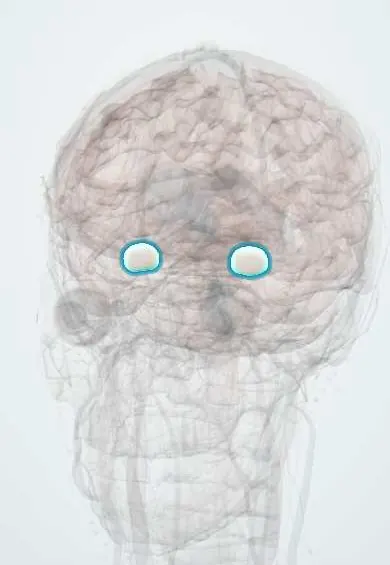
Structures involved
Tap one to see what it is and open it in 3D.
What it is
A stress-related disorder in which a person develops emotional or behavioural symptoms within 3 months of an identifiable stressor (such as divorce, job loss, illness or migration). The response causes marked distress or impaired functioning, does not meet criteria for another mental disorder and is not normal grief. Symptoms usually resolve within 6 months after the stressor or its consequences end.
Who gets it
It is one of the most frequent diagnoses in general hospitals, primary care and consultation-liaison psychiatry, and common among people facing serious illness. In Colombia and Latin America, forced displacement, armed conflict and migration are important stressors in which it appears.
Causes
- An identifiable stressor: relationship breakdown, job loss, financial problems, illness, moving or migration
- Multiple or ongoing stressors (chronic illness, displacement)
- Developmental events such as starting school, leaving home or retirement
Risk factors
- Limited social support
- Previous mental health problems or adverse childhood experiences
- Serious medical illness or hospitalisation
- Displacement, migration and exposure to violence
- Poor coping skills
Pathophysiology
It reflects a mismatch between the demands of a stressor and the person's coping resources. Activation of the stress response (the hypothalamic-pituitary-adrenal axis and amygdala) without adequate regulation by the prefrontal cortex leads to persistent anxiety, low mood or behavioural changes. It is classed among trauma- and stressor-related disorders.
Classification
- With depressed mood
- With anxiety
- With mixed anxiety and depressed mood
- With disturbance of conduct
- With mixed disturbance of emotions and conduct, or unspecified; acute (under 6 months) or persistent (chronic)
Symptoms and signs
- Sadness, tearfulness and hopelessness
- Worry, nervousness and feeling overwhelmed
- Trouble sleeping and concentrating
- Withdrawal from usual activities
- Conduct problems in adolescents: truancy, fighting, reckless behaviour
- Physical complaints such as headache or stomach ache
Diagnosis
- Clinical
- Symptoms begin within 3 months of a stressor, are out of proportion to it or impair functioning, do not meet criteria for another disorder and are not normal bereavement. Suicide risk must always be assessed.
- Tests
- No diagnostic test. Laboratory tests only to rule out medical causes when physical symptoms predominate.
- Imaging
- Not needed.
Differential diagnosis
- Major depressive disorder
- Post-traumatic stress disorder or acute stress disorder (stressor is a traumatic event)
- Normal grief and prolonged grief disorder
- Generalised anxiety disorder
- Psychological factors affecting a medical condition
Goal of treatment
Help the person adapt to or resolve the stressor, relieve symptoms, restore functioning and detect early progression to another disorder or suicide risk.
Treatment
- Conservative
- Brief psychotherapy is the main treatment: supportive counselling, problem-solving therapy or cognitive behavioural therapy focused on the stressor.
- Conservative
- Practical and social support: help with the stressor itself (social work, legal or financial help), family involvement and community resources.
- Medical
- Medicines are not first-line; a short course for prominent insomnia or anxiety, or an antidepressant if symptoms persist or progress to depression, may be considered.
- Follow-up
- Follow-up to check that symptoms are improving, review of suicide risk and alcohol use, and referral if a major disorder develops.
Complications
- Suicidal behaviour
- Progression to major depression or an anxiety disorder
- Substance misuse
- Problems at work, school or in relationships
Prognosis
Generally good: most adults recover within months, especially when the stressor resolves. Adolescents and people with persistent stressors are more likely to develop other disorders later.
Test yourself
Think of the answer, then tap the question to see it.
Within what time after a stressor must adjustment disorder symptoms begin?
Within 3 months.
How long do symptoms usually last after the stressor or its consequences end?
No longer than 6 months.
What is the first-line treatment?
Brief psychotherapy (supportive, problem-solving or cognitive behavioural).
If the stressor is a life-threatening trauma and symptoms include flashbacks, which diagnosis should be considered instead?
Acute stress disorder or post-traumatic stress disorder.
Related conditions
- Post-traumatic stress disorder (PTSD) and acute stress disorder
- Major depressive disorder
- Prolonged grief disorder
- Generalized anxiety disorder
- Suicidal behaviour and suicide risk
- Alcohol use disorder
- Insomnia disorder
Educational information, not medical advice. For any symptom, see a health professional.
Sources: Adjustment disorder (MedlinePlus (U.S. National Library of Medicine), 2025).
Spotted a mistake?We are always improving for the community. Tell us what is wrong and our team will review it.Report a mistake
Representative model, for educational purposes only.