Serotonin syndrome !
Serotonin syndrome is a drug reaction from too much serotonin, often when two serotonergic medicines are combined. It starts fast and can be life-threatening.
Updated 2026-11-01
Structures involved
Tap one to see what it is and open it in 3D.
Why it happens
- Drugs of abuse: cocaine, opioids, amphetamines, cannabis
- The main neurotransmitters
- Body temperature regulation
- Serotonin and melatonin synthesis
What it is
A potentially life-threatening drug reaction caused by excess serotonin activity in the central and peripheral nervous system. It produces a triad of mental status changes, autonomic hyperactivity and neuromuscular hyperactivity (clonus, hyperreflexia), usually within 24 hours of starting, increasing or combining serotonergic drugs.
Who gets it
Its frequency is rising with the wide use of antidepressants. Mild cases are often missed. It occurs at any age, including after intentional overdose of serotonergic drugs; severe cases mostly involve monoamine oxidase inhibitors combined with another serotonergic agent.
Causes
- Antidepressants: SSRIs, SNRIs, MAO inhibitors, tricyclics
- Opioids with serotonergic action (tramadol, meperidine, fentanyl, methadone)
- Triptans, linezolid, ondansetron, dextromethorphan, lithium and St John's wort
- Recreational drugs: MDMA (ecstasy), cocaine, amphetamines
Risk factors
- Combining two or more serotonergic drugs, especially with an MAO inhibitor
- Switching antidepressants without an adequate washout period
- Recent dose increase or overdose
- Drug interactions that slow serotonergic drug metabolism
Pathophysiology
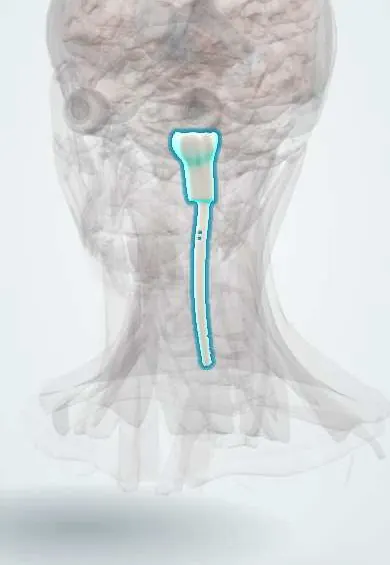
Serotonin neurons arise in the brainstem raphe nuclei (midbrain, pons and medulla) and project to the cortex, hypothalamus and spinal cord. Excess stimulation, mainly of 5-HT2A and 5-HT1A receptors, causes agitation, autonomic overdrive, heat production and neuromuscular hyperexcitability that is most marked in the legs. Severe muscle activity drives hyperthermia, rhabdomyolysis and acidosis.
Classification
- Mild: tremor, tachycardia, sweating, dilated pupils, mild hyperreflexia
- Moderate: inducible or ocular clonus, fever, agitation, hyperactive bowel sounds
- Severe: temperature above 41 °C, rigidity, shock, delirium
Symptoms and signs
- Agitation, anxiety, restlessness and confusion
- Tachycardia, hypertension, fever, heavy sweating and dilated pupils
- Inducible or spontaneous clonus (ankle, ocular), hyperreflexia and tremor, more in the lower limbs
- Diarrhoea, hyperactive bowel sounds, shivering
- Rapid onset, usually within hours
Diagnosis
- Clinical
- Clinical diagnosis based on exposure to a serotonergic drug plus typical findings. The Hunter criteria require one of: spontaneous clonus; inducible clonus with agitation or sweating; ocular clonus with agitation or sweating; tremor with hyperreflexia; or hypertonia with temperature above 38 °C and ocular or inducible clonus.
- Tests
- No test confirms it; serotonin levels are not useful. Electrolytes, kidney function, CK, blood gases and coagulation to detect complications; ECG; toxicology screen and other studies to exclude infection.
- Imaging
- Not needed for diagnosis; brain imaging only to exclude other causes when the picture is atypical.
Differential diagnosis
- Neuroleptic malignant syndrome (slow onset, lead-pipe rigidity, normal or reduced reflexes)
- Anticholinergic toxicity (dry hot skin, absent bowel sounds, normal reflexes)
- Malignant hyperthermia
- Sympathomimetic intoxication or alcohol and sedative withdrawal
- Meningitis, encephalitis, sepsis and thyroid storm
Goal of treatment
Stop all serotonergic drugs, control agitation and temperature, and support vital functions; most cases resolve within 24–72 hours once the drugs are stopped.
Treatment
- Acute
- Discontinue every serotonergic agent; intravenous fluids, oxygen, cardiac monitoring and external cooling. Severe hyperthermia needs ICU care with sedation, paralysis with a non-depolarising agent and intubation; antipyretics do not help because the heat comes from muscle activity.
- Medical
- Benzodiazepines for agitation, tremor and muscle activity; cyproheptadine, a serotonin (5-HT2A) antagonist, in moderate cases. Physical restraints are avoided because they worsen muscle activity and hyperthermia.
- Follow-up
- Nursing: temperature, heart rate and blood pressure, level of consciousness, clonus, urine output and colour; medication reconciliation to identify every serotonergic drug.
Complications
- Rhabdomyolysis and acute kidney injury
- Metabolic acidosis
- Disseminated intravascular coagulation
- Seizures, respiratory failure and death
Prognosis
Good with early recognition: most cases improve within a day of stopping the drugs. Drugs with long half-lives or irreversible MAO inhibition can prolong the course; severe hyperthermia carries a real risk of death.
Prevention
- Checking for interactions before combining serotonergic drugs (including opioids, antiemetics and linezolid)
- Adequate washout when switching to or from an MAO inhibitor
- Teaching patients about warning symptoms and herbal products
Test yourself
Think of the answer, then tap the question to see it.
What is the classic clinical triad of serotonin syndrome?
Altered mental status, autonomic hyperactivity and neuromuscular abnormalities (clonus, hyperreflexia).
Which neuromuscular sign is most specific for serotonin syndrome?
Clonus (inducible, spontaneous or ocular), most marked in the lower limbs.
Which serotonin antagonist is used in moderate serotonin syndrome?
Cyproheptadine, alongside stopping the drugs, benzodiazepines and supportive care.
Which commonly used analgesic can trigger serotonin syndrome when combined with an SSRI?
Tramadol (also meperidine, fentanyl and methadone).
Why are antipyretics not effective for the fever of serotonin syndrome?
Because the heat comes from muscle hyperactivity, not from a change in the hypothalamic set point.
Related conditions
- Neuroleptic malignant syndrome
- Obsessive-compulsive disorder (OCD)
- Acute kidney injury
- Carcinoid syndrome
- Sepsis and septic shock
Educational information, not medical advice. For any symptom, see a health professional.
Sources: Serotonin syndrome (MedlinePlus, US National Library of Medicine, 2026).
Spotted a mistake?We are always improving for the community. Tell us what is wrong and our team will review it.Report a mistake
Representative model, for educational purposes only.