Conditions · Metabolism: fatty acids and ketones
X-linked adrenoleukodystrophy !
A genetic disorder that builds up very-long-chain fats in the brain and adrenal glands; it mainly affects males.
Updated 2026-11-01
Structures involved
Tap one to see what it is and open it in 3D.
In biochemistry
What it is
An X-linked peroxisomal disorder caused by variants in ABCD1, which encodes the ALDP transporter. Very-long-chain fatty acids cannot enter the peroxisome, build up and damage myelin, the adrenal cortex and the testes.
Who gets it
About 1 in 15,000 people worldwide, with a similar frequency in all populations. It is the most common peroxisomal disorder.
Causes
- Variants in ABCD1 (X chromosome)
- Hemizygous males are affected; many carrier women develop mild symptoms in adulthood
Risk factors
- Carrier mother or affected male relatives
- Male sex
Pathophysiology
ALDP (ABCD1) imports very-long-chain acyl-CoAs (C24, C26) into the peroxisome for β-oxidation. Without it they build up in membranes, especially in myelin and the adrenal cortex. In the cerebral form a fast-spreading inflammatory demyelination is triggered; in adrenomyeloneuropathy the long axons of the spinal cord degenerate slowly. The adrenal cortex stops making cortisol (adrenal insufficiency).
Classification
- Childhood cerebral form (4–10 years): rapid inflammatory demyelination
- Adrenomyeloneuropathy (adults): progressive spastic paraparesis
- Isolated adrenal insufficiency
- Symptomatic carrier women (mild myelopathy in adulthood)
Symptoms and signs
- Attention or school problems in a previously healthy boy
- Loss of vision and hearing
- Clumsiness and gait disturbance
- Leg stiffness and weakness in adults
- Tiredness, darker skin and dizziness from adrenal insufficiency
Diagnosis
- Clinical
- Suspected with cognitive or behavioural decline in a boy, primary adrenal insufficiency in a young male, or spastic paraparesis in an adult.
- Tests
- Raised plasma very-long-chain fatty acids (C26:0, C24/C22, C26/C22); ABCD1 testing; cortisol and ACTH; on newborn screening, C26:0 lysophosphatidylcholine.
- Imaging
- Brain MRI with parieto-occipital white matter lesions and splenium of the corpus callosum involvement, with contrast enhancement in the active form (Loes score).
Treatment
- Procedure
- Haematopoietic stem cell transplant (or gene therapy) in the early cerebral form
- Medical
- Glucocorticoid replacement for adrenal insufficiency
- Follow-up
- Regular MRI surveillance in symptom-free boys to catch the cerebral form in time
- Rehabilitation
- Rehabilitation and spasticity management in adrenomyeloneuropathy
Complications
- Severe neurological disability and vegetative state in the cerebral form
- Adrenal crisis
- Paraparesis and incontinence
Prognosis
Untreated, the cerebral form progresses to severe disability within a few years; early transplant can halt it. Adrenomyeloneuropathy progresses slowly.
Prevention
- Newborn screening where available, testing of relatives and genetic counselling of carriers.
Test yourself
Think of the answer, then tap the question to see it.
Which gene and protein fail in X-linked adrenoleukodystrophy?
ABCD1, which encodes ALDP, the peroxisomal transporter of very-long-chain acyl-CoAs.
Which endocrine gland is typically affected?
The adrenal cortex: primary adrenal insufficiency.
Which treatment can halt the early cerebral form?
Haematopoietic stem cell transplant (or gene therapy) before the damage advances.
Related conditions
Educational information, not medical advice. For any symptom, see a health professional.
Sources: X-linked adrenoleukodystrophy: MedlinePlus Genetics (MedlinePlus, US National Library of Medicine, 2026); ABCD1 gene: MedlinePlus Genetics (MedlinePlus, US National Library of Medicine, 2026); Beta-oxidation of very long chain fatty acids (Reactome, 2026).
Spotted a mistake?We are always improving for the community. Tell us what is wrong and our team will review it.Report a mistake
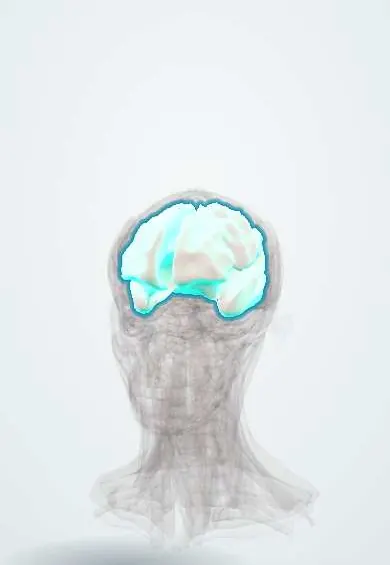
Representative model, for educational purposes only.