Conditions · Metabolism: heme, bilirubin and iron
Acute intermittent porphyria !
An inherited liver disorder that causes attacks of severe abdominal pain, weakness and confusion when something drives heme synthesis.
Updated 2026-11-01
Structures involved
Tap one to see what it is and open it in 3D.
In biochemistry
- Heme synthesis: Step 3 · Porphobilinogen deaminase (hydroxymethylbilane synthase)
- ALA synthase
- ALA dehydratase
- Porphobilinogen deaminase
- Heme
- Porphobilinogen
- δ-Aminolevulinic acid (ALA)
What it is
Acute hepatic porphyria caused by partial (about 50 %) deficiency of porphobilinogen deaminase (HMBS gene). It is the most common acute porphyria.
Who gets it
Carriers of an HMBS variant are relatively common, but few ever have attacks; these occur mostly in women aged 15 to 45. In Colombia and Latin America it is rare and often diagnosed late, after repeated visits for abdominal pain.
Causes
- Autosomal dominant inheritance with low penetrance
- An attack needs a trigger that induces liver ALAS1
Risk factors
- Porphyrinogenic drugs (barbiturates, some anticonvulsants, sulfonamides)
- Fasting, very low-calorie diets
- Luteal phase of the menstrual cycle, progestins
- Alcohol, smoking, infection, surgery and stress
Pathophysiology
With half the enzyme the pathway copes at rest. When a trigger induces ALAS1, porphobilinogen deaminase becomes a bottleneck: ALA and porphobilinogen build up and injure the autonomic, peripheral and central nervous system. Because the block lies before porphyrins form, there is no photosensitivity.
Classification
- Latent carrier (no attacks)
- Sporadic attacks
- Recurrent attacks (4 or more a year)
Symptoms and signs
- Severe, diffuse abdominal pain with a near-normal abdominal exam
- Nausea, vomiting and constipation
- Tachycardia and hypertension
- Reddish or dark urine that darkens further on standing
- Mainly proximal muscle weakness and limb pain
- Anxiety, insomnia, confusion or hallucinations
Diagnosis
- Clinical
- Unexplained abdominal pain with autonomic, neurological or psychiatric signs in a young woman, especially after a new drug or fasting.
- Tests
- Porphobilinogen and ALA in a spot urine (markedly high in an attack), adjusted for creatinine; serum sodium (hyponatremia is common); red-cell PBG deaminase activity and HMBS gene testing to confirm and screen relatives.
- Imaging
- There are no typical findings; abdominal CT or ultrasound rules out other causes of acute abdomen, and brain MRI looks for posterior reversible encephalopathy if there are seizures.
Treatment
- Acute
- Hospital admission, removal of triggering drugs and factors, and pain control with porphyria-safe analgesics
- Medical
- Intravenous hemin, which represses ALAS1 and shortens the attack
- Medical
- Glucose (carbohydrate) loading for a mild attack or while hemin is awaited
- Medical
- Givosiran, an interfering RNA that silences ALAS1, for recurrent attacks
- Surgical
- Liver transplantation in severe cases that do not respond
- Follow-up
- Monitoring of kidney function and periodic liver ultrasound for hepatocellular carcinoma risk
Complications
- Respiratory paralysis
- Chronic neuropathy
- Hypertension and chronic kidney disease
- Hepatocellular carcinoma
Prognosis
With early diagnosis and hemin most patients recover fully; severe weakness may take months to improve.
Prevention
- Checking porphyria drug-safety lists
- Avoiding prolonged fasting and alcohol
- Genetic testing of relatives
Test yourself
Think of the answer, then tap the question to see it.
Which enzyme fails in acute intermittent porphyria?
Porphobilinogen deaminase (hydroxymethylbilane synthase), HMBS gene.
Why does acute intermittent porphyria not cause skin lesions?
The block is before porphyrins form: ALA and porphobilinogen build up, and they are not photosensitising.
Which first-line test is ordered when an attack is suspected?
Porphobilinogen in a spot urine; it is markedly raised during an attack.
How does hemin work in an attack?
It restores liver heme, which represses ALAS1 and lowers ALA and porphobilinogen production.
Related conditions
Educational information, not medical advice. For any symptom, see a health professional.
Sources: Porphyria: MedlinePlus Genetics (MedlinePlus, US National Library of Medicine, 2026); HMBS gene: MedlinePlus Genetics (MedlinePlus, US National Library of Medicine, 2026); Porphyria: MedlinePlus Medical Encyclopedia (MedlinePlus, US National Library of Medicine, 2026); Porphyrins urine test: MedlinePlus Medical Encyclopedia (MedlinePlus, US National Library of Medicine, 2026).
Spotted a mistake?We are always improving for the community. Tell us what is wrong and our team will review it.Report a mistake
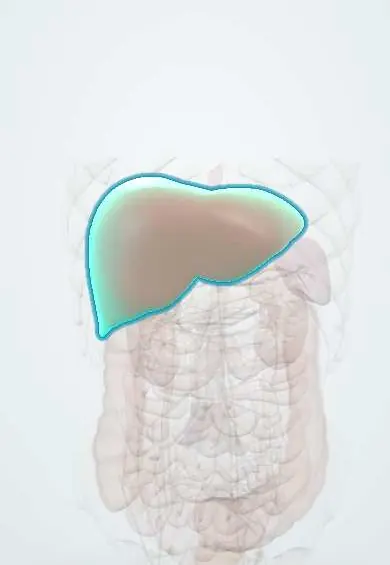
Representative model, for educational purposes only.