Conditions · Metabolism: heme, bilirubin and iron
Lead poisoning !
Lead exposure that harms children's brains, nerves, kidneys and blood; there is no safe level of lead.
Updated 2026-11-01
Structures involved
Tap one to see what it is and open it in 3D.
In biochemistry
- Heme synthesis: Step 2 · ALA dehydratase (porphobilinogen synthase)
- ALA dehydratase
- Ferrochelatase
- Protoporphyrin IX
- Porphobilinogen
- δ-Aminolevulinic acid (ALA)
Why it happens
What it is
Acute or chronic poisoning with inorganic lead, which inhibits sulfhydryl enzymes, including ALA dehydratase and ferrochelatase of heme synthesis.
Who gets it
WHO attributes millions of deaths a year to lead, mostly cardiovascular, and much of the preventable intellectual disability in children. In Colombia and Latin America important sources are informal battery recycling, mining, old paint and lead-glazed pottery.
Causes
- Inhaling lead dust or fumes (smelters, batteries)
- Ingesting flaking paint, contaminated soil or food from glazed pottery
- Retained bullets near joints
Risk factors
- Young children (hand-to-mouth behaviour, higher absorption)
- Work in battery recycling, welding, painting or mining
- Pregnancy (bone lead is mobilised)
- Iron and calcium deficiency
Pathophysiology
Lead binds sulfhydryl groups and displaces zinc and calcium. It inhibits ALA dehydratase (ALA, a neurotoxin, rises) and ferrochelatase (zinc protoporphyrin forms), causing microcytic anemia. It inhibits pyrimidine 5'-nucleotidase (basophilic stippling), damages the renal tubule and disturbs brain synapses and development. About 90 % of adult body lead is stored in bone.
Symptoms and signs
- In children: developmental delay, learning and behaviour problems, irritability
- Colicky abdominal pain and constipation (lead colic)
- Wrist extensor weakness (wrist drop)
- Fatigue and pallor from anemia
- Blue-grey line along the gum margin (Burton line)
- Headache, joint pain, hypertension
Diagnosis
- Clinical
- Occupational, household or environmental exposure with digestive or neurological symptoms or anemia; in children, screening in high-risk areas.
- Tests
- Venous blood lead (the reference test); raised red-cell zinc protoporphyrin; blood count with microcytic anemia and basophilic stippling; high urine ALA with normal porphobilinogen; kidney function.
- Imaging
- Knee X-ray in children (dense metaphyseal lines) and abdominal X-ray to look for swallowed paint chips.
Treatment
- Conservative
- Identifying and removing the source of exposure; the most important measure
- Medical
- Chelation (oral succimer, calcium disodium edetate, dimercaprol) according to lead level and symptoms
- Acute
- Encephalopathy: intensive care, control of seizures and raised intracranial pressure, and parenteral chelation
- Medical
- Correcting iron and calcium deficiencies, which increase lead absorption
- Surgical
- Removal of lead bullets near joints when they cause poisoning
Drugs for this condition
Complications
- Permanent cognitive impairment in children
- Chronic nephropathy and hypertension
- Lead (saturnine) gout
- Miscarriage and premature birth
Prevention
- Removing lead from paint, petrol and pottery
- Regulating battery recycling and occupational protection
- Screening exposed children and pregnant women
Test yourself
Think of the answer, then tap the question to see it.
Which two heme-synthesis enzymes does lead inhibit?
ALA dehydratase and ferrochelatase.
Which blood-smear finding is typical of lead poisoning?
Basophilic stippling, from inhibition of pyrimidine 5'-nucleotidase (leftover RNA).
Which test confirms lead poisoning?
Venous blood lead level.
Where is most lead stored in an adult?
In bone (about 90 %), from which it is released in pregnancy or osteoporosis.
Related conditions
Educational information, not medical advice. For any symptom, see a health professional.
Sources: Lead poisoning (World Health Organization, 2026); Lead poisoning: MedlinePlus Medical Encyclopedia (MedlinePlus, US National Library of Medicine, 2026); ALAD gene: MedlinePlus Genetics (MedlinePlus, US National Library of Medicine, 2026); Textbook of Biochemistry for Medical Students, 6th ed. (Jaypee Brothers Medical Publishers (Vasudevan DM, Sreekumari S, Vaidyanathan K), 2011).
Spotted a mistake?We are always improving for the community. Tell us what is wrong and our team will review it.Report a mistake
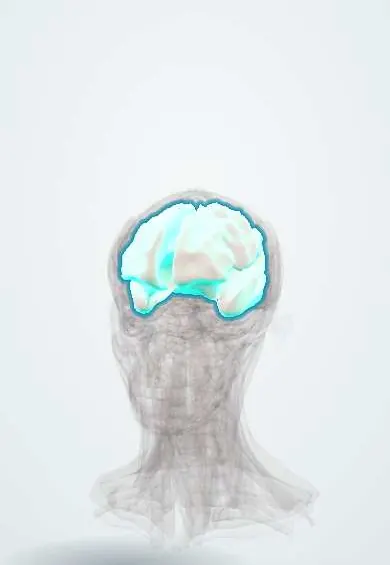
Representative model, for educational purposes only.