Conditions · Hematology and oncology
Autoimmune haemolytic anaemia !
The immune system makes antibodies against the body's own red cells, which are destroyed early, mainly in the spleen, causing anaemia and jaundice.
Updated 2026-11-01
Structures involved
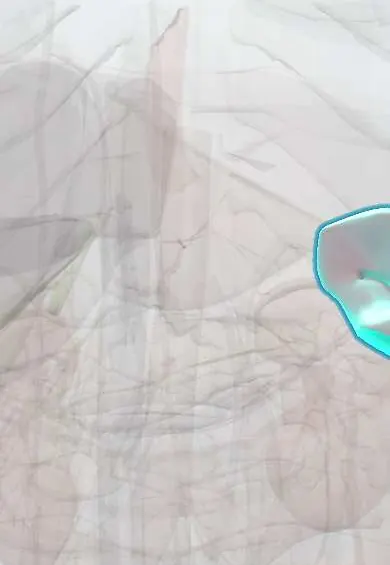
Tap one to see what it is and open it in 3D.
In the clinical exam
Why it happens
- The red cell life cycle and the spleen
- Anemia physiology and compensation
- Heme breakdown and bilirubin
- Lymph node and spleen under the microscope
What it is
An acquired anaemia in which autoantibodies coat red blood cells and shorten their life. In the warm type (most cases), IgG antibodies bind at body temperature and the spleen removes the coated cells; in the cold agglutinin type, IgM antibodies bind in cool parts of the body, fix complement and cause destruction mainly in the liver and inside vessels. Drugs can trigger a similar immune haemolysis.
Who gets it
Uncommon, with roughly one to three new cases per 100,000 people a year; warm AIHA is the most frequent form and can occur at any age, while cold agglutinin disease mainly affects older adults. In Latin America, as elsewhere, about half of warm cases are secondary to another illness, especially systemic lupus erythematosus and lymphoid cancers.
Causes
- Primary (idiopathic): no underlying disease is found
- Secondary warm type: systemic lupus erythematosus, chronic lymphocytic leukaemia and lymphomas, immunodeficiency
- Secondary cold type: Mycoplasma pneumoniae and Epstein-Barr virus infection, lymphoproliferative disorders
- Drug-induced: some antibiotics (e.g. cephalosporins, penicillins), methyldopa and other medicines
Risk factors
- Autoimmune diseases, especially systemic lupus erythematosus
- Chronic lymphocytic leukaemia and other lymphoid cancers
- Recent infection (Mycoplasma, infectious mononucleosis)
- Exposure to drugs known to cause immune haemolysis
- Previous transfusions or transplantation
Pathophysiology
In warm AIHA, IgG-coated red cells are partly eaten by splenic macrophages; the leftover membrane closes into spherocytes, which are then trapped and destroyed (extravascular haemolysis). In cold agglutinin disease, IgM binds in the cooler skin and extremities, causes red cells to clump and activates complement; C3-coated cells are removed by the liver and, when complement completes its action, cells burst inside vessels (intravascular haemolysis). The marrow responds with reticulocytosis, and haemoglobin breakdown raises unconjugated bilirubin and LDH.
Classification
- Warm AIHA: IgG, reacts at 37 °C, direct antiglobulin test positive for IgG with or without C3; spherocytes, splenic destruction
- Cold agglutinin disease or syndrome: IgM, reacts below body temperature, direct antiglobulin test positive for C3; agglutination, acrocyanosis
- Mixed type and paroxysmal cold haemoglobinuria (rare, children after viral infection)
- Drug-induced immune haemolytic anaemia
Symptoms and signs
- Fatigue, pallor, breathlessness and fast heartbeat
- Jaundice of the skin and eyes
- Dark urine (more typical of intravascular haemolysis)
- Moderately enlarged spleen in warm AIHA
- In cold type: bluish, painful fingers, ears or nose on cold exposure (acrocyanosis)
Diagnosis
- Clinical
- Anaemia with jaundice and signs of haemolysis; ask about drugs, recent infection, autoimmune disease and cold-related symptoms, and examine for spleen, liver and lymph node enlargement.
- Tests
- Complete blood count with reticulocytes; haemolysis markers (high LDH and unconjugated bilirubin, low haptoglobin); peripheral smear (spherocytes in warm type, agglutination in cold type). The key test is the direct antiglobulin (Coombs) test, which shows IgG and/or complement on the red cells. Cold agglutinin titre, urinalysis for haemoglobin, and work-up for the cause (antinuclear antibodies, HIV and hepatitis serology, blood film and flow cytometry for lymphoma).
- Imaging
- Abdominal ultrasound or CT for spleen size, lymph nodes and gallstones when lymphoma or another secondary cause is suspected.
Differential diagnosis
- Hereditary spherocytosis (Coombs negative, family history)
- G6PD deficiency
- Thrombotic microangiopathies (TTP, haemolytic uraemic syndrome) with schistocytes
- Paroxysmal nocturnal haemoglobinuria
- Delayed haemolytic transfusion reaction
- Megaloblastic anaemia with ineffective erythropoiesis
Goal of treatment
Stop the immune destruction, support oxygen delivery, treat or remove any trigger, and limit treatment side effects.
Treatment
- Medical
- Warm AIHA: corticosteroids are first-line; rituximab (an anti-CD20 monoclonal antibody) is added for refractory or relapsing disease, with other immunosuppressants as later options.
- Medical
- Cold agglutinin disease: keep warm and avoid cold exposure; corticosteroids work poorly, so rituximab-based therapy or complement inhibitors are used for symptomatic disease.
- Acute
- Stop any suspected drug; transfuse red cells when anaemia is life-threatening, despite difficult crossmatching (warmed blood in cold type); give folic acid during active haemolysis.
- Surgical
- Splenectomy is a second-line option in warm AIHA that does not respond to medical treatment; it does not help cold agglutinin disease.
- Follow-up
- Nursing priorities: monitor haemoglobin, vital signs and urine colour, watch for transfusion reactions, infection on immunosuppression, blood sugar on steroids, and thrombosis, which is more common during active haemolysis.
Complications
- Severe anaemia with heart failure or myocardial ischaemia
- Venous thromboembolism
- Pigment gallstones
- Infections from immunosuppression or after splenectomy
- Acute kidney injury in intravascular haemolysis
Prognosis
Most warm AIHA responds to steroids, but relapse is common and some patients need long-term treatment. Secondary forms follow the course of the underlying disease. Cold agglutinin disease tends to be chronic, with flares in cold weather or during infections.
Test yourself
Think of the answer, then tap the question to see it.
Which test confirms that haemolysis is immune-mediated?
The direct antiglobulin (Coombs) test, positive for IgG and/or complement on the red cells.
Which antibody class causes warm AIHA, and where are the cells destroyed?
IgG; coated cells are removed mainly by macrophages in the spleen (extravascular haemolysis).
Which infection classically triggers cold agglutinin haemolysis?
Mycoplasma pneumoniae (and also infectious mononucleosis caused by Epstein-Barr virus).
What is the first-line treatment for warm AIHA?
Corticosteroids, with rituximab for refractory or relapsing disease.
Which laboratory pattern indicates haemolysis?
High reticulocytes, LDH and unconjugated bilirubin with a low haptoglobin.
Related conditions
- Hereditary spherocytosis
- Systemic lupus erythematosus
- Chronic lymphocytic leukaemia
- Infectious mononucleosis
- Transfusion reactions
- Paroxysmal nocturnal haemoglobinuria
- Thrombotic thrombocytopenic purpura
- Gallstones (cholelithiasis)
Educational information, not medical advice. For any symptom, see a health professional.
Sources: Immune hemolytic anemia (MedlinePlus (U.S. National Library of Medicine), 2026); Hemolytic anemia (MedlinePlus (U.S. National Library of Medicine), 2026).
Spotted a mistake?We are always improving for the community. Tell us what is wrong and our team will review it.Report a mistake
Representative model, for educational purposes only.