Conditions · Infectious and tropical diseases
Infectious mononucleosis !
Mononucleosis is usually caused by the Epstein-Barr virus. It brings fever, sore throat, swollen neck glands, tiredness and an enlarged spleen.
Updated 2026-11-01
Structures involved
Tap one to see what it is and open it in 3D.
In biochemistry
Microorganisms that cause it
In the clinical exam
Why it happens
- Oncogenic viruses and H. pylori: the table to know
- Innate and adaptive immunity: overview
- Blood cells on a smear: erythrocytes, leukocytes, platelets
- Lymph node and spleen under the microscope
What it is
A clinical syndrome of fever, pharyngitis and lymphadenopathy with atypical lymphocytes, usually caused by primary Epstein-Barr virus (EBV) infection in adolescents and young adults.
Who gets it
EBV infects most people worldwide. In Latin America and other settings with crowding, infection usually happens in early childhood and is mild or silent; the classic syndrome appears when the first infection occurs in adolescence or early adulthood, which is more common in higher-income groups.
Causes
- Epstein-Barr virus (human herpesvirus 4) in about 90% of cases
- Less often cytomegalovirus, acute HIV, Toxoplasma or human herpesvirus 6 (mononucleosis-like syndrome)
- Spread mainly through saliva («kissing disease»), also shared utensils; rarely transfusion or transplant
Risk factors
- Age 15 to 24 years with no previous infection
- Close contact with saliva: kissing, sharing cups or utensils
- Living in dormitories or crowded settings
Pathophysiology
EBV infects oropharyngeal epithelium and then B lymphocytes through the CD21 receptor, causing their proliferation. Cytotoxic CD8 T cells expand to control infected B cells; these reactive T cells are the atypical lymphocytes seen on the smear and cause the swelling of tonsils, lymph nodes, liver and spleen. The virus then remains latent in memory B cells for life and is linked to some lymphomas and nasopharyngeal carcinoma.
Symptoms and signs
- Triad: fever, exudative pharyngitis and lymphadenopathy, especially posterior cervical nodes
- Marked fatigue that may last weeks
- Splenomegaly (about half of cases) and sometimes hepatomegaly with mild hepatitis
- Palatal petechiae and eyelid oedema
- Maculopapular rash, very frequent after amoxicillin or ampicillin
Diagnosis
- Clinical
- Fever, pharyngitis and posterior cervical lymphadenopathy in an adolescent or young adult, with palpable spleen or palatal petechiae.
- Tests
- Lymphocytosis with more than 10% atypical lymphocytes; mildly raised transaminases. Heterophile antibody test (Monospot), which can be negative early and in young children. EBV-specific antibodies: VCA IgM indicates acute infection; EBNA antibodies appear later.
- Imaging
- Not routine. Abdominal ultrasound to measure the spleen or when splenic rupture is suspected; CT in an unstable patient after trauma.
Differential diagnosis
- Streptococcal pharyngitis
- Cytomegalovirus infection
- Acute HIV infection
- Toxoplasmosis
- Acute leukaemia or lymphoma
Goal of treatment
Relieve symptoms while the infection resolves on its own, and prevent and detect complications, especially splenic rupture and airway obstruction.
Treatment
- Conservative
- Rest according to tolerance, hydration, analgesics and antipyretics such as paracetamol or NSAIDs, and saltwater gargles.
- Lifestyle
- Contact sports and heavy lifting are avoided for at least about 3 to 4 weeks, or until the spleen is no longer enlarged.
- Medical
- Corticosteroids only for complications such as threatened airway obstruction, severe haemolytic anaemia or thrombocytopenia; antivirals offer little benefit and antibiotics are not indicated.
- Surgical
- Emergency splenectomy or splenic preservation surgery when there is splenic rupture with haemodynamic instability.
Complications
- Splenic rupture, rare but potentially fatal, mostly in the first weeks
- Upper airway obstruction from tonsillar hypertrophy
- Autoimmune haemolytic anaemia and thrombocytopenia
- Hepatitis, encephalitis, Guillain-Barré syndrome and myocarditis
- Long-term EBV associations: Burkitt and Hodgkin lymphoma, nasopharyngeal carcinoma, post-transplant lymphoproliferative disorder
Prognosis
Excellent in most cases: fever and sore throat settle in about two weeks, although fatigue may last months. Serious complications are uncommon.
Prevention
- No vaccine is available
- Not sharing cups, utensils or kisses with someone who is ill
Test yourself
Think of the answer, then tap the question to see it.
Through which receptor does EBV infect B lymphocytes?
CD21, the receptor for complement fragment C3d.
What are the atypical lymphocytes in mononucleosis?
Reactive cytotoxic CD8 T cells responding to EBV-infected B cells.
What happens if a patient with mononucleosis is given amoxicillin?
A diffuse maculopapular rash appears in a high proportion of patients; it is not a true penicillin allergy.
What is the most feared acute complication and how is it prevented?
Splenic rupture; patients avoid contact sports and heavy exertion until the spleen returns to normal size.
Which test detects heterophile antibodies?
The Monospot test (Paul-Bunnell heterophile antibody test).
Related conditions
- Streptococcal pharyngitis
- Splenic injury
- Cytomegalovirus infection
- HIV infection and AIDS
- Toxoplasmosis
- Hodgkin lymphoma
- Non-Hodgkin lymphoma
- Nasopharyngeal carcinoma
- Autoimmune haemolytic anaemia
- Guillain-Barré syndrome
Educational information, not medical advice. For any symptom, see a health professional.
Sources: Mononucleosis: MedlinePlus Medical Encyclopedia (MedlinePlus (U.S. National Library of Medicine), 2024).
Spotted a mistake?We are always improving for the community. Tell us what is wrong and our team will review it.Report a mistake
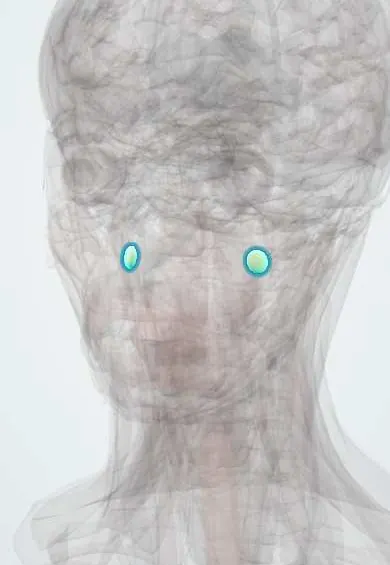
Representative model, for educational purposes only.