Conditions · Infectious and tropical diseases
Babesiosis !
A tick-borne parasite that lives inside red blood cells, like malaria; it can be severe in people without a spleen or with weak immunity.
Updated 2026-11-01
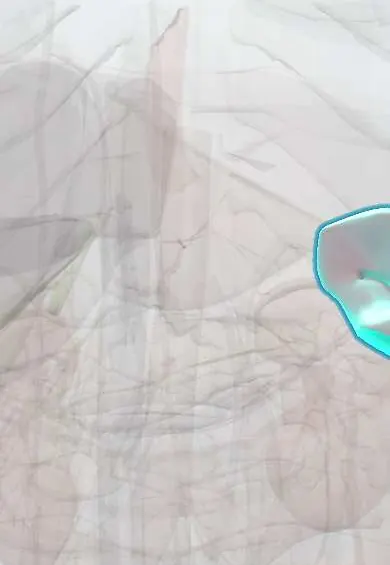
Structures involved
Tap one to see what it is and open it in 3D.
Microorganisms that cause it
Why it happens
- The red cell life cycle and the spleen
- Anemia physiology and compensation
- Blood cells on a smear: erythrocytes, leukocytes, platelets
- Lymph node and spleen under the microscope
What it is
Infection of red blood cells by Babesia protozoa, usually spread by ticks and less often by blood transfusion or from mother to baby. Most healthy people have mild or no symptoms, but asplenic, elderly or immunosuppressed patients can develop severe haemolytic anaemia and organ failure. It resembles malaria on the blood smear.
Who gets it
Most reported human cases occur in the northeastern and upper midwestern United States (Babesia microti), with smaller numbers in Europe (B. divergens) and Asia. In cattle, Babesia bovis and B. bigemina are common in tropical Latin America, including Colombia, but human cases in the region are rarely reported; it matters for travellers and as a transfusion risk.
Causes
- Babesia microti (most cases), B. duncani, B. divergens and B. venatorum
- Vector: hard ticks, in the United States the blacklegged (deer) tick Ixodes scapularis
- Reservoirs: rodents such as the white-footed mouse, and cattle for B. divergens
- Blood transfusion and congenital transmission
Risk factors
- Absent or non-functioning spleen
- Immunosuppression: HIV, cancer, rituximab, transplantation
- Age over 50 and chronic liver or kidney disease
- Outdoor activity in endemic areas in summer, and recent blood transfusion
Pathophysiology
Parasites injected by the tick enter red blood cells directly (without a liver stage, unlike malaria) and multiply by budding, producing ring forms and tetrads. Infected cells rupture, causing intravascular haemolysis, and become rigid and sticky, obstructing small vessels. The spleen normally removes infected cells, so asplenia allows very high parasitaemia. Cytokine release explains fever and can lead to lung injury, kidney failure and disseminated intravascular coagulation.
Classification
- Asymptomatic infection
- Mild to moderate flu-like illness
- Severe babesiosis (high parasitaemia, organ dysfunction), mostly in asplenic or immunosuppressed patients
- Persistent or relapsing infection in highly immunosuppressed patients
Symptoms and signs
- Gradual fatigue and malaise followed by fever, chills and sweats, one to four weeks after the bite
- Headache, muscle aches, loss of appetite and nausea
- Dark urine and jaundice from haemolysis
- Enlarged spleen and liver
- Breathlessness in severe disease
Diagnosis
- Clinical
- Suspected in fever with haemolysis in someone with tick exposure, travel to an endemic area or a recent transfusion; ask about splenectomy.
- Tests
- Giemsa- or Wright-stained thin blood smear shows intraerythrocytic rings and, pathognomonic, tetrads («Maltese cross»), without the pigment or gametocytes of malaria; it also measures parasitaemia. PCR is more sensitive and identifies the species. Laboratory signs of haemolysis (anaemia, high LDH and bilirubin, low haptoglobin), low platelets and raised liver enzymes; serology alone does not prove active infection.
- Imaging
- Not needed for diagnosis; chest X-ray if respiratory distress develops, and abdominal ultrasound may show splenomegaly or, rarely, splenic rupture.
Differential diagnosis
- Malaria
- Lyme disease and anaplasmosis (possible co-infection from the same tick)
- Rickettsial infections
- Autoimmune and other haemolytic anaemias
- Viral illnesses and sepsis
Goal of treatment
Clear the parasite, correct haemolysis and organ dysfunction, and prevent relapse in immunosuppressed patients.
Treatment
- Medical
- Atovaquone plus azithromycin is the first-line combination for mild and severe disease; clindamycin plus quinine is an alternative. Asymptomatic healthy people usually need no treatment.
- Acute
- Hospital care for severe disease, with intravenous therapy, oxygen, fluids and support for kidney or lung failure.
- Procedure
- Red cell exchange transfusion for very high parasitaemia or severe haemolysis with organ dysfunction.
- Follow-up
- Daily haematocrit and parasitaemia until improving; in immunosuppressed patients, at least six weeks of treatment and smears until two weeks without parasites; test for Lyme disease co-infection.
Complications
- Severe haemolytic anaemia
- Acute respiratory distress syndrome
- Acute kidney injury and liver failure
- Disseminated intravascular coagulation and heart failure
- Splenic rupture and relapsing infection
Prognosis
Most healthy patients recover fully. Mortality is higher in hospitalized, asplenic and immunosuppressed patients and in transfusion-acquired cases.
Prevention
- Avoiding tick habitats, using repellent and protective clothing
- Checking the body for ticks after outdoor activity and removing them promptly
- Screening blood donors in endemic areas
- Extra caution for asplenic people travelling to endemic areas
Test yourself
Think of the answer, then tap the question to see it.
Which patients are at greatest risk of severe babesiosis?
Asplenic, immunosuppressed and elderly patients.
What smear finding is pathognomonic of babesiosis?
Intraerythrocytic tetrads, the «Maltese cross».
How does the smear help distinguish Babesia from Plasmodium falciparum?
Babesia shows tetrads and lacks hemozoin pigment and gametocytes.
What is the first-line treatment?
Atovaquone plus azithromycin.
When is exchange transfusion considered?
In high parasitaemia or severe haemolysis with organ dysfunction.
Related conditions
- Malaria
- Asplenia and hyposplenism
- Lyme disease
- Autoimmune haemolytic anaemia
- Rickettsial infections (spotted fever)
- Sepsis and septic shock
- Acute respiratory distress syndrome (ARDS)
- HIV infection and AIDS
- Glucose-6-phosphate dehydrogenase (G6PD) deficiency
Educational information, not medical advice. For any symptom, see a health professional.
Sources: About Babesiosis | Babesiosis | CDC (Centers for Disease Control and Prevention, 2024).
Spotted a mistake?We are always improving for the community. Tell us what is wrong and our team will review it.Report a mistake
Representative model, for educational purposes only.