Conditions · Hematology and oncology
Asplenia and hyposplenism !
Living without a working spleen raises the risk of sudden, severe infection, so vaccines, antibiotics and quick care when fever appears are vital.
Updated 2026-11-01
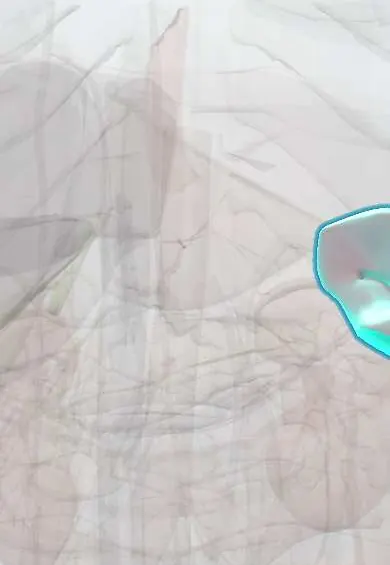
Structures involved
Tap one to see what it is and open it in 3D.
Why it happens
- Innate and adaptive immunity: overview
- The red cell life cycle and the spleen
- Lymph node and spleen under the microscope
What it is
Absence of the spleen (asplenia) or loss of its function (hyposplenism), after surgery, from disease or from birth. The main danger is overwhelming post-splenectomy infection (OPSI) by encapsulated bacteria.
Who gets it
Most cases follow splenectomy for trauma or for blood diseases such as immune thrombocytopenia and hereditary spherocytosis. Functional asplenia is very common in sickle cell disease, usually from early childhood. In Colombia, abdominal trauma from road traffic collisions and violence is a frequent reason for splenectomy, and patients with sickle cell disease on the Caribbean and Pacific coasts are a key group for vaccination programmes.
Causes
- Surgical splenectomy: trauma, immune thrombocytopenia, hereditary spherocytosis, thalassaemia, splenic tumours or abscess
- Functional hyposplenism: sickle cell disease (repeated splenic infarction, autosplenectomy)
- Other causes of hyposplenism: coeliac disease, inflammatory bowel disease, cirrhosis, splenic irradiation, graft-versus-host disease
- Congenital asplenia, sometimes with heart defects (heterotaxy syndromes)
Risk factors
- Young children, especially under 5 years
- First two years after splenectomy (risk persists lifelong)
- Splenectomy for an underlying haematological disease or cancer rather than trauma
- Incomplete vaccination
- Travel to malaria-endemic areas
Pathophysiology
The spleen filters the blood: its macrophages remove bacteria and old or abnormal red cells, and its marginal zone B cells make IgM antibodies against polysaccharide capsules. Without it, encapsulated bacteria (Streptococcus pneumoniae, Haemophilus influenzae type b, Neisseria meningitidis) multiply quickly in the bloodstream, producing fulminant sepsis with disseminated intravascular coagulation and adrenal haemorrhage within hours. The blood also shows cells the spleen normally removes, such as Howell-Jolly bodies, and the platelet count rises.
Symptoms and signs
- Usually no symptoms day to day
- Infection begins with fever, chills, muscle aches, vomiting or diarrhoea
- Rapid progression to confusion, low blood pressure and purpuric rash within hours
- Severe malaria or babesiosis after travel or exposure
- Severe infection after dog bites (Capnocytophaga canimorsus)
Diagnosis
- Clinical
- Known from the history (splenectomy, sickle cell disease) or suspected from blood smear findings. Fever in an asplenic patient is treated as an emergency before results are available.
- Tests
- Peripheral smear: Howell-Jolly bodies, target cells, acanthocytes and pitted red cells; mild thrombocytosis and lymphocytosis. In fever: blood cultures, full blood count, lactate, coagulation tests and thick and thin blood films when there is travel exposure.
- Imaging
- Ultrasound or scintigraphy (radionuclide liver-spleen scan) to assess spleen size and function; CT may reveal accessory spleens or splenosis after trauma.
Differential diagnosis
- Splenic atrophy versus accessory spleen or splenosis after splenectomy (residual function)
- Other causes of Howell-Jolly bodies (megaloblastic anaemia)
- Other causes of thrombocytosis (iron deficiency, inflammation, myeloproliferative neoplasms)
Goal of treatment
Prevent life-threatening infection through vaccination, antibiotic prophylaxis and education, and treat any fever immediately as possible sepsis.
Treatment
- Medical
- Vaccination against pneumococcus, meningococcus (ACWY and B), Haemophilus influenzae type b and seasonal influenza, ideally at least 2 weeks before elective splenectomy or 2 weeks after emergency surgery, with boosters as scheduled.
- Medical
- Antibiotic prophylaxis, usually with penicillin or amoxicillin, in children (in sickle cell disease from infancy), in the first years after splenectomy and in high-risk adults; a standby antibiotic supply for immediate use at the first sign of fever.
- Acute
- Fever or suspected sepsis: blood cultures and immediate empirical broad-spectrum intravenous antibiotics (such as ceftriaxone, with vancomycin where pneumococcal resistance is a concern), fluids and septic shock management.
- Surgical
- Spleen-preserving management of splenic trauma (observation, embolisation or partial splenectomy) whenever safe, to avoid asplenia.
- Follow-up
- Nursing priorities: patient and family education, medical alert card or bracelet, vaccination records, malaria prophylaxis for travel and prompt care after animal bites.
Complications
- Overwhelming post-splenectomy infection (OPSI) with septic shock
- Purpura fulminans and adrenal haemorrhage (Waterhouse-Friderichsen syndrome)
- Severe malaria and babesiosis
- Thrombocytosis and higher risk of venous thrombosis, including portal vein thrombosis after splenectomy
- Pulmonary hypertension after splenectomy in some haemolytic anaemias
Prognosis
With vaccination, prophylaxis and education, most people live normally. OPSI is uncommon but has a high mortality, often over 50%, which is why every fever is treated as an emergency.
Prevention
- Splenic preservation in trauma and surgery whenever possible
- Complete vaccination before or soon after splenectomy, with boosters
- Antibiotic prophylaxis and a standby antibiotic supply
- Education to seek immediate care for fever, malaria prevention when travelling and prompt care of animal bites
Test yourself
Think of the answer, then tap the question to see it.
Which three encapsulated bacteria cause most infections after splenectomy?
Streptococcus pneumoniae, Haemophilus influenzae type b and Neisseria meningitidis.
Which red cell inclusion on the smear indicates absent splenic function?
Howell-Jolly bodies (nuclear remnants).
When should vaccines be given for an elective splenectomy?
At least 2 weeks before surgery.
Why do patients with sickle cell disease become functionally asplenic?
Repeated splenic infarction from sickled cells leads to fibrosis and autosplenectomy, usually in early childhood.
What is the immediate management of fever in an asplenic patient?
Treat as an emergency: blood cultures and immediate empirical intravenous broad-spectrum antibiotics.
Related conditions
- Sickle cell disease
- Splenic injury
- Immune thrombocytopenia (ITP)
- Hereditary spherocytosis
- Thalassemias (α and β)
- Coeliac disease
- Sepsis and septic shock
- Community-acquired pneumonia
- Bacterial meningitis
- Meningococcal disease (meningococcemia)
- Malaria
Educational information, not medical advice. For any symptom, see a health professional.
Sources: Spleen removal (MedlinePlus (U.S. National Library of Medicine), 2025); Adult Immunization Schedule Notes (Centers for Disease Control and Prevention (CDC), 2025).
Spotted a mistake?We are always improving for the community. Tell us what is wrong and our team will review it.Report a mistake
Representative model, for educational purposes only.