Conditions · Vitamins and minerals
Beriberi (thiamine deficiency) !
Beriberi is lack of vitamin B1 in nerves and heart: weak, numb legs, or heart failure with swelling.
Updated 2026-11-01
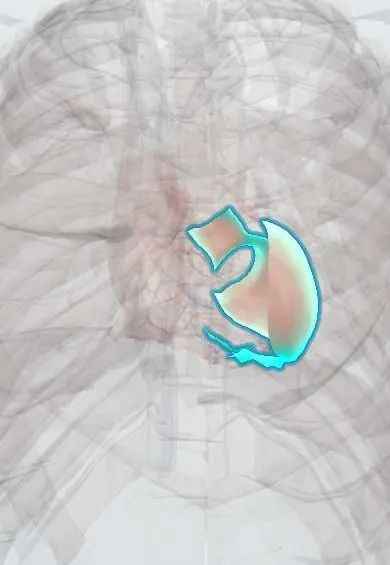
Structures involved
Tap one to see what it is and open it in 3D.
In biochemistry
In physiology
Why it happens
What it is
A thiamine deficiency disease with two main forms: dry (peripheral neuropathy) and wet (high-output heart failure). The brain form is Wernicke encephalopathy, which has its own page.
Who gets it
Classic in populations eating polished rice; today it occurs with alcoholism, bariatric surgery, hyperemesis of pregnancy, dialysis and diuretics. Infantile beriberi affects babies breastfed by deficient mothers in Southeast Asia.
Causes
- Diet based on polished rice or unfortified refined flour
- Alcoholism
- Prolonged vomiting, bariatric surgery, malnutrition
- Diuretics and dialysis (urinary loss)
- Breastfeeding by a deficient mother (infantile beriberi)
Risk factors
- Alcoholism
- Hyperemesis gravidarum
- Parenteral nutrition without vitamins
- Heart failure treated with loop diuretics
Pathophysiology
Without thiamine pyrophosphate, pyruvate dehydrogenase and α-ketoglutarate dehydrogenase fail: ATP falls and lactate rises. Long axons, which need much energy, degenerate (distal neuropathy). In the heart energy runs short, and accumulating metabolites dilate peripheral arterioles: vascular resistance falls, cardiac output rises and salt and water are retained, until the heart dilates and fails.
Classification
- Dry: sensorimotor polyneuropathy
- Wet: high-output heart failure with oedema
- Shoshin: fulminant wet form with shock and lactic acidosis
- Infantile: in babies aged 2 to 6 months (aphonia, heart failure)
Symptoms and signs
- Tingling, burning and numbness of the feet and legs
- Muscle weakness, foot drop, cramps, difficulty rising
- Leg swelling, breathlessness, palpitations (wet form)
- Infants: hoarse or absent cry, vomiting, fast heart rate
Diagnosis
- Clinical
- A clinical diagnosis in someone at risk; a quick response to thiamine (especially in the wet form) confirms it. Treatment is not delayed for tests.
- Tests
- Whole-blood thiamine or TPP, red-cell transketolase activity; raised lactate; electrolytes and magnesium; ECG and natriuretic peptides in the wet form.
- Imaging
- Chest X-ray with cardiomegaly and congestion; echocardiogram showing a dilated, high-output heart.
Treatment
- Acute
- Immediate parenteral thiamine in wet beriberi or in infants; then orally
- Medical
- Manage heart failure and correct magnesium and other deficiencies
- Rehabilitation
- Physical rehabilitation for the neuropathy
- Lifestyle
- Diet with whole or fortified grains, legumes and meat; support to stop alcohol
Complications
- Heart failure and sudden death
- Residual neuropathy
- Wernicke encephalopathy and Korsakoff syndrome
Prognosis
The wet form responds within hours to days; the neuropathy improves slowly and may leave deficits.
Prevention
- Fortification of flour and rice
- Thiamine for people at risk, especially before intravenous glucose
- Vitamins in parenteral nutrition
Test yourself
Think of the answer, then tap the question to see it.
What is the difference between dry and wet beriberi?
Dry is a peripheral polyneuropathy; wet is high-output heart failure with oedema.
Why is wet beriberi a high-output state?
Energy failure and accumulated metabolites dilate arterioles, vascular resistance falls and the heart pumps harder until it fails.
What is shoshin beriberi?
The fulminant wet form, with shock, severe lactic acidosis and cardiovascular collapse.
Why does polished rice cause beriberi?
Thiamine is in the husk and germ, which are removed by polishing.
Related conditions
- Pellagra (niacin deficiency)
- Wernicke encephalopathy (thiamine deficiency)
- Heart failure
- Lactic acidosis
Educational information, not medical advice. For any symptom, see a health professional.
Sources: Beriberi: MedlinePlus Medical Encyclopedia (MedlinePlus, US National Library of Medicine, 2026); Thiamin: MedlinePlus Medical Encyclopedia (MedlinePlus, US National Library of Medicine, 2026); SLC19A2 gene: MedlinePlus Genetics (MedlinePlus, US National Library of Medicine, 2026); Textbook of Biochemistry for Medical Students, 6th ed. (Jaypee Brothers Medical Publishers (Vasudevan DM, Sreekumari S, Vaidyanathan K), 2011).
Spotted a mistake?We are always improving for the community. Tell us what is wrong and our team will review it.Report a mistake
Representative model, for educational purposes only.