Bipolar disorder !
Bipolar disorder is a lifelong mood illness with episodes of mania or hypomania and depression. Treatment keeps most people stable.
Updated 2026-11-01
Structures involved
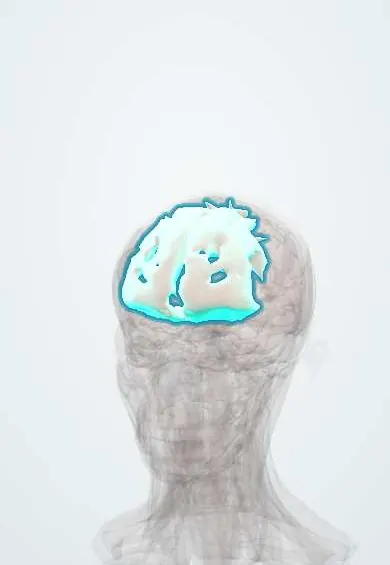
Tap one to see what it is and open it in 3D.
In embryology
Why it happens
What it is
A chronic mood disorder with episodes of mania or hypomania (elevated or irritable mood with increased energy) that usually alternate with depressive episodes. It includes bipolar I, bipolar II and cyclothymic disorder.
Who gets it
Affects around 1 to 2% of people across countries, with onset usually in the late teens or twenties; bipolar I is similar in men and women, while depression dominates the course in many people. In Latin America, as elsewhere, diagnosis is often delayed for years because the first episodes are depressive.
Causes
- Highly heritable: strong family aggregation with many genes of small effect
- Triggers of episodes: sleep loss, stress, substances, antidepressants without a mood stabiliser and the postpartum period
Risk factors
- First-degree relative with bipolar disorder
- Sleep deprivation and irregular routines
- Alcohol, cannabis, cocaine and other stimulant use
- Postpartum period
- Use of antidepressants alone or of corticosteroids in vulnerable people
Pathophysiology
Thought to involve abnormal regulation of the circuits linking prefrontal cortex, anterior cingulate and amygdala, with altered dopamine signalling (increased in mania), changes in intracellular signalling and circadian rhythm disturbance. Mood stabilisers such as lithium act on intracellular pathways and neuroprotection rather than a single receptor.
Classification
- Bipolar I: at least one manic episode (one week or any length if hospitalised); depression is common but not required
- Bipolar II: at least one hypomanic episode (four days or more, no marked impairment, no psychosis) and at least one major depressive episode
- Cyclothymic disorder: two years (one in children) of fluctuating hypomanic and depressive symptoms that never meet full episode criteria
- Specifiers: rapid cycling (four or more episodes a year), mixed features, psychotic features, peripartum onset
Symptoms and signs
- Mania: elevated, expansive or irritable mood with more energy
- Decreased need for sleep without feeling tired
- Grandiosity, pressured speech, racing thoughts and flight of ideas
- Distractibility and increased goal-directed activity
- Risky behaviour: spending sprees, sexual indiscretion, unwise investments
- Psychotic symptoms in severe mania (grandiose delusions)
- Depressive episodes like those of major depression, often with hypersomnia
Diagnosis
- Clinical
- Clinical diagnosis by DSM-5 or ICD-11 criteria from the history, ideally confirmed with family members, mood charting and the mnemonic DIGFAST for mania (distractibility, insomnia, grandiosity, flight of ideas, activities, speech, thoughtlessness). Always ask about past mania before treating depression.
- Tests
- To rule out other causes: TSH, glucose, kidney and liver function and drug screening. Before and during lithium: kidney function, thyroid function, calcium, pregnancy test and serum lithium levels; ECG when indicated. Valproate requires liver function and blood counts.
- Imaging
- Not needed for diagnosis. Brain imaging when there are neurological signs, late onset or suspected organic cause.
Differential diagnosis
- Major depressive disorder (unipolar)
- Schizoaffective disorder and schizophrenia
- Substance-induced mood disorder (stimulants, corticosteroids)
- Hyperthyroidism
- Borderline personality disorder
- ADHD in young people
Goal of treatment
Control the acute episode safely, prevent relapse with long-term mood stabilisation and reduce suicide, while limiting side effects.
Treatment
- Medical
- Mood stabilisers: lithium is the classic maintenance drug and lowers suicide risk; valproate and carbamazepine are alternatives in mania, and lamotrigine mainly prevents depressive episodes. Valproate is avoided in women who may become pregnant.
- Acute
- Acute mania: a second-generation antipsychotic and/or lithium or valproate; benzodiazepines for agitation. Antidepressants alone are avoided because they can trigger mania.
- Procedure
- Electroconvulsive therapy for severe, treatment-resistant mania or depression, or in pregnancy when other options are unsuitable.
- Follow-up
- Lithium monitoring: narrow therapeutic range; regular serum levels, kidney and thyroid function and calcium. Dehydration, low-salt diets, NSAIDs, thiazides and ACE inhibitors can raise levels. Nursing: safety in mania, hydration, nutrition, sleep and adherence.
- Conservative
- Psychoeducation for the person and family, early-warning sign plans, regular sleep and routines (interpersonal and social rhythm therapy) and cognitive behavioural therapy.
Complications
- Suicide, much more frequent than in the general population
- Substance use disorders
- Financial, legal and relationship harm from manic episodes
- Lithium adverse effects: hypothyroidism, nephrogenic diabetes insipidus, chronic kidney disease, tremor; Ebstein anomaly risk in first-trimester exposure
- Metabolic syndrome with some antipsychotics
Prognosis
A lifelong, recurrent illness. With maintenance treatment many people spend long periods well and keep working and studying; poor adherence, substance use and rapid cycling worsen the course.
Prevention
- Maintenance treatment and early-warning plans to prevent relapse
- Regular sleep and avoiding alcohol and drugs
- Preconception planning in women who take mood stabilisers
Test yourself
Think of the answer, then tap the question to see it.
What distinguishes bipolar I from bipolar II?
Bipolar I needs at least one manic episode; bipolar II has hypomania plus major depression but never full mania.
Which drug is the classic maintenance treatment that also reduces suicide?
Lithium.
What are three signs of lithium toxicity?
Coarse tremor, ataxia and confusion, often with vomiting and diarrhoea.
Which common drugs can raise serum lithium levels?
NSAIDs, thiazide diuretics and ACE inhibitors, as well as dehydration.
Why are antidepressants not given alone in bipolar depression?
They may trigger a switch to mania or rapid cycling.
Related conditions
- Major depressive disorder
- Suicidal behaviour and suicide risk
- Schizophrenia
- Alcohol use disorder
- Hypothyroidism
- Graves disease (hyperthyroidism)
Educational information, not medical advice. For any symptom, see a health professional.
Sources: Bipolar Disorder (MedlinePlus (National Library of Medicine), 2025).
Spotted a mistake?We are always improving for the community. Tell us what is wrong and our team will review it.Report a mistake
Representative model, for educational purposes only.