Conditions · Metabolism: cholesterol and lipoproteins
Familial dysbetalipoproteinemia (type III hyperlipoproteinemia) !
An inherited disorder in which the liver poorly clears lipoprotein remnants; cholesterol and triglycerides rise and xanthomas appear.
Updated 2026-11-01
Structures involved
Tap one to see what it is and open it in 3D.
In biochemistry
- Apolipoprotein E (ApoE)
- Lipoprotein metabolism
- VLDL (very-low-density lipoprotein)
- Fredrickson classification of hyperlipoproteinaemias
What it is
A dyslipidaemia caused by ApoE that binds receptors poorly (almost always the ε2/ε2 genotype), with build-up of chylomicron and VLDL remnants.
Who gets it
About 1% of people carry ε2/ε2, but only a small share develop the disease, because a second factor is needed. It appears in adulthood; in women, often after menopause.
Causes
- ApoE2 homozygosity (ε2/ε2), recessive inheritance
- Rarely, dominant APOE variants
- A second factor: obesity, diabetes, hypothyroidism, alcohol or menopause
Risk factors
- ε2/ε2 genotype
- Obesity and insulin resistance
- Hypothyroidism
- Alcohol use
Pathophysiology
ApoE2 has cysteine at positions 112 and 158 and binds the LDL receptor and LRP1 poorly. Chylomicron and VLDL remnants (cholesterol-rich β-VLDL) stay in the blood; macrophages take them up, forming xanthomas and plaques. Cholesterol and triglycerides rise in similar proportion.
Symptoms and signs
- Xanthomas in the palm creases (xanthoma striatum palmare, very typical)
- Tuberoeruptive xanthomas on elbows and knees
- Angina at a young age
- Calf pain when walking (claudication)
Diagnosis
- Clinical
- Palmar or tuberoeruptive xanthomas with cholesterol and triglycerides raised in similar proportions.
- Tests
- Lipid panel; ApoB relatively low for the non-HDL cholesterol; lipoprotein electrophoresis or ultracentrifugation (broad beta band); APOE genotype; TSH, glucose and liver tests to find the second factor.
- Imaging
- Arterial Doppler ultrasound or CT angiography when there is vascular disease.
Treatment
- Lifestyle
- Weight loss, better diet and less alcohol (usually responds very well)
- Medical
- Treatment of hypothyroidism and diabetes
- Medical
- Statins and fibrates
- Follow-up
- Lipid and cardiovascular risk follow-up
Complications
- Premature coronary disease
- Peripheral artery disease
- Stroke
- Pancreatitis if triglycerides rise very high
Prognosis
It responds well to diet and drugs; the outlook depends on controlling atherosclerosis.
Test yourself
Think of the answer, then tap the question to see it.
Which APOE genotype is linked to type III hyperlipoproteinaemia?
ε2/ε2.
Which lipoproteins build up in dysbetalipoproteinaemia?
Chylomicron and VLDL remnants (IDL or β-VLDL).
Which xanthoma is almost diagnostic of this disease?
Xanthoma striatum palmare, in the palm creases.
Why do not all ε2/ε2 people develop the disease?
A second factor that raises remnants, such as obesity, diabetes or hypothyroidism, is needed.
Related conditions
- Familial hypercholesterolemia
- Atherosclerosis and dyslipidaemia
- Peripheral artery disease
- Hypothyroidism
Educational information, not medical advice. For any symptom, see a health professional.
Sources: Familial dysbetalipoproteinemia: MedlinePlus Medical Encyclopedia (MedlinePlus, US National Library of Medicine, 2026); APOE gene: MedlinePlus Genetics (MedlinePlus, US National Library of Medicine, 2026).
Spotted a mistake?We are always improving for the community. Tell us what is wrong and our team will review it.Report a mistake
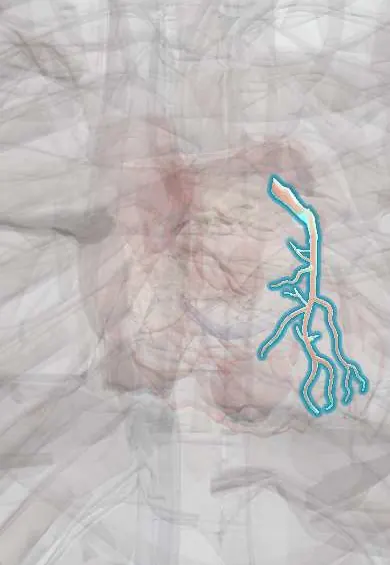
Representative model, for educational purposes only.