Hyperosmolar hyperglycaemic state !
A diabetic emergency with extremely high blood sugar and severe dehydration but little ketosis. It mostly affects older adults with type 2 diabetes.
Updated 2026-11-01
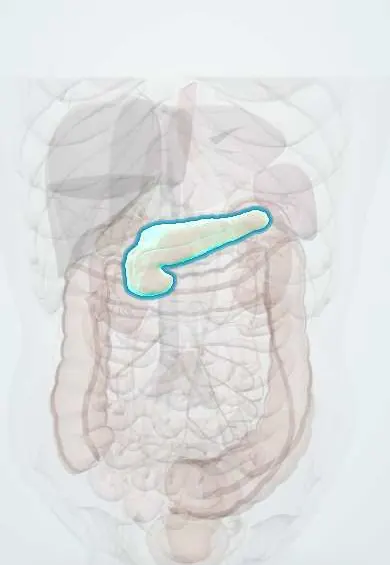
Structures involved
Tap one to see what it is and open it in 3D.
Why it happens
- Physiology of diabetes and ketoacidosis
- Glucagon and the counter-regulatory hormones
- Glucose transport maximum and renal threshold
- Osmosis, osmolarity and tonicity
- Serum osmolality and osmolar gap
What it is
An acute, life-threatening complication of diabetes defined by marked hyperglycaemia, high serum osmolality and profound dehydration, with no significant ketoacidosis. Altered mental status is common.
Who gets it
Less frequent than diabetic ketoacidosis but with a higher mortality. Typically affects older adults with type 2 diabetes, often undiagnosed until the crisis; in Latin America, where many adults with diabetes are unaware of it, HHS may be the first presentation. Mixed DKA–HHS pictures are common.
Causes
- Infection, most often pneumonia or urinary tract infection (the main trigger)
- Missed or inadequate diabetes treatment, or new undiagnosed type 2 diabetes
- Acute illness: stroke, myocardial infarction, pancreatitis, trauma or surgery
- Drugs that raise glucose or cause fluid loss: glucocorticoids, thiazide diuretics, some antipsychotics
Risk factors
- Older age and type 2 diabetes
- Limited access to water: dementia, bedbound or nursing-home residents
- Reduced thirst sensation in the elderly
- Chronic kidney disease
- Intake of sugar-sweetened drinks during a hyperglycaemic illness
Pathophysiology
Relative insulin deficiency plus a rise in counter-regulatory hormones (glucagon, cortisol, catecholamines) increases hepatic glucose output and reduces uptake by tissues. The small amount of insulin still present is enough to block lipolysis and ketogenesis, so acidosis does not develop. Glucose spills into the urine and causes an osmotic diuresis that drains water and electrolytes over days; the resulting hyperosmolality pulls water out of brain cells and depresses consciousness.
Classification
- Pure HHS: hyperosmolality without significant ketosis or acidosis
- Mixed DKA–HHS: hyperosmolality together with ketoacidosis
Symptoms and signs
- Gradual onset over days to weeks
- Intense thirst, polyuria then reduced urine output
- Signs of severe dehydration: dry mucosa, poor skin turgor, tachycardia, hypotension
- Weakness, weight loss and blurred vision
- Confusion, lethargy, drowsiness progressing to stupor or coma
- Focal neurological signs or seizures that may mimic a stroke
Diagnosis
- Clinical
- Older person with diabetes, days of polyuria and thirst, severe dehydration and altered mental status; search for the precipitating cause (infection, stroke, myocardial infarction, drugs).
- Tests
- Usual criteria: plasma glucose ≥600 mg/dL, effective serum osmolality >300–320 mOsm/kg, absent or minimal ketones and pH ≥7.30 with bicarbonate ≥15–18 mmol/L. Also sodium (correct for glucose), potassium, urea and creatinine, blood gas, complete blood count, urinalysis and cultures, ECG and troponin as indicated.
- Imaging
- Not needed to confirm HHS. Chest X-ray to look for pneumonia; brain CT if there are focal signs or the mental state does not improve as osmolality falls.
Differential diagnosis
- Diabetic ketoacidosis
- Stroke or intracranial haemorrhage
- Sepsis with delirium
- Hypoglycaemia (always checked with a bedside glucose)
- Other causes of hyperosmolar coma: hypernatraemia, toxic alcohol ingestion
Goal of treatment
Restore circulating volume first, then lower glucose and osmolality slowly, replace electrolytes (especially potassium), treat the trigger and prevent complications such as cerebral oedema and thrombosis.
Treatment
- Acute
- Aggressive intravenous fluid replacement with isotonic crystalloid is the first and most important step; the fluid deficit is usually larger than in DKA.
- Medical
- Intravenous insulin infusion, started after fluids have begun and once potassium is known not to be low; dextrose is added when glucose falls to avoid dropping it too fast.
- Medical
- Potassium replacement guided by frequent levels, since insulin and fluids push potassium into cells.
- Medical
- Treatment of the precipitating cause (e.g. antibiotics for infection) and pharmacological thromboprophylaxis unless contraindicated.
- Follow-up
- Nursing priorities: hourly vital signs, neurological status and glucose; strict fluid balance with urine output; regular electrolytes and osmolality; cardiac monitoring; watch for fluid overload in older patients with heart or kidney disease.
Complications
- Cerebral oedema from correcting osmolality too fast (rare in adults)
- Venous and arterial thrombosis, including DVT, pulmonary embolism and stroke
- Acute kidney injury
- Hypokalaemia and hypoglycaemia during treatment
- Aspiration pneumonia in patients with depressed consciousness
- Rhabdomyolysis
Prognosis
Mortality is higher than in DKA and rises with age, depth of coma, degree of hyperosmolality and the severity of the underlying illness. Most deaths relate to the trigger or to coexisting disease.
Prevention
- Education on sick-day rules and fluid intake for people with diabetes and their caregivers
- Early diagnosis of type 2 diabetes in at-risk older adults
- Close glucose monitoring when starting glucocorticoids or during infections
Test yourself
Think of the answer, then tap the question to see it.
Why do patients with HHS develop little or no ketoacidosis?
Enough insulin remains to suppress lipolysis and ketone production, although not enough to control glucose.
What is the first and most important step in treating HHS?
Intravenous fluid replacement with isotonic crystalloid to restore circulating volume.
Which laboratory value must be known before starting an insulin infusion?
Serum potassium, because insulin shifts potassium into cells and can cause dangerous hypokalaemia.
Which patient typically develops HHS?
An older adult with type 2 diabetes, often with an infection and limited access to water, presenting with confusion and severe dehydration.
Why are glucose and sodium corrected slowly in HHS?
A rapid fall in osmolality can shift water into brain cells and cause cerebral oedema.
Related conditions
- Type 2 diabetes mellitus
- Diabetic ketoacidosis
- Type 1 diabetes mellitus
- Acute kidney injury
- Sepsis and septic shock
- Ischaemic stroke
- Deep vein thrombosis
Educational information, not medical advice. For any symptom, see a health professional.
Sources: Diabetic hyperglycemic hyperosmolar syndrome: MedlinePlus Medical Encyclopedia (MedlinePlus (U.S. National Library of Medicine), 2024); Hyperglycemic Crises in Adults With Diabetes: A Consensus Report (Diabetes Care (ADA, EASD, JBDS, AACE, DTS), 2024).
Spotted a mistake?We are always improving for the community. Tell us what is wrong and our team will review it.Report a mistake
Representative model, for educational purposes only.