Conditions · Infectious and tropical diseases
Listeriosis !
Listeriosis is a food-borne bacterial infection that is dangerous in pregnancy, newborns, older adults and people with weak immunity.
Updated 2026-11-01
Structures involved
Tap one to see what it is and open it in 3D.
Microorganisms that cause it
Why it happens
- Innate and adaptive immunity: overview
- Cytoskeleton: microfilaments, intermediate filaments, microtubules
- Placenta
What it is
Infection by Listeria monocytogenes, a gram-positive intracellular bacillus acquired from contaminated food, that causes febrile gastroenteritis in healthy people and invasive disease (sepsis, meningitis, rhombencephalitis, pregnancy and neonatal infection) in high-risk groups.
Who gets it
Rare but with one of the highest fatality rates among food-borne infections (about 20–30% for invasive disease). Pregnant women are many times more susceptible than other healthy adults. Outbreaks have been linked to soft and fresh cheeses, deli meats, smoked fish and fresh produce; in Latin America fresh unpasteurised cheese is a recognised vehicle.
Causes
- Listeria monocytogenes from soil, water and animal intestines
- Contaminated ready-to-eat foods: soft and fresh cheeses, deli and cold meats, smoked fish, prepared salads, unpasteurised milk
- Growth at refrigerator temperatures, so food can become heavily contaminated during storage
- Transplacental spread or contact during delivery for neonatal infection
Risk factors
- Pregnancy
- Newborns
- Age over about 60 years
- Immunosuppression: corticosteroids, transplant, cancer, chemotherapy, advanced HIV
- Diabetes, cirrhosis, chronic kidney disease and alcohol use disorder
Pathophysiology
Listeria crosses the intestinal wall, enters cells and moves directly from cell to cell by polymerising host actin, which shields it from antibodies. Defence depends on cell-mediated immunity, so pregnancy and immunosuppression allow bacteraemia. The organism has a tropism for the central nervous system (meninges and brainstem) and for the placenta, where it causes chorioamnionitis and fetal infection.
Classification
- Febrile gastroenteritis (non-invasive) in healthy people after a large dose
- Invasive disease in adults: bacteraemia, meningitis, meningoencephalitis, rhombencephalitis, focal infections
- Pregnancy-associated listeriosis: maternal febrile illness with fetal infection
- Neonatal listeriosis: early onset (first week, transplacental; granulomatosis infantiseptica) and late onset (meningitis after the first week)
Symptoms and signs
- Fever, myalgia, diarrhoea and nausea in the gastrointestinal form
- Flu-like illness or no symptoms in pregnant women
- Headache, stiff neck and altered consciousness in meningitis
- Cranial nerve palsies, ataxia and asymmetric weakness in brainstem encephalitis
- Newborn with respiratory distress, poor feeding, rash or seizures
Diagnosis
- Clinical
- Suspected in fever or meningitis in a high-risk patient, and in a pregnant woman with fever after high-risk foods. Empirical treatment is not delayed for results.
- Tests
- Cultures of blood and cerebrospinal fluid (and placenta, amniotic fluid or neonatal samples); routine stool culture does not detect it. CSF often shows a neutrophilic or mixed pleocytosis with a normal or low glucose; the Gram stain is often negative. Gram-positive rods in CSF suggest Listeria.
- Imaging
- Brain MRI for suspected rhombencephalitis or abscess; obstetric ultrasound for fetal wellbeing.
Differential diagnosis
- Bacterial meningitis by pneumococcus or meningococcus
- Viral encephalitis
- Chorioamnionitis by other organisms
- Neonatal group B streptococcal sepsis
- Viral gastroenteritis
Goal of treatment
Give antibiotics active against Listeria early in invasive disease and pregnancy to prevent death, neurological damage and fetal infection.
Treatment
- Medical
- Intravenous ampicillin (or penicillin), often with gentamicin in severe disease; Listeria is intrinsically resistant to cephalosporins, so ampicillin is added to empirical meningitis therapy in newborns, people over 50 and the immunosuppressed.
- Medical
- Trimethoprim-sulfamethoxazole as an alternative in penicillin allergy; prolonged courses for meningitis, rhombencephalitis and abscess.
- Acute
- Sepsis and meningitis care: airway, fluids, seizure control and intensive care when needed; neonatal resuscitation for an infected newborn.
- Follow-up
- Fetal monitoring in pregnancy; neurological checks for cranial nerve and consciousness changes; report clusters to public health for food tracing.
Complications
- Miscarriage, stillbirth and preterm birth
- Neonatal sepsis and meningitis
- Rhombencephalitis and brain abscess
- Hydrocephalus and lasting neurological deficits
- Septic shock and death
Prognosis
Invasive listeriosis has a high case-fatality rate (about one in four to one in five), higher in older and immunosuppressed adults and in early-onset neonatal disease. Prompt treatment of the mother can prevent fetal infection.
Prevention
- Pregnant women and high-risk people avoid fresh unpasteurised cheese, raw milk, cold deli meats and refrigerated smoked fish unless heated until steaming
- Reheat leftovers and ready-to-eat foods thoroughly; keep the refrigerator cold and clean
- Wash raw produce; separate raw and cooked foods
- Food-industry hygiene and outbreak surveillance
Test yourself
Think of the answer, then tap the question to see it.
Which antibiotic is added to empirical meningitis treatment in neonates and adults over 50 to cover Listeria, and why?
Ampicillin, because Listeria is intrinsically resistant to cephalosporins.
Which foods are classically linked to listeriosis?
Soft and fresh unpasteurised cheeses, deli meats, smoked fish, unpasteurised milk and prepared ready-to-eat foods.
Why can Listeria contaminate food that has been refrigerated?
It can grow at refrigerator temperatures.
What brainstem syndrome is characteristic of Listeria?
Rhombencephalitis: fever with cranial nerve palsies, ataxia and altered consciousness.
What are the pregnancy outcomes of listeriosis?
Miscarriage, stillbirth, preterm birth and neonatal sepsis or meningitis, often after a mild maternal illness.
Related conditions
- Bacterial meningitis
- Neonatal sepsis
- Chorioamnionitis (intra-amniotic infection)
- Miscarriage (early pregnancy loss)
- Stillbirth (intrauterine fetal death)
- Preterm labour and birth
- Sepsis and septic shock
- Acute (viral) gastroenteritis
Educational information, not medical advice. For any symptom, see a health professional.
Sources: Listeriosis (World Health Organization, 2018); Clinical Overview of Listeriosis | Listeria Infection | CDC (Centers for Disease Control and Prevention, 2024).
Spotted a mistake?We are always improving for the community. Tell us what is wrong and our team will review it.Report a mistake
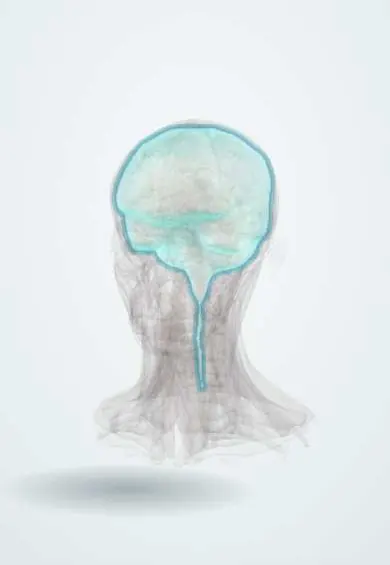
Representative model, for educational purposes only.