Bacterial meningitis !
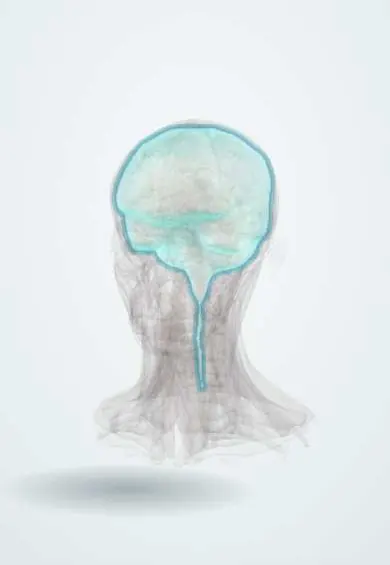
Bacterial meningitis is an infection of the membranes around the brain and spinal cord; it causes fever, headache and stiff neck and is an emergency.
Updated 2026-10-29
Structures involved
Tap one to see what it is and open it in 3D.
- Dura mater
- Superior sagittal sinus
- Choroid plexus
- Vestibulocochlear nerve (VIII)
- Nasal cavity
- Cribriform plate
Microorganisms that cause it
- Neisseria meningitidis
- Escherichia coli
- Haemophilus influenzae
- Streptococcus pneumoniae
- Streptococcus agalactiae
- Listeria monocytogenes
In immunology
- Complement deficiencies and hereditary angioedema
- Colombia's PAI schedule (which vaccines, at what age)
In histology
- Gray and white matter, cerebellar cortex, meninges
- Blood–brain barrier, choroid plexus and cerebrospinal fluid
In the clinical exam
- Meningeal signs: neck stiffness, Kernig and Brudzinski
- Intracranial hypertension syndrome
- Meningeal syndrome
In physiology
Why it happens
- Patterns of acute inflammation: serous, fibrinous, purulent, abscess, ulcer
- How septic shock develops
- Cerebral blood flow, brain metabolism and intracranial pressure
What it is
Acute bacterial infection of the meninges and the cerebrospinal fluid around the brain and spinal cord. It is a medical emergency that can kill or disable within hours.
Who gets it
Highest in infants, young children and older adults. Conjugate vaccines included in national immunisation programmes, such as Colombia's, have reduced Haemophilus influenzae type b and pneumococcal disease.
Causes
- Streptococcus pneumoniae (commonest in adults)
- Neisseria meningitidis
- Haemophilus influenzae type b (now rare where vaccinated)
- Listeria monocytogenes in neonates, older adults and immunosuppressed
- Group B streptococcus and Escherichia coli in neonates
Risk factors
- Extremes of age
- Lack of vaccination
- Otitis media, sinusitis or pneumonia
- Skull base fracture or CSF leak, cochlear implants
- Asplenia, HIV and other immunosuppression, alcohol use
- Crowded settings (meningococcus)
Pathophysiology
Bacteria colonise the nasopharynx, enter the bloodstream and cross into the subarachnoid space, or spread directly from nearby infection or a skull defect. Bacterial products trigger an intense inflammatory response that causes cerebral oedema, vasculitis, raised intracranial pressure and neuronal injury.
Symptoms and signs
- Fever
- Headache
- Neck stiffness
- Altered mental status
- Photophobia, vomiting, seizures
- Petechial or purpuric rash (meningococcus)
- Infants: irritability, poor feeding, bulging fontanelle
Diagnosis
- Clinical
- The classic triad of fever, neck stiffness and altered mental status is present in only a minority, but nearly all have at least one feature with headache. Kernig and Brudzinski signs have low sensitivity.
- Tests
- Blood cultures before antibiotics, then lumbar puncture: high opening pressure, neutrophils, high protein, low glucose ratio; Gram stain, culture and PCR. Blood count, CRP, lactate.
- Imaging
- Head CT before lumbar puncture only in selected patients (focal signs, reduced consciousness, papilloedema, immunosuppression, new seizure); antibiotics are not delayed for it.
Differential diagnosis
- Viral meningitis or encephalitis
- Subarachnoid haemorrhage
- Tuberculous or fungal meningitis
- Brain abscess
- Sepsis from another source
- Cerebral malaria
Goal of treatment
Give effective antibiotics immediately, reduce inflammation-related damage, support the circulation and brain, and protect close contacts.
Treatment
- Acute
- Empirical intravenous antibiotics without delay: third-generation cephalosporins, plus vancomycin where pneumococcal resistance is a concern, plus ampicillin when Listeria is possible. Adjusted to cultures.
- Medical
- Corticosteroids (dexamethasone class) given with or before the first antibiotic dose in suspected pneumococcal meningitis, as many guidelines advise.
- Follow-up
- Intensive care for shock, raised intracranial pressure and seizures; fluid and sodium monitoring.
- Medical
- Antibiotic prophylaxis for close contacts of meningococcal and Hib cases, according to public health guidance.
- Rehabilitation
- Hearing testing after recovery, with cochlear implants if needed; neurodevelopmental follow-up in children.
Drugs for this condition
- Ampicillin
- Ceftazidime
- Cefotaxime
- Vancomycin
- Meropenem
- Polymyxin B
- Chloramphenicol
- Ceftriaxone
- Haemophilus influenzae type b (Hib) vaccine
- Pneumococcal vaccine
- Meningococcal vaccine
Complications
- Septic shock and disseminated intravascular coagulation
- Cerebral oedema and herniation
- Sensorineural hearing loss
- Seizures and hydrocephalus
- Limb loss after meningococcal purpura fulminans
- Cognitive and developmental deficits
Prognosis
Mortality remains significant even with treatment, highest with pneumococcus and in older adults. Many survivors have lasting effects, especially hearing loss. Delay to antibiotics worsens outcome.
Prevention
- Conjugate vaccines against Hib, pneumococcus and meningococcus
- Chemoprophylaxis of close contacts
- Antenatal screening and intrapartum prophylaxis for group B streptococcus
- Prompt treatment of ear and sinus infections
Test yourself
Think of the answer, then tap the question to see it.
What is the classic triad of bacterial meningitis?
Fever, neck stiffness and altered mental status; all three are present in only a minority.
What CSF profile suggests bacterial meningitis?
Raised neutrophils, high protein, low CSF-to-blood glucose ratio and high opening pressure.
Should antibiotics wait for a CT scan or lumbar puncture?
No. Blood cultures are taken and empirical antibiotics are started immediately.
Which antibiotic is added when Listeria is a concern?
Ampicillin, for neonates, older adults, pregnant and immunosuppressed patients.
What is the commonest long-term complication in survivors?
Sensorineural hearing loss.
Related conditions
- Subarachnoid haemorrhage
- Epilepsy and seizures
- Community-acquired pneumonia
- Neurocysticercosis
- Acute otitis media
- Acute rhinosinusitis
- Sepsis and septic shock
- HIV infection and AIDS
Educational information, not medical advice. For any symptom, see a health professional.
Sources: Bacterial Meningitis (StatPearls (NCBI Bookshelf), 2023).
Spotted a mistake?We are always improving for the community. Tell us what is wrong and our team will review it.Report a mistake
Representative model, for educational purposes only.