Opioid use disorder, overdose and withdrawal !
A chronic disorder of compulsive opioid use. Overdose can stop breathing and is reversed by naloxone; medicines for the disorder save lives.
Updated 2026-11-01
Structures involved
Tap one to see what it is and open it in 3D.
In the clinical exam
Why it happens
- Drugs of abuse: cocaine, opioids, amphetamines, cannabis
- Control of breathing, chemoreceptors and lung reflexes
What it is
A chronic, relapsing disorder in which a person keeps using opioids (heroin, fentanyl or prescription painkillers) despite harm, with craving, loss of control, tolerance and withdrawal. This page also covers its two emergencies: overdose, which can stop breathing, and withdrawal.
Who gets it
Opioid overdose is a major cause of preventable death worldwide, and synthetic opioids such as fentanyl have driven a steep rise in North America. In Colombia, opioid use is less common than in North America, but heroin use, including injection, is concentrated in some cities and brings HIV and hepatitis C risk; misuse of prescription opioids is also monitored.
Causes
- Repeated use of heroin or illicit fentanyl
- Misuse of prescribed opioid analgesics, sometimes after treatment of pain
- Genetic vulnerability combined with environmental and social factors
Risk factors
- Other substance use disorders, including alcohol and benzodiazepines
- Mental illness such as depression, anxiety disorders or PTSD
- History of trauma, poverty and social exclusion
- Long-term prescription of high-potency opioids
- For overdose: recent release from prison or detoxification (lost tolerance), injecting alone, and combining opioids with alcohol or sedatives
Pathophysiology
Opioids act on mu receptors. In the brainstem (pons and medulla) they blunt the respiratory centres' response to carbon dioxide, which causes the fatal hypoventilation of overdose. In the reward circuit they release dopamine from the midbrain to the ventral striatum, which drives reinforcement; repeated use causes tolerance and dependence. On stopping, the noradrenergic system rebounds and produces withdrawal.
Classification
- Opioid use disorder: mild, moderate or severe according to the number of DSM-5 criteria met
- Opioid intoxication and overdose
- Opioid withdrawal
Symptoms and signs
- Use disorder: craving, using more than intended, failed attempts to cut down, neglect of roles and continued use despite harm
- Overdose: pinpoint pupils, slow or absent breathing and reduced consciousness (the classic triad), with cyanosis
- Withdrawal: dilated pupils, yawning, tearing and runny nose, goosebumps and sweating
- Withdrawal: muscle aches, abdominal cramps, nausea, vomiting and diarrhoea, anxiety and insomnia
- Injection marks, skin abscesses or cellulitis in people who inject
Diagnosis
- Clinical
- Use disorder is diagnosed clinically with DSM-5 criteria. Overdose is recognised by the triad of pinpoint pupils, respiratory depression and reduced consciousness; withdrawal severity is scored with the COWS scale (Clinical Opiate Withdrawal Scale).
- Tests
- Urine drug screen (standard immunoassays may miss fentanyl and other synthetic opioids), pulse oximetry and blood gases in overdose, glucose, and acetaminophen level in intentional ingestions. Screening for HIV, hepatitis B and C and pregnancy.
- Imaging
- Chest X-ray when aspiration or pulmonary oedema is suspected after an overdose; echocardiography when endocarditis is suspected.
Differential diagnosis
- Intoxication with benzodiazepines, alcohol or other sedatives
- Hypoglycaemia
- Pontine haemorrhage, which can also cause pinpoint pupils and coma
- Clonidine or other centrally acting drug toxicity
- For withdrawal: viral gastroenteritis, influenza-like illness or anxiety disorder
Goal of treatment
Restore breathing in overdose, ease withdrawal, and keep the person alive and in long-term treatment that reduces illicit use, overdose, infection and crime.
Treatment
- Acute
- Overdose: open the airway and support ventilation with a bag-valve mask, then give naloxone, an opioid antagonist, and observe for re-sedation because naloxone may wear off before the opioid.
- Medical
- Medicines for opioid use disorder: methadone (full agonist) and buprenorphine (partial agonist) are first-line maintenance treatments and lower mortality; buprenorphine started too soon after a full agonist can precipitate withdrawal. Naltrexone (antagonist) is an option after full detoxification.
- Medical
- Withdrawal symptoms can be eased with an alpha-2 agonist such as clonidine and with symptomatic medicines; withdrawal is very unpleasant but rarely life-threatening in healthy adults.
- Conservative
- Psychosocial treatment and harm reduction: counselling, contingency management, sterile injecting equipment, naloxone distribution to users and families, and testing for HIV and hepatitis.
- Follow-up
- Nursing care: respiratory rate, oxygen saturation and level of consciousness after naloxone, withdrawal scoring, and teaching about loss of tolerance and overdose risk after detoxification.
Complications
- Fatal respiratory arrest
- Hypoxic brain injury, aspiration pneumonia and non-cardiogenic pulmonary oedema
- HIV, hepatitis B and C from shared injecting equipment
- Right-sided (tricuspid) infective endocarditis, skin abscesses and septic emboli
- Neonatal opioid withdrawal syndrome in babies exposed during pregnancy
- Death from overdose soon after detoxification or release from prison
Prognosis
A chronic relapsing disorder, but maintenance with methadone or buprenorphine clearly reduces overdose deaths, infections and illicit use. Detoxification alone, without maintenance treatment, has high relapse rates and a raised overdose risk.
Prevention
- Careful opioid prescribing for pain, with the lowest effective course
- Naloxone available to people who use opioids, their families and first responders
- Wider access to maintenance treatment and harm-reduction services
Test yourself
Think of the answer, then tap the question to see it.
What is the classic triad of opioid overdose?
Pinpoint pupils, respiratory depression and reduced level of consciousness.
Which drug reverses an opioid overdose, and why is the patient observed afterwards?
Naloxone; it may wear off before the opioid does, so sedation and hypoventilation can return.
Why can starting buprenorphine too early cause withdrawal?
As a high-affinity partial agonist it displaces full agonists from mu receptors, lowering net opioid effect (precipitated withdrawal).
How do the pupils differ between opioid intoxication and opioid withdrawal?
Intoxication causes miosis (pinpoint pupils); withdrawal causes mydriasis (dilated pupils).
Which heart valve is classically affected by endocarditis in people who inject drugs?
The tricuspid valve.
Related conditions
- Infective endocarditis
- HIV infection and AIDS
- Viral hepatitis
- Acute respiratory distress syndrome (ARDS)
- Community-acquired pneumonia
- Alcohol withdrawal and delirium tremens
- Post-traumatic stress disorder (PTSD) and acute stress disorder
Educational information, not medical advice. For any symptom, see a health professional.
Sources: Opioid overdose (World Health Organization (WHO), 2025); Opiate and opioid withdrawal (MedlinePlus (U.S. National Library of Medicine), 2025).
Spotted a mistake?We are always improving for the community. Tell us what is wrong and our team will review it.Report a mistake
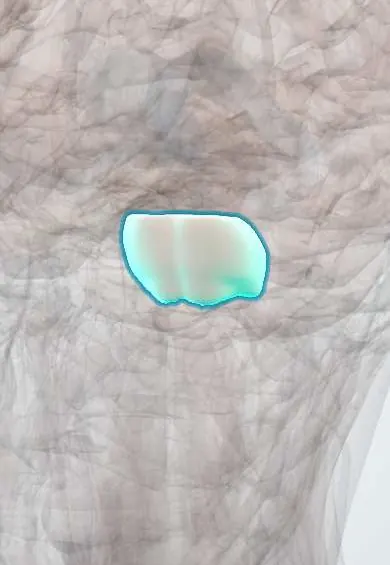
Representative model, for educational purposes only.