Paraphilic disorders !
Persistent unusual sexual urges that cause distress or impairment, or that involve harming or acting on people who cannot consent.
Updated 2026-11-01
Structures involved
Tap one to see what it is and open it in 3D.
What it is
A group of disorders defined by recurrent, intense sexually arousing fantasies, urges or behaviours involving atypical objects, situations or targets, lasting at least 6 months, that either cause distress or impairment or have been acted on with non-consenting people. Having an unusual sexual interest (a paraphilia) is not by itself a disorder.
Who gets it
Exact prevalence is unknown because of underreporting. Most people diagnosed are men, and onset is usually around puberty or early adulthood. Several paraphilias often coexist in the same person. Paraphilic disorders that involve non-consenting people overlap with sexual violence, a serious public health problem in Colombia, especially against children and adolescents.
Causes
- Unclear; probably an interaction of neurodevelopmental, psychological and social factors
- Early conditioning of sexual arousal to atypical stimuli
- Altered brain function in some cases (for example in pedophilic disorder)
- New-onset disinhibited sexual behaviour may result from frontal or temporal brain lesions
Risk factors
- Male sex
- History of childhood sexual abuse or adversity
- Coexisting personality disorders, substance use, ADHD or mood disorders
- Hypersexuality and social isolation
Pathophysiology
The mechanism is not well understood. Sexual arousal depends on hypothalamic and limbic circuits under hormonal influence (testosterone), while the prefrontal cortex inhibits urges. In paraphilic disorders the arousal pattern becomes fixed on atypical targets, and weak inhibitory control or impulsivity increases the chance of acting on it. This is the rationale for treatments that lower testosterone or reduce sexual drive.
Classification
- Courtship disorders: voyeuristic, exhibitionistic and frotteuristic disorders
- Algolagnic disorders: sexual masochism and sexual sadism disorders
- Anomalous target preferences: pedophilic, fetishistic and transvestic disorders
- Other specified paraphilic disorders
Symptoms and signs
- Recurrent intense fantasies, urges or behaviours focused on the atypical target for at least 6 months
- Distress, guilt or impairment in relationships and work
- Acting on the urges with non-consenting people (exposing, watching, touching)
- Pedophilic disorder: urges involving prepubertal children, in a person at least 16 years old and at least 5 years older than the child
- Coexisting depression, anxiety or substance use
Diagnosis
- Clinical
- Clinical diagnosis by a mental health professional through a detailed, non-judgemental sexual history and DSM-5-TR criteria (at least 6 months plus distress, impairment or acting on non-consenting people). Assess risk to others, comorbidity and legal duties. Health staff must follow mandatory reporting rules when a child is at risk.
- Tests
- No test diagnoses it. Before medicines that lower testosterone: baseline testosterone and other hormones, liver function and bone health assessment.
- Imaging
- Brain MRI when behaviour begins late in life or there are neurological signs, to look for frontal or temporal lesions or dementia.
Differential diagnosis
- Paraphilic interests without distress, impairment or harm (not a disorder)
- Consensual sexual practices between adults
- Manic episode with hypersexuality
- Frontotemporal dementia or other brain lesions causing disinhibition
- Antisocial personality disorder or substance intoxication
- Obsessive-compulsive disorder with unwanted sexual thoughts (the thoughts are distressing, not arousing)
Goal of treatment
Prevent harm to others and reoffending, reduce distress and the intensity of urges, and treat coexisting disorders.
Treatment
- Conservative
- Cognitive behavioural therapy focused on relapse prevention, control of urges and empathy; group therapy
- Conservative
- Treatment of coexisting depression, substance use and ADHD
- Medical
- SSRIs for mild cases or to reduce sexual preoccupation
- Medical
- Testosterone-lowering medicines (antiandrogens or GnRH analogues) for high-risk cases, with consent and specialist supervision
- Follow-up
- Long-term follow-up of risk, adherence and adverse effects such as bone loss
Complications
- Sexual abuse of children and other victims
- Legal consequences and imprisonment
- Relationship breakdown, isolation and depression
- Bone loss and metabolic effects of testosterone-lowering treatment
Prognosis
Usually chronic, although the intensity of urges often declines with age. Combined psychotherapy and medicine reduce urges and reoffending in many treated patients; the outlook is worse with antisocial traits and substance use.
Prevention
- Early help for people who recognise unwanted urges before any offence
- Protection of children and prevention of child sexual abuse
Test yourself
Think of the answer, then tap the question to see it.
What distinguishes a paraphilic disorder from a paraphilia?
The disorder causes distress or impairment, or has been acted on with non-consenting people; an unusual interest alone is not a disorder.
What is the minimum duration of symptoms for a paraphilic disorder?
At least 6 months.
For pedophilic disorder, what age criteria does DSM-5-TR set for the person?
At least 16 years old and at least 5 years older than the prepubertal child.
Which medicine classes reduce sexual drive in high-risk paraphilic disorders?
Antiandrogens and GnRH analogues that lower testosterone; SSRIs in milder cases.
Related conditions
- Personality disorders (clusters A, B and C)
- Major depressive disorder
- Alcohol use disorder
- Attention-deficit/hyperactivity disorder (ADHD)
- Sexual violence (care of the survivor)
- Child maltreatment (physical abuse, abusive head trauma, neglect)
- Dementia (major neurocognitive disorder)
- Frontotemporal dementia
- Osteoporosis
Educational information, not medical advice. For any symptom, see a health professional.
Sources: Overview of Paraphilias and Paraphilic Disorders - Psychiatry - MSD Manual Professional Edition (MSD Manual Professional Edition, 2023).
Spotted a mistake?We are always improving for the community. Tell us what is wrong and our team will review it.Report a mistake
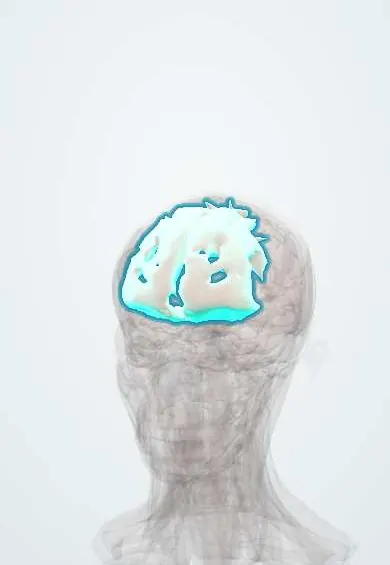
Representative model, for educational purposes only.