Conditions · Infectious and tropical diseases
Plague !
Plague is a severe bacterial infection spread by rodent fleas that causes painful swollen lymph nodes, blood infection or a fast, deadly pneumonia.
Updated 2026-11-01
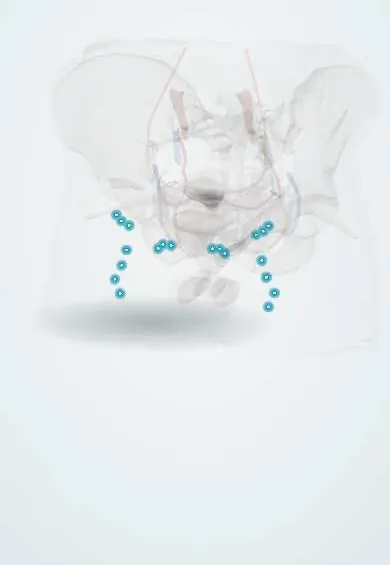
Structures involved
Tap one to see what it is and open it in 3D.
Microorganisms that cause it
Why it happens
- How septic shock develops
- Disseminated intravascular coagulation: how consumption causes both clots and bleeding
- The coagulation cascade
- Lymph node and spleen under the microscope
What it is
A zoonotic infection by Yersinia pestis that circulates among wild rodents and their fleas. It appears in three main forms: bubonic (painful swollen nodes called buboes), septicaemic (bacteria in the blood) and pneumonic (lung infection, which can spread between people).
Who gets it
Most current human cases are reported in Africa, especially Madagascar and the Democratic Republic of the Congo. In South America natural foci persist in the Andes, mainly in Peru and Bolivia, with past outbreaks in Ecuador and Brazil; rural cases there are linked to rodents in homes and crops. Colombia has no recognised natural foci. Plague is a notifiable disease under the International Health Regulations.
Causes
- Yersinia pestis, a Gram-negative coccobacillus with bipolar ("safety pin") staining
- Reservoir in wild and domestic rodents; vector is the rodent flea
- Transmission by flea bite, handling infected animals or tissues, or inhaling droplets from a person or animal with pneumonic plague
- Incubation about 2 to 8 days for bubonic plague and as short as 1 day after inhalation
Risk factors
- Living or working in rural homes with rodent infestation in endemic Andean areas
- Hunting, skinning or handling rodents and other wild animals
- Contact with sick cats or other pets that hunt rodents
- Close contact with a patient with pneumonic plague
- Laboratory work with the organism
Pathophysiology
After a flea bite the bacteria travel to the nearest lymph nodes, where they resist phagocytosis through capsule and secretion system proteins and multiply rapidly. The nodes become haemorrhagic, necrotic and very painful (buboes). Spread into the blood causes endotoxin-driven sepsis with disseminated intravascular coagulation and small-vessel thrombosis that can blacken fingers, toes and nose. Seeding of the lungs produces secondary pneumonic plague, which can then be spread by droplets.
Classification
- Bubonic: fever with a painful bubo, usually in the groin, armpit or neck
- Septicaemic: bacteraemia and shock, with or without a bubo
- Pneumonic: primary (inhaled) or secondary (from blood spread); the only form spread person to person
- Less common: pharyngeal and meningeal plague
Symptoms and signs
- Sudden fever, chills, headache and marked weakness
- Extremely tender, swollen lymph node (bubo) with surrounding oedema, most often in the groin
- Abdominal pain, nausea, vomiting and diarrhoea in septicaemic disease
- Rapidly progressive pneumonia with cough, chest pain, dyspnoea and bloody or watery sputum
- Purpura, bleeding and dark, dying skin on the fingers, toes and nose
Diagnosis
- Clinical
- Suspected from fever with a painful bubo or fulminant pneumonia after rodent or flea exposure in an endemic area. Antibiotics start at once without waiting for laboratory results, and the public health authority is notified.
- Tests
- Gram, Wright or Wayson stain and culture of bubo aspirate, blood or sputum; rapid antigen (F1) dipstick test; PCR; paired serology. Blood tests may show leukocytosis, thrombocytopenia and coagulation abnormalities.
- Imaging
- Chest radiograph in pneumonic plague: bilateral, rapidly progressive infiltrates, sometimes cavitation or effusion.
Differential diagnosis
- Tularaemia (ulcer at the entry site, slower course)
- Bacterial lymphadenitis (staphylococcal or streptococcal)
- Cat-scratch disease or incarcerated inguinal hernia for an inguinal mass
- Severe community-acquired pneumonia or inhalational anthrax
- Leptospirosis, rickettsial infection or meningococcal sepsis
Goal of treatment
Give effective antibiotics within hours of suspicion, support circulation and breathing, isolate pneumonic cases and protect contacts.
Treatment
- Acute
- Immediate antibiotics: an aminoglycoside (gentamicin or streptomycin) or a fluoroquinolone (ciprofloxacin, levofloxacin or moxifloxacin); a tetracycline (doxycycline) is an option for bubonic disease.
- Acute
- Intensive care for septic shock, DIC and respiratory failure: fluids, vasopressors and ventilatory support.
- Follow-up
- Droplet precautions for pneumonic plague until about 48 hours of effective treatment and clinical improvement; buboes are not incised early, only aspirated for diagnosis.
- Medical
- Antibiotic post-exposure prophylaxis (a fluoroquinolone or doxycycline) for close contacts of pneumonic cases and people exposed to infected tissues.
Complications
- Septic shock and disseminated intravascular coagulation
- Acral gangrene needing amputation
- Acute respiratory distress syndrome
- Meningitis
- Death, especially in untreated pneumonic and septicaemic plague
Prognosis
Untreated bubonic plague kills roughly a third to more than half of patients, and untreated pneumonic or septicaemic plague is almost always fatal. With early antibiotics most patients survive.
Prevention
- Rodent control and storing grain away from living areas
- Flea control in homes and pets
- Avoid handling dead animals
- Prompt case reporting, isolation and contact prophylaxis
Test yourself
Think of the answer, then tap the question to see it.
What is a bubo?
A very painful, swollen, often haemorrhagic lymph node, typical of bubonic plague.
Which form of plague spreads from person to person?
Pneumonic plague, through respiratory droplets.
Where in South America does plague still occur?
In Andean foci, mainly Peru and Bolivia.
Should treatment wait for culture results?
No. Antibiotics (aminoglycoside or fluoroquinolone) start as soon as plague is suspected.
Related conditions
- Tularaemia
- Sepsis and septic shock
- Disseminated intravascular coagulation
- Community-acquired pneumonia
- Acute respiratory distress syndrome (ARDS)
- Bacterial meningitis
- Anthrax
- Leptospirosis
Educational information, not medical advice. For any symptom, see a health professional.
Sources: Plague (World Health Organization, 2022); Signs and Symptoms of Plague | Plague | CDC (Centers for Disease Control and Prevention, 2024); Clinical Care of Plague | Plague | CDC (Centers for Disease Control and Prevention, 2024).
Spotted a mistake?We are always improving for the community. Tell us what is wrong and our team will review it.Report a mistake
Representative model, for educational purposes only.