
Preseptal (periorbital) cellulitis
An eyelid infection in front of the orbital septum: a red, swollen lid with normal vision and eye movements, treated with oral antibiotics and close review.
Quick facts
- Key signs
- Red · Difficulty opening the eye because
- Diagnosis
- Clinical
Red flags ↓
No doses: the clinician sets them by the current guideline.
What it is
A bacterial infection of the eyelid and periorbital soft tissues in front of the orbital septum. It is much more common and less dangerous than orbital cellulitis, from which it must be told apart: in preseptal cellulitis vision, pupils and eye movements are normal and there is no proptosis.
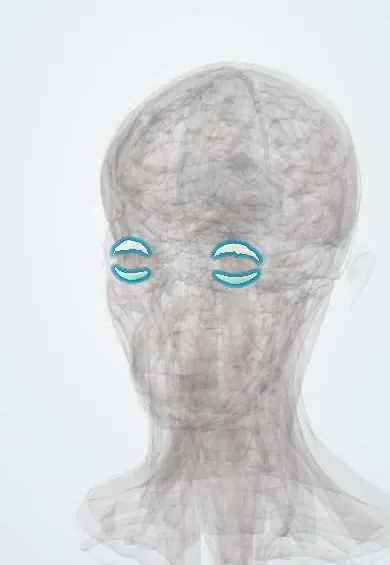
See it in 3D
Who gets it
Most common in children under 5, often after a skin injury, insect bite, stye or upper respiratory infection.
Causes
- Skin breaks: insect bites, scratches, wounds
- Spread from a stye, chalazion or dacryocystitis
- Spread from sinusitis or a respiratory infection
- Staphylococci and streptococci are the usual bacteria
Risk factors
- Young age
- Recent eyelid trauma or bite
- Sinusitis
- Lid infections
- Incomplete vaccination (Haemophilus influenzae type b)
Pathophysiology
Bacteria enter the lid tissues through the skin or from neighbouring infections. The orbital septum, a fibrous sheet from the orbital rim to the tarsus, keeps the infection out of the orbit, so the eye itself and its muscles remain unaffected.
Symptoms and signs
- Red, warm, swollen and tender eyelid
- Difficulty opening the eye because of swelling
- Mild fever in some children
- Normal vision and painless eye movements
Diagnosis
- Clinical
- Clinical diagnosis. The key is to check vision, pupils, eye movements and the position of the eye; opening the swollen lid may need help in children.
- Tests
- Blood tests and cultures in unwell children; culture of any discharge.
- Imaging
- Contrast CT of the orbits and sinuses if orbital involvement cannot be excluded clinically or there is no improvement.
Differential diagnosis
- Orbital cellulitis
- Allergic lid swelling (itchy, not tender)
- Insect bite reaction
- Dacryocystitis
- Chalazion or stye
Goal of treatment
Cure the infection and detect any spread to the orbit early.
Treatment
- Medical
- Oral antibiotics active against staphylococci and streptococci, with review within 24 to 48 hours.
- Acute
- Admission and intravenous antibiotics for young infants, unwell children or failure of oral treatment.
- Conservative
- Warm compresses and treatment of the source (stye, bite, sinusitis).
Complications
- Spread to the orbit (orbital cellulitis)
- Lid abscess
- Rarely, cavernous sinus thrombosis or meningitis if it progresses
Prognosis
Excellent with timely treatment.
Prevention
- Complete Haemophilus influenzae type b vaccination
- Early treatment of lid infections and sinusitis
Test yourself
Think of the answer, then tap the question to see it.
Which findings are normal in preseptal but not in orbital cellulitis?
Vision, pupils, eye movements and eye position (no proptosis).
What structure keeps preseptal cellulitis out of the orbit?
The orbital septum.
When is imaging needed in periorbital swelling?
When orbital involvement cannot be excluded clinically or there is no improvement on treatment.
Why it happens
In ENT
Connections
Educational information, not medical advice. For any symptom, see a health professional.
Sources: Periorbital Cellulitis (StatPearls Publishing (NCBI Bookshelf), 2025); Orbital Cellulitis (StatPearls Publishing (NCBI Bookshelf), 2026).
Spotted a mistake?We are always improving for the community. Tell us what is wrong and our team will review it.Report a mistake
Representative model, for educational purposes only.