Acute rhinosinusitis !
Acute sinusitis is short-lived inflammation of the nose and sinuses, with a blocked nose, thick mucus and facial pain; most cases are viral.
Updated 2026-10-29
Structures involved
Tap one to see what it is and open it in 3D.
- Maxillary sinus
- Ethmoid cells
- Frontal sinus
- Sphenoid sinus
- Nasal cavity
- Inferior nasal conchae
- Nasal septum
- Cavernous sinus
Microorganisms that cause it
Why it happens
- Patterns of acute inflammation: serous, fibrinous, purulent, abscess, ulcer
- Airway defenses, cough and mucociliary clearance
- The airway: from nose to bronchioles
What it is
Inflammation of the nose and paranasal sinuses lasting less than 4 weeks, with blocked nose or purulent discharge plus facial pain or reduced smell. Most cases are viral; a small minority become bacterial.
Who gets it
Very common in adults and children, mostly as part of the common cold. It is one of the leading reasons for antibiotic prescribing in primary care, much of it unnecessary.
Causes
- Respiratory viruses (rhinovirus and others): most cases
- Bacterial: Streptococcus pneumoniae, Haemophilus influenzae, Moraxella catarrhalis
- Dental infection spreading to the maxillary sinus
- Fungal invasive sinusitis in immunocompromised or poorly controlled diabetic patients (rare)
Risk factors
- Viral upper respiratory infection
- Allergic rhinitis and asthma
- Smoking or second-hand smoke
- Septal deviation, nasal polyps, enlarged adenoids
- Dental infection or dental procedures
- Immunodeficiency, cystic fibrosis
Pathophysiology
Mucosal swelling blocks the narrow ostia through which the sinuses drain into the nasal cavity, mostly the ostiomeatal complex. Mucus stagnates, ciliary clearance fails and oxygen falls, which allows secondary bacterial growth. Thin bony walls next to the orbit and the anterior cranial fossa explain the dangerous spread.
Classification
- Acute: under 4 weeks
- Subacute: 4–12 weeks
- Chronic: over 12 weeks
- Recurrent acute: several distinct episodes per year with full recovery between them
- By cause: viral or bacterial
Symptoms and signs
- Nasal obstruction or congestion
- Purulent (coloured) nasal or postnasal discharge
- Facial pain, pressure or fullness, worse bending forward
- Reduced or lost sense of smell
- Fever, cough, ear fullness, upper tooth pain
- Bacterial suspected: symptoms beyond about 10 days without improvement, severe onset, or worsening after initial improvement («double worsening»)
Diagnosis
- Clinical
- Clinical: blocked nose or purulent discharge plus facial pain or reduced smell. Duration and course separate viral from bacterial: persistence beyond about 10 days, severe onset or double worsening suggest bacterial infection. Anterior rhinoscopy or endoscopy may show pus at the middle meatus.
- Tests
- Usually none. Endoscopically guided culture in treatment failure, complications or immunocompromise. Inflammatory markers are not routine.
- Imaging
- Plain X-rays are not recommended. Contrast CT of the sinuses and orbits when orbital or intracranial complications are suspected; MRI for intracranial spread. CT is also used before surgery.
Differential diagnosis
- Common cold (viral upper respiratory infection)
- Allergic rhinitis
- Dental abscess
- Migraine or tension-type headache
- Nasal foreign body in a child (one-sided foul discharge)
- Invasive fungal sinusitis or a sinonasal tumour
Goal of treatment
Relieve symptoms, avoid unnecessary antibiotics in viral cases, treat true bacterial infection and recognise complications early.
Treatment
- Conservative
- Saline nasal irrigation, analgesics (paracetamol class, NSAIDs) and rest; most cases settle in 7–10 days.
- Medical
- Intranasal corticosteroids reduce mucosal swelling, especially with an allergic background. Topical decongestants only for a few days (rebound congestion). Antihistamines help only if allergic.
- Follow-up
- In uncomplicated suspected bacterial sinusitis in adults, watchful waiting with follow-up is an accepted option in many guidelines.
- Medical
- Antibiotics for bacterial sinusitis that is severe, persistent or worsening: aminopenicillins with or without a beta-lactamase inhibitor first line; alternatives in allergy.
- Acute
- Orbital or intracranial complications: admission, intravenous antibiotics, ophthalmology and neurosurgery review, and surgical drainage of abscesses.
Drugs for this condition
Complications
- Preseptal and orbital cellulitis, subperiosteal or orbital abscess
- Vision loss from optic nerve compression
- Meningitis, epidural or subdural empyema, brain abscess
- Cavernous sinus thrombosis
- Frontal bone osteomyelitis (Pott puffy tumour)
- Chronic rhinosinusitis
Prognosis
Viral sinusitis resolves on its own in most people, usually within 10 days. Bacterial sinusitis also often resolves without antibiotics. Complications are rare but can threaten vision and life, mostly in children and adolescents.
Prevention
- Hand hygiene to reduce colds
- Not smoking
- Treating allergic rhinitis
- Influenza and pneumococcal vaccination as per schedule
Test yourself
Think of the answer, then tap the question to see it.
Which clinical patterns suggest bacterial rather than viral acute sinusitis?
Symptoms beyond about 10 days without improvement, a severe onset with high fever and purulent discharge, or worsening after initial improvement («double worsening»).
Why can ethmoid sinusitis spread to the orbit?
The lamina papyracea, the thin bony wall between the ethmoid cells and the orbit, lets infection pass easily.
Which signs suggest orbital complications of sinusitis?
Proptosis, painful or limited eye movement, double vision and reduced visual acuity.
What imaging is done when complicated sinusitis is suspected?
Contrast CT of the sinuses and orbits; MRI if intracranial spread is suspected. Plain X-rays are not useful.
Which intracranial venous complication can follow sphenoid or ethmoid sinusitis?
Cavernous sinus thrombosis, with headache, proptosis, ophthalmoplegia and fever.
Related conditions
- Acute otitis media
- Asthma
- Bacterial meningitis
- Allergic rhinitis
- Migraine
- Streptococcal pharyngitis
- Orbital cellulitis
Educational information, not medical advice. For any symptom, see a health professional.
Sources: Acute Sinusitis (StatPearls (NCBI Bookshelf), 2025).
Spotted a mistake?We are always improving for the community. Tell us what is wrong and our team will review it.Report a mistake
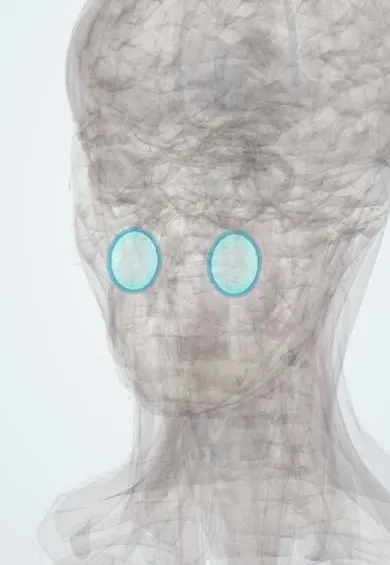
Representative model, for educational purposes only.