Urinary tract infection (acute cystitis) !
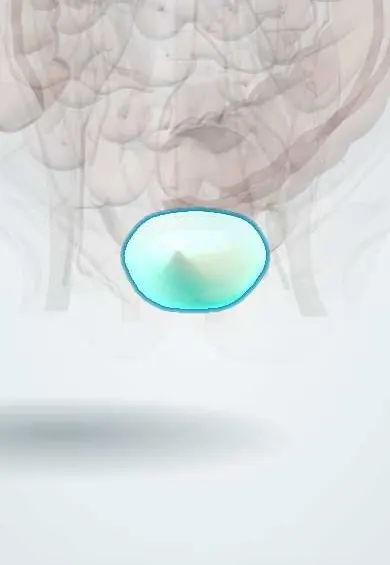
A urinary tract infection (cystitis) is a bacterial infection of the bladder, causing burning and frequent urination; it is very common in women.
Updated 2026-10-29
Structures involved
Tap one to see what it is and open it in 3D.
In biochemistry
Microorganisms that cause it
- Enterobacter, Serratia and Citrobacter
- Escherichia coli
- Klebsiella pneumoniae
- Proteus mirabilis
- Acinetobacter baumannii
- Staphylococcus saprophyticus
- Enterococcus
In histology
In embryology
- Horseshoe kidney and renal ectopia
- Duplicated ureter, UPJ obstruction and posterior urethral valves
- Urachal anomalies: patent urachus, cyst and sinus
In the clinical exam
Why it happens
- Patterns of acute inflammation: serous, fibrinous, purulent, abscess, ulcer
- Micturition and the bladder reflex
What it is
Bacterial infection of the lower urinary tract with inflammation of the bladder (cystitis), most often from E. coli ascending through the urethra. It is very common in women because the female urethra is short.
Who gets it
One of the most common bacterial infections in women; many have at least one episode in life and recurrences are frequent. E. coli resistance to common oral antibiotics is rising in Latin America, so local resistance data guide the choice.
Causes
- Uropathogenic Escherichia coli (most cases)
- Staphylococcus saprophyticus (young women)
- Klebsiella, Proteus and Enterococcus
- A wider range of organisms, including resistant ones, in complicated infections
Risk factors
- Female sex (short urethra close to the perineum)
- Sexual intercourse and spermicide use
- Previous UTIs
- Pregnancy
- Low oestrogen after menopause
- Diabetes, catheters, urinary obstruction or incomplete emptying
Pathophysiology
Bacteria from the perineum colonise the periurethral area and ascend the urethra into the bladder, where fimbriae help them stick to the urothelium. Inflammation causes burning, urgency and frequency. If bacteria climb the ureters to the kidney, the infection becomes pyelonephritis (upper UTI).
Classification
- Lower UTI (cystitis) or upper UTI (pyelonephritis)
- Uncomplicated: healthy, non-pregnant women with a normal urinary tract; complicated: pregnancy, men, anomalies, catheters, immunosuppression (definitions vary)
- Recurrent UTI: commonly two or more in six months or three or more in a year
- Asymptomatic bacteriuria: not an infection to treat, except in pregnancy or before urological procedures
Symptoms and signs
- Burning or pain on urination (dysuria)
- Frequency and urgency
- Suprapubic pain or discomfort
- Blood in the urine
- Cloudy or foul-smelling urine
- Usually no fever in simple cystitis
Diagnosis
- Clinical
- In a non-pregnant woman with typical symptoms and no vaginal discharge, the diagnosis can be clinical.
- Tests
- Urine dipstick (leucocyte esterase, nitrites) and urinalysis; urine culture in complicated, recurrent, pregnancy, atypical or treatment-failure cases.
- Imaging
- Not needed in uncomplicated cystitis; ultrasound or CT when complicated, recurrent with suspected anomaly, stones or obstruction.
Differential diagnosis
- Vaginitis (candidiasis, trichomoniasis)
- Urethritis from chlamydia or gonorrhoea
- Pyelonephritis
- Bladder pain syndrome (interstitial cystitis)
- Urinary stones
- Pelvic inflammatory disease
Goal of treatment
Relieve symptoms, clear the infection and stop it reaching the kidneys, while avoiding unnecessary antibiotics and resistance.
Treatment
- Medical
- Short course of an oral antibiotic chosen by local resistance; first-line options include nitrofurans, fosfomycin or folate-pathway inhibitors; fluoroquinolones are kept for other uses.
- Medical
- Complicated UTI: culture-guided antibiotics, longer courses and correction of the underlying cause (obstruction, catheter).
- Conservative
- Simple analgesics and adequate fluids for symptom relief.
- Medical
- Recurrent UTI: vaginal oestrogen after menopause, non-antibiotic measures, or antibiotic prophylaxis in selected cases.
- Lifestyle
- Good fluid intake, avoiding spermicides and not delaying urination.
Drugs for this condition
- Amoxicillin + clavulanic acid
- Ampicillin
- Cefalexin
- Cefazolin
- Ceftazidime
- Cefixime
- Cefotaxime
- Colistin (colistimethate)
- Ciprofloxacin
- Nitrofurantoin
- Sulfamethoxazole + trimethoprim (co-trimoxazole)
- Fosfomycin
- Trimethoprim
- Methenamine
Complications
- Pyelonephritis
- Urosepsis
- Recurrent infection
- In pregnancy: pyelonephritis and preterm birth
- Antibiotic resistance and Clostridioides difficile infection
Prognosis
Uncomplicated cystitis usually settles within days with treatment, and sometimes on its own. Recurrences are common but rarely damage the kidneys when the urinary tract is normal.
Prevention
- Good fluid intake
- Avoiding spermicides
- Vaginal oestrogen after menopause in recurrent UTI
- Screening and treating asymptomatic bacteriuria in pregnancy
Test yourself
Think of the answer, then tap the question to see it.
What is the most common cause of acute cystitis?
Uropathogenic Escherichia coli.
How does an upper UTI differ from a lower UTI?
Upper UTI (pyelonephritis) involves the kidney, with fever, flank pain and costovertebral tenderness; lower UTI (cystitis) stays in the bladder.
When is asymptomatic bacteriuria treated?
In pregnancy and before urological procedures that breach the mucosa.
Which dipstick findings support a UTI?
Positive leucocyte esterase and nitrites; nitrites come from gram-negative bacteria such as E. coli.
Why are women more prone to UTIs than men?
Their urethra is short and close to the perineum, so bacteria reach the bladder easily.
Related conditions
- Pelvic inflammatory disease
- Acute pyelonephritis
- Acute (viral) gastroenteritis
- Dysmenorrhoea
- Trichomoniasis
- Pelvic organ prolapse
- Stress urinary incontinence
- Bladder cancer
Educational information, not medical advice. For any symptom, see a health professional.
Sources: Acute Cystitis (StatPearls (NCBI Bookshelf), 2025).
Spotted a mistake?We are always improving for the community. Tell us what is wrong and our team will review it.Report a mistake
Representative model, for educational purposes only.