Conditions · Metabolism (biochemistry)
Respiratory alkalosis !
Over-breathing removes too much CO₂ and the blood turns alkaline; anxiety, pain, hypoxaemia, sepsis and pulmonary embolism cause it.
Updated 2026-11-01
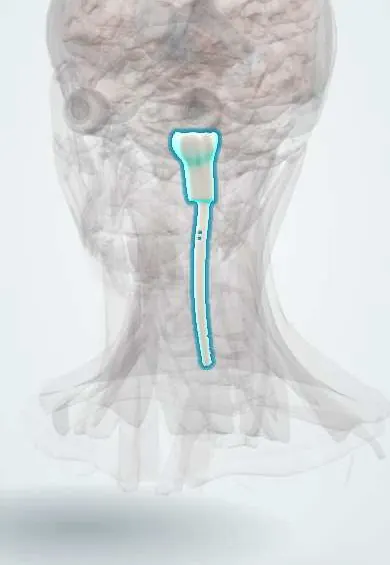
Structures involved
Tap one to see what it is and open it in 3D.
In biochemistry
In physiology
- High altitude and acclimatization
- Reading an arterial blood gas step by step
- Respiratory acidosis and alkalosis
- Mixed acid–base disorders
- CO₂ transport and the Haldane effect
- Control of breathing, chemoreceptors and lung reflexes
What it is
A primary fall in pCO₂ (hypocapnia) from hyperventilation, with a rise in pH; acute or chronic and kidney-compensated.
Who gets it
It is very common in emergency and hospital patients; it is also normal in pregnancy and in people living at high altitude, as in Bogotá and other Andean cities.
Causes
- Hypoxaemia: pneumonia, pulmonary embolism, asthma, altitude, heart failure
- Central drive: anxiety and panic attacks, pain, fever, early sepsis, stroke, salicylates
- Hormonal: pregnancy (progesterone), hyperthyroidism
- Cirrhosis (ammonia and other substances stimulate the respiratory centre)
- Excessive mechanical ventilation
Risk factors
- Rapid ascent to high altitude
- Anxiety disorders
- Acute lung disease
- Sepsis
Pathophysiology
Alveolar ventilation exceeds CO₂ production, pCO₂ falls and pH rises. Within hours cell buffers release H⁺ (HCO₃⁻ falls about 2 mmol/L per 10 mmHg); over days the kidney excretes bicarbonate (a fall of 4–5 per 10 mmHg). Hypocapnia causes cerebral vasoconstriction (dizziness, blurred vision) and alkalaemia increases calcium binding to albumin, lowering ionised calcium: perioral and hand paraesthesia, carpopedal spasm. High pH shifts potassium and phosphate into cells.
Classification
- Acute: high pH with near-normal HCO₃⁻
- Chronic: near-normal pH with low HCO₃⁻ (pregnancy, altitude, cirrhosis)
Symptoms and signs
- Fast breathing or frequent sighing
- Dizziness, feeling faint
- Tingling around the mouth and in hands and feet
- Cramps or carpopedal spasm
- Palpitations, atypical chest pain
Diagnosis
- Clinical
- Look first for organic causes (hypoxaemia, sepsis, embolism, salicylates) before attributing it to anxiety.
- Tests
- Arterial gases (low pCO₂, high pH), alveolar–arterial oxygen gradient, electrolytes and ionised calcium, salicylate levels, pregnancy test, D-dimer by probability.
- Imaging
- Chest X-ray; CT pulmonary angiography if embolism is suspected.
Treatment
- Medical
- Treat the cause: oxygen in hypoxaemia, antibiotics in sepsis, anticoagulation in pulmonary embolism
- Conservative
- In an anxiety attack: reassurance, slow-breathing coaching, after ruling out other causes (paper-bag rebreathing is not advised because of hypoxaemia risk)
- Procedure
- On mechanical ventilation: adjust rate and volume
- Follow-up
- Monitoring of gases and electrolytes in severe cases
Complications
- Tetany and seizures
- Arrhythmias
- Cerebral or coronary ischaemia from vasoconstriction in extreme cases
Prognosis
Depends on the cause: benign in a panic attack, serious if it reflects sepsis or pulmonary embolism.
Test yourself
Think of the answer, then tap the question to see it.
Why does respiratory alkalosis cause tingling and carpopedal spasm?
High pH increases calcium binding to albumin and lowers ionised calcium, which excites nerves.
Which serious cause of hyperventilation must not be mistaken for anxiety?
Pulmonary embolism (also early sepsis, pneumonia or salicylate poisoning).
How much does HCO₃⁻ fall in chronic respiratory alkalosis?
About 4–5 mmol/L per 10 mmHg fall in pCO₂, through renal bicarbonate excretion.
In which normal state is there chronic respiratory alkalosis?
Pregnancy, driven by progesterone, and living at high altitude.
Related conditions
- Respiratory acidosis
- Pulmonary embolism
- Sepsis and septic shock
- Asthma
- Cirrhosis
- Community-acquired pneumonia
Educational information, not medical advice. For any symptom, see a health professional.
Sources: Respiratory alkalosis: MedlinePlus Medical Encyclopedia (MedlinePlus, US National Library of Medicine, 2026); Arterial Blood Gas (ABG) Test: MedlinePlus Medical Test (MedlinePlus, US National Library of Medicine, 2026); Textbook of Biochemistry for Medical Students, 6th ed. (Jaypee Brothers Medical Publishers (Vasudevan DM, Sreekumari S, Vaidyanathan K), 2011).
Spotted a mistake?We are always improving for the community. Tell us what is wrong and our team will review it.Report a mistake
Representative model, for educational purposes only.