
Trichiasis and distichiasis
Lashes that grow toward the eye and rub the cornea, from scarring (trichiasis) or an extra row of lashes (distichiasis).
What it is
Trichiasis is misdirection of normally placed lashes toward the eye, usually after scarring of the lid margin. Distichiasis is an extra row of lashes growing from the meibomian gland openings, congenital or acquired. Both rub the cornea, causing irritation, abrasions and, in trachoma, blinding scars.
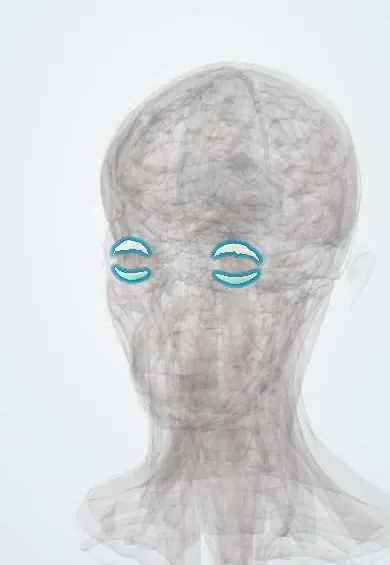
See it in 3D
Who gets it
Trichiasis is common, especially in older adults with chronic blepharitis; trachomatous trichiasis is a leading preventable cause of blindness in endemic areas. Congenital distichiasis is rare and can be part of lymphoedema-distichiasis syndrome.
Causes
- Trichiasis: chronic blepharitis, trachoma, herpes zoster
- Trichiasis: cicatrising conjunctivitis (mucous membrane pemphigoid, Stevens-Johnson syndrome), chemical burns, trauma, surgery
- Congenital distichiasis: isolated or with lymphoedema (FOXC2 gene, autosomal dominant)
- Acquired distichiasis: chronic inflammation causing metaplasia of the meibomian glands
Risk factors
- Living in trachoma-endemic areas
- Chronic blepharitis
- Cicatrising diseases of the conjunctiva
- Previous lid trauma or surgery
Pathophysiology
Scarring of the posterior lid margin redirects lash follicles so lashes point at the globe. In distichiasis, meibomian glands transform into hair follicles, so fine lashes emerge from the gland orifices behind the normal row. Constant contact abrades the corneal epithelium, causing erosions, infection risk, vascularisation and scarring.
Classification
- Trichiasis: segmental or diffuse
- Distichiasis: congenital or acquired
- Different from entropion, in which the whole lid margin turns in
Symptoms and signs
- Foreign-body sensation and pain on blinking
- Watering and redness
- Light sensitivity
- Blurred vision if the cornea is scarred
Diagnosis
- Clinical
- Slit-lamp examination of lash direction and origin, lid margin position and conjunctival scarring; fluorescein to show corneal staining.
- Tests
- Conjunctival biopsy with immunofluorescence when mucous membrane pemphigoid is suspected; chlamydial testing in active trachoma.
- Imaging
- Not usually needed; lymphoscintigraphy if lymphoedema is suspected.
Differential diagnosis
- Entropion
- Epiblepharon in children
- Blepharitis or dry eye
- Conjunctival foreign body
Lashes rubbing the eye: where the lash comes from
| Feature | Trichiasis | Distichiasis | Entropion | Epiblepharon |
|---|---|---|---|---|
| Lid margin | Normal position | Normal position | Whole margin turned in | Normal; a fold of skin and muscle pushes the lashes up |
| Lash origin | Normal lash row, misdirected | Extra row from the meibomian gland openings | Normal lashes carried in by the margin | Normal lashes turned vertical |
| Typical patient | Older adult with blepharitis, trachoma or a scarring disease | Congenital (FOXC2, lymphoedema) or after chronic inflammation | Older adult (involutional) or after scarring | Young child, lower lid, often East Asian |
| Treatment | Epilation, follicle ablation; lid rotation if trachomatous | Lid splitting with follicle excision, or ablation | Lid tightening or rotation surgery | Often improves with growth; surgery if the cornea is damaged |
Goal of treatment
Stop lashes from touching the eye, protect the cornea and treat the underlying cause.
Treatment
- Conservative
- Lubricants and epilation with forceps for a few lashes (they regrow in weeks); bandage contact lens for temporary protection.
- Procedure
- Electrolysis, radiofrequency ablation, laser or cryotherapy to destroy individual or segmental follicles.
- Surgical
- Lid margin rotation surgery (bilamellar tarsal rotation) for trachomatous trichiasis; lid splitting with excision of the abnormal follicles for distichiasis.
Complications
- Corneal abrasion and ulceration
- Corneal scarring and blindness (trachoma)
- Lid notching or scarring after ablation
- Recurrence
Common traps
- Trichiasis and entropion are the same thing: in trichiasis the lid margin is in its normal position and only the lashes are misdirected; in entropion the whole margin turns in and needs lid surgery
- Pulling out the lash cures it: epilation leaves the follicle, so the lash regrows within weeks as a stiffer stub that can scratch more
- Distichiasis is simply trichiasis with more lashes: distichiasis lashes grow from the meibomian gland openings behind the normal row, a separate developmental or metaplastic problem
- Trichiasis in an adult from a trachoma-endemic area is only a nuisance: trachomatous trichiasis is the blinding stage of trachoma and needs lid rotation surgery within the WHO SAFE strategy
- Bilateral trichiasis with conjunctival scarring is just old blepharitis: progressive scarring suggests mucous membrane pemphigoid or Stevens-Johnson syndrome, so conjunctival biopsy with immunofluorescence is considered
Prognosis
Good for isolated lashes with definitive ablation, though recurrence is common; prognosis in cicatrising disease depends on controlling the underlying disease.
Prevention
- WHO SAFE strategy for trachoma: surgery, antibiotics, facial cleanliness, environmental improvement
- Control of chronic blepharitis
Test yourself
Think of the answer, then tap the question to see it.
An older woman from a rural trachoma-endemic area has lashes rubbing a hazy cornea and scarring of the upper tarsal conjunctiva. What is the diagnosis and the definitive treatment?
Trachomatous trichiasis, the blinding stage of trachoma. Definitive treatment is lid rotation surgery (bilamellar tarsal rotation), within the WHO SAFE strategy.
Lashes are rubbing a patient's eye. How do you tell trichiasis from entropion at the slit lamp?
Look at the lid margin: if it sits in its normal position and only some lashes point inward, it is trichiasis; if the whole margin rolls inward, it is entropion.
A teenager has a second row of fine lashes from the meibomian orifices and swollen legs. Which syndrome and which gene?
Lymphoedema-distichiasis syndrome, caused by FOXC2 mutations (autosomal dominant).
A patient whose misdirected lashes were pulled out last month returns with worse pain. Why?
Epilation does not destroy the follicle, so the lash regrew as a short, stiff stub that scratches the cornea more.
Connections
Educational information, not medical advice. For any symptom, see a health professional.
Sources: Trichiasis (EyeWiki, American Academy of Ophthalmology, 2026); Distichiasis (EyeWiki, American Academy of Ophthalmology, 2026).
Spotted a mistake?We are always improving for the community. Tell us what is wrong and our team will review it.Report a mistake
Representative model, for educational purposes only.