Herpes zoster (shingles) !
Shingles (herpes zoster) is a painful blistering rash in a band on one side of the body, caused by the chickenpox virus waking up in a nerve.
Updated 2026-10-30
Structures involved
Tap one to see what it is and open it in 3D.
Microorganisms that cause it
In the clinical exam
In physiology
Why it happens
- Innate and adaptive immunity: overview
- Peripheral nerve: endoneurium, perineurium, epineurium; myelin
What it is
Painful vesicular rash in one dermatome caused by reactivation of varicella-zoster virus that has stayed dormant in a sensory ganglion since chickenpox.
Who gets it
Anyone who has had chickenpox can get it; risk rises sharply with age, especially after 50, and with weakened cellular immunity, including HIV in younger Latin American adults. A 2021 regional review found no general-population incidence studies; in higher-risk groups, rates ranged from 318 to 3,423 cases per 100,000 people per year.
Causes
- Reactivation of varicella-zoster virus latent in a dorsal root ganglion or cranial nerve ganglion
Risk factors
- Older age
- HIV infection
- Cancer, transplant, chemotherapy or immunosuppressive drugs, including corticosteroids
- Diabetes and chronic kidney disease
- Physical or emotional stress
Pathophysiology
After chickenpox, the virus stays latent in sensory ganglia. When cellular immunity falls, it reactivates and travels down the sensory nerve to the skin, causing ganglion and nerve inflammation and a rash in that dermatome. Nerve damage can cause pain that lasts after the rash heals.
Classification
- Thoracic zoster (the most common location)
- Herpes zoster ophthalmicus (first branch of the trigeminal nerve)
- Ramsay Hunt syndrome (geniculate ganglion: facial palsy with ear vesicles)
- Disseminated zoster (in immunosuppressed patients)
Symptoms and signs
- Prodrome of burning, tingling or itching pain in a band for a few days before the rash
- Clusters of vesicles on a red base in one dermatome, on one side, not crossing the midline
- Vesicles crust over in about one to two weeks
- Allodynia: pain with light touch
- Fever, headache and malaise in some patients
Diagnosis
- Clinical
- Usually clinical from the typical dermatomal rash and the pain before it.
- Tests
- PCR of vesicle fluid confirms it in atypical cases or immunosuppressed patients. HIV testing is considered, especially in younger adults.
Differential diagnosis
- Herpes simplex (zosteriform)
- Contact dermatitis
- Cellulitis or impetigo
- Before the rash: myocardial infarction, biliary colic, radiculopathy or kidney stones
Goal of treatment
Speed healing, control acute pain, protect the eye and other organs, and reduce the risk of postherpetic neuralgia.
Treatment
- Medical
- Oral antiviral drugs (nucleoside analogues), ideally started within 72 hours of rash onset, and later in older, immunosuppressed patients or with eye involvement; intravenous antivirals for severe or disseminated disease.
- Medical
- Pain control with analgesics; neuropathic pain drugs (gabapentinoids, tricyclic antidepressants) and topical agents for postherpetic neuralgia.
- Conservative
- Keeping lesions clean and covered; avoiding contact with pregnant women, newborns and immunosuppressed people who have not had chickenpox until lesions crust.
- Follow-up
- Urgent eye review for ophthalmic zoster, and follow-up for complications in immunosuppressed patients.
Drugs for this condition
Complications
- Postherpetic neuralgia (the most common complication, especially in older adults)
- Eye damage: keratitis, uveitis and vision loss
- Ramsay Hunt syndrome with facial palsy and hearing loss
- Bacterial skin infection and scarring
- Stroke, encephalitis or myelitis (rare)
Prognosis
The rash usually heals in a few weeks. Pain persisting for months after the rash (postherpetic neuralgia) is the main burden and is more frequent with age. Recurrence is possible.
Prevention
- Recombinant zoster vaccine for older adults and for immunosuppressed adults, as national schedules set
- Childhood varicella vaccination
Test yourself
Think of the answer, then tap the question to see it.
Where does varicella-zoster virus lie dormant before herpes zoster?
In sensory ganglia: dorsal root ganglia or cranial nerve ganglia.
What is the most common complication of herpes zoster?
Postherpetic neuralgia: pain that persists after the rash has healed, more common with age.
What is the Hutchinson sign?
Vesicles on the tip or side of the nose, which signal involvement of the nasociliary nerve and a high risk of eye involvement.
Within what time from rash onset are antivirals classically started for herpes zoster?
Within 72 hours, though they are also given later in older, immunosuppressed patients or with eye involvement.
Which syndrome combines facial palsy with vesicles in the ear?
Ramsay Hunt syndrome, from reactivation in the geniculate ganglion.
Related conditions
Educational information, not medical advice. For any symptom, see a health professional.
Sources: Herpes Zoster (StatPearls (NCBI Bookshelf), 2026); Herpes zoster epidemiology in Latin America: A systematic review and meta-analysis (PloS one, 2021) · adapted, CC BY 4.0.
Spotted a mistake?We are always improving for the community. Tell us what is wrong and our team will review it.Report a mistake
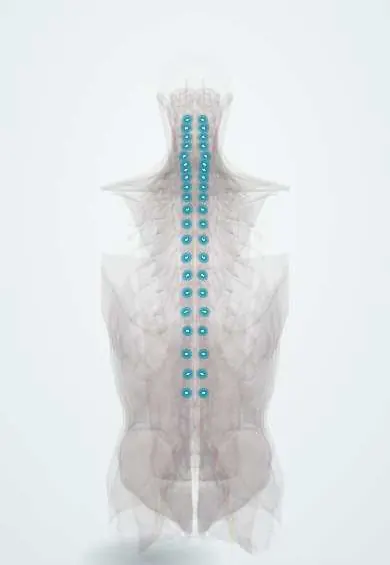
Representative model, for educational purposes only.