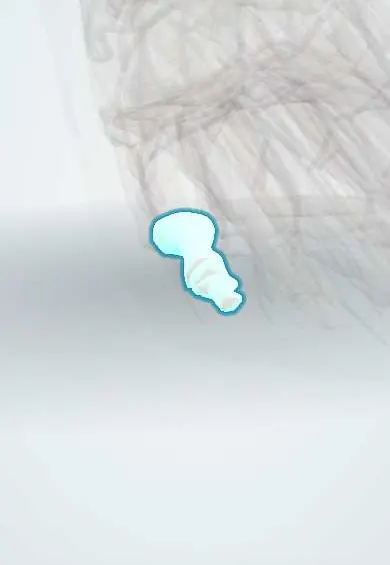
Little toe !
The little toe is the smallest, outermost toe; it helps with balance.
Opens in the Durgical app, no sign-up needed.
What it is
The little toe, made of small bones (phalanges). In many people its last two bones are joined into one.
What it does
The smaller toes help with balance and grip when you stand and walk.
Key facts
- Joints with
- Fifth metatarsal (MTP joint); interphalangeal joints (middle and distal phalanges often fused)
- Landmarks
- Three phalanges; abductor and flexor digiti minimi to proximal phalanx base; third plantar interosseous; FDL, FDB and extensors as other toes
Relations
- Behind
- Fifth metatarsal head
- Medial
- Fourth toe; the third plantar interosseous
- Lateral
- Abductor digiti minimi; the sural nerve supplies the skin of the lateral side
- Below
- Flexor digiti minimi brevis and the slips of flexor digitorum longus and flexor digitorum brevis; digital branches of the lateral plantar nerve
- Above
- Extensor digitorum longus tendon slip
How to find it
Its MTP joint lies over the head of the fifth metatarsal on the outer edge of the forefoot; the bunionette prominence, if present, is at this joint.
On imaging
Dorsoplantar and oblique foot views; the oblique separates the fifth toe best. A stubbing injury usually breaks the proximal phalanx. In congenital overlapping fifth toe the phalanges sit dorsal to and over the fourth. The same films include the base of the fifth metatarsal, a common fracture site after an inversion injury, which should not be missed when the complaint is the little toe.
Common problems
- Bunionette (tailor's bunion): a painful bump at its base.
- Fractures from stubbing the toe.
Clinical notes
- Hard corns (heloma durum) form on the dorsolateral side of its proximal interphalangeal joint from shoe pressure
- Sural nerve loss leaves numbness along the lateral border of the foot and the little toe, sparing most of the sole
- A tailor's bunion (bunionette) is a painful bump over the fifth metatarsal head, with the little toe drifting towards the fourth
Anatomical variants
- Its middle and distal phalanges are often fused (symphalangism), so many little toes have only one interphalangeal joint and show two phalanges on X-ray
Development
Extra toes (polydactyly) most often duplicate the little toe, on the outer (postaxial) border of the foot.
Test yourself
Think of the answer, then tap the question to see it.
Which dermatome covers the lateral border of the foot and the little toe?
S1; sensory loss here with a weak ankle jerk suggests an S1 root lesion.
Which lesser toe is fractured most often?
The little toe, usually from stubbing.
Which nerve supplies the skin of the lateral side of the little toe?
The sural nerve; its loss leaves numbness along the lateral border of the foot.
Educational information, not medical advice. For any symptom, see a health professional.
Its names
- Official Latin (TA2)
- digitus minimus pedis; phalanges pedis TA2 175
- Official Spanish (DeCS)
- Quinto dedo del pie DeCS D014034
- English (TA2)
- Little toe
- Also called
- fifth toe · fifth digit of foot · digit 5 of foot · phalangeal bones of foot
Related
- Fifth metatarsal
- Toe arteries
- Abductor digiti minimi
- Crural fascia
- Toe extensor tendons
- Flexor digiti minimi
- Flexor digitorum brevis
- Toe flexor tendon
Sources: Terminologia Anatomica (TA2); DeCS; Anatomy, Bony Pelvis and Lower Limb: Foot and Ankle.
Spotted a mistake?We are always improving for the community. Tell us what is wrong and our team will review it.Report a mistake
Representative model, for educational purposes only.