Conditions · Gastroenterology and hepatology
Clostridioides difficile infection !
A colon infection that causes watery diarrhoea, usually after antibiotics. Severe cases cause pseudomembranous colitis, toxic megacolon or death.
Updated 2026-11-01
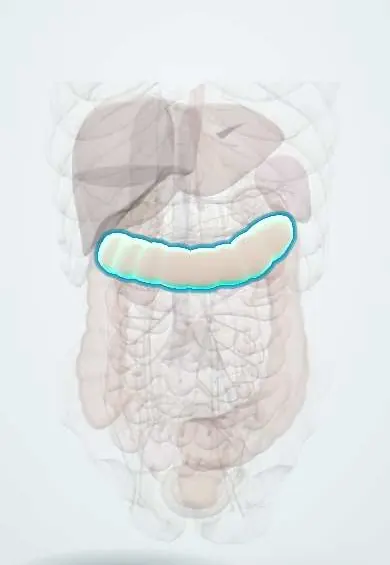
Structures involved
Tap one to see what it is and open it in 3D.
Microorganisms that cause it
Why it happens
- Patterns of acute inflammation: serous, fibrinous, purulent, abscess, ulcer
- Water and electrolyte absorption and how diarrhea happens
- Large intestine, appendix and anal canal
- Cell junctions: tight, adherens, desmosomes, gap, hemidesmosomes
What it is
Colitis caused by toxins of Clostridioides difficile, a spore-forming anaerobic gram-positive bacillus. It is the leading cause of healthcare-associated infectious diarrhoea and ranges from mild diarrhoea to fulminant pseudomembranous colitis.
Who gets it
A frequent healthcare-associated infection worldwide, also increasingly acquired in the community. Outbreaks, including hypervirulent strains, have been reported in hospitals in Latin America, where antibiotic use and stewardship programmes strongly influence its frequency.
Causes
- Toxin-producing Clostridioides difficile (toxins A and B)
- Faecal-oral spread of spores, which survive on surfaces and hands
- Recent antibiotic use that disrupts the normal colonic microbiota
Risk factors
- Antibiotics, especially clindamycin, fluoroquinolones, cephalosporins and broad-spectrum penicillins
- Hospitalisation or long-term care residence
- Age over 65
- Immunosuppression, chemotherapy and inflammatory bowel disease
- Gastric acid suppression (proton pump inhibitors)
Pathophysiology
Antibiotics reduce the bacteria and bile-acid metabolism that normally resist colonisation, letting ingested spores germinate. Toxins A and B glucosylate Rho GTPases in colonocytes, breaking down the cytoskeleton and tight junctions, which causes fluid secretion, inflammation and cell death. In severe cases plaques of fibrin, mucus and inflammatory cells form pseudomembranes on the colonic mucosa.
Classification
- Non-severe: diarrhoea without markers of severity
- Severe: white cell count of 15,000/µL or more, or creatinine above 1.5 mg/dL
- Fulminant: hypotension or shock, ileus or toxic megacolon
- Recurrent: return of symptoms within 8 weeks of a treated episode
Symptoms and signs
- Three or more unformed stools in 24 hours
- Crampy lower abdominal pain
- Fever
- Nausea and loss of appetite
- Sometimes blood in the stool
Diagnosis
- Clinical
- New, unexplained diarrhoea (three or more unformed stools in 24 hours), especially after antibiotics or a hospital stay. Only unformed stool is tested, and testing for cure is not recommended.
- Tests
- Stool nucleic acid amplification test (PCR) for toxin genes, or a multistep algorithm with glutamate dehydrogenase antigen plus toxin immunoassay. Blood count, creatinine, albumin and lactate assess severity.
- Imaging
- Abdominal X-ray or CT when severe or fulminant disease is suspected, to look for colonic wall thickening, toxic megacolon or perforation. Endoscopy shows pseudomembranes but is rarely needed.
Differential diagnosis
- Antibiotic-associated diarrhoea without C. difficile
- Other infectious diarrhoea (viral, Salmonella, Shigella, Campylobacter, amoebiasis)
- Flare of inflammatory bowel disease
- Ischaemic colitis
- Diarrhoea from laxatives or enteral feeding
Goal of treatment
Stop the inciting antibiotic when possible, eradicate the toxin-producing infection with oral therapy, support fluid balance, detect fulminant disease early and prevent recurrence and spread.
Treatment
- Medical
- Stop the inciting antibiotic if possible. Oral fidaxomicin or oral vancomycin is first line; oral metronidazole is an alternative only for mild cases when these are not available.
- Acute
- Fulminant disease: oral (or rectal) vancomycin plus intravenous metronidazole, fluids, intensive care and early surgical consultation.
- Surgical
- Colectomy or diverting loop ileostomy with colonic lavage for toxic megacolon, perforation or shock unresponsive to medical therapy.
- Procedure
- Faecal microbiota transplantation for multiple recurrences; a monoclonal antibody against toxin B (bezlotoxumab) has been used to reduce recurrence in high-risk patients.
- Follow-up
- Nursing care: contact precautions and a single room, hand washing with soap and water (alcohol gel does not kill spores), sporicidal cleaning, stool chart, fluid balance and skin care. Antimotility drugs are avoided.
Drugs for this condition
Complications
- Dehydration and electrolyte loss
- Acute kidney injury
- Toxic megacolon and colonic perforation
- Septic shock
- Recurrence (common after a first episode)
- Protein-losing enteropathy with hypoalbuminaemia
Prognosis
Most cases respond to oral therapy, but recurrence is common and each recurrence raises the risk of the next. Fulminant colitis carries high mortality, especially in older or frail patients.
Prevention
- Antibiotic stewardship: avoiding unnecessary or prolonged antibiotics
- Contact precautions and hand hygiene with soap and water
- Environmental cleaning with sporicidal agents
- Reviewing unnecessary proton pump inhibitors
Test yourself
Think of the answer, then tap the question to see it.
Which antibiotics are classically associated with C. difficile infection?
Clindamycin, fluoroquinolones, cephalosporins and broad-spectrum penicillins, though almost any antibiotic can cause it.
What is the first-line treatment for an initial episode?
Oral fidaxomicin or oral vancomycin, after stopping the inciting antibiotic if possible.
Why must staff wash hands with soap and water after caring for these patients?
Alcohol-based gels do not kill C. difficile spores; soap and water remove them mechanically.
Which laboratory markers define severe C. difficile infection?
White cell count of 15,000/µL or more or serum creatinine above 1.5 mg/dL.
What feared complication presents with abdominal distension and fewer stools?
Toxic megacolon (often with ileus), which can progress to perforation and shock.
Related conditions
- Acute (viral) gastroenteritis
- Ulcerative colitis
- Crohn disease
- Sepsis and septic shock
- Hypovolaemic shock
- Acute kidney injury
Educational information, not medical advice. For any symptom, see a health professional.
Sources: Pseudomembranous colitis: MedlinePlus Medical Encyclopedia (MedlinePlus (U.S. National Library of Medicine), 2026); About C. diff | C. diff | CDC (Centers for Disease Control and Prevention (CDC), 2026).
Spotted a mistake?We are always improving for the community. Tell us what is wrong and our team will review it.Report a mistake
Representative model, for educational purposes only.