Conditions · Systemic conditions
Iron deficiency anaemia !
Iron deficiency anaemia is a shortage of red blood cells because there is too little iron to make haemoglobin; it is the commonest anaemia in the world.
Updated 2026-10-30
Structures involved
Tap one to see what it is and open it in 3D.
In biochemistry
- Hemoglobin and 2,3-BPG
- Glycated haemoglobin (HbA1c)
- Balanced diet
- Centrifugation and ultracentrifugation
- Ferrochelatase
- Heme
- Protoporphyrin IX
- Iron metabolism
- Vitamin C (ascorbic acid)
- Iron
Microorganisms that cause it
In histology
- Blood cells on a smear: erythrocytes, leukocytes, platelets
- Hematopoiesis and bone marrow
- Small intestine: villi, crypts, enterocytes, Paneth cells; duodenum vs jejunum vs ileum
In the clinical exam
- Pallor, cyanosis and jaundice
- Digital clubbing and nail signs
- Mouth and pharynx examination
- Anemia syndrome
In physiology
- Anemia physiology and compensation
- Erythropoiesis and erythropoietin
- Body iron balance
- Blood glucose, glucose tolerance test and HbA1c
- Absorption of iron, calcium and vitamin B12
- Patterns of malabsorption
- Vitamins and minerals: a physiological overview
- Maternal physiological changes in pregnancy
- Oxygen transport and the dissociation curve
- Oxygenation: SpO₂, PaO₂, cyanosis and oxygen therapy
- Diffusion across the respiratory membrane and DLCO
- Oxygen content, delivery and extraction
Why it happens
- Severe acute malnutrition: marasmus and kwashiorkor
- Local effects of tumours and cancer cachexia
- Hemorrhage: petechiae, purpura, ecchymosis, hematoma, and what blood loss does
What it is
Anaemia caused by too little iron to make haemoglobin, so red cells become small (microcytic) and pale (hypochromic). It is the most common cause of anaemia in the world.
Who gets it
Most frequent in young children, adolescents, women of reproductive age and pregnant women. A 2019 review of 21 Latin American and Caribbean countries found anaemia from any cause in 32.93% of preschool and 17.49% of school-age children. It remains a public health problem in the region, including Colombia, linked to diet, poverty and parasites.
Causes
- Blood loss: heavy menstrual bleeding, gastrointestinal bleeding (ulcers, NSAID use, colorectal cancer, angiodysplasia)
- Low dietary intake, especially diets poor in meat or heme iron
- Increased needs: pregnancy, infancy and adolescent growth
- Poor absorption: celiac disease, Helicobacter pylori gastritis, atrophic gastritis, gastric or bariatric surgery
- Intestinal parasites, especially hookworm and heavy Trichuris infection
Risk factors
- Heavy periods and multiple or close pregnancies
- Vegetarian or low-income diets and early cow's milk in infants
- Living in areas with poor sanitation where hookworm is common
- Chronic use of NSAIDs or anticoagulants
- Frequent blood donation and chronic kidney disease
Pathophysiology
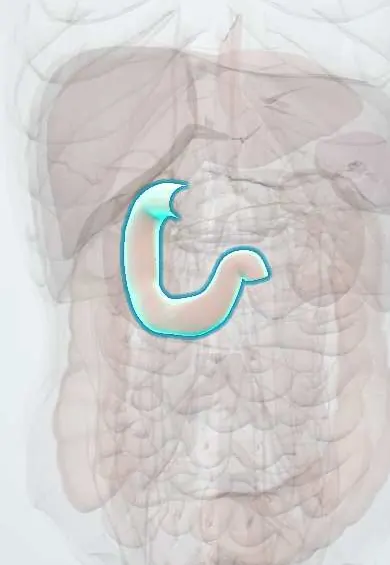
Iron is absorbed mainly in the duodenum and stored as ferritin in the liver and macrophages. When loss or demand exceeds intake, stores are used up first (low ferritin), then transport falls (low transferrin saturation), and finally haemoglobin synthesis drops, producing small pale red cells and reduced oxygen delivery.
Classification
- Iron deficiency without anaemia (depleted stores)
- Iron deficiency anaemia: mild, moderate or severe by haemoglobin level (cut-offs vary by age, sex and pregnancy)
- Absolute iron deficiency vs functional iron deficiency (with inflammation or chronic kidney disease)
Symptoms and signs
- Tiredness, weakness and reduced exercise tolerance
- Pallor of skin and conjunctivae
- Breathlessness and palpitations on effort
- Headache, poor concentration and restless legs
- Pica (craving ice, earth or other non-food items)
- Brittle or spoon-shaped nails (koilonychia), glossitis and cracks at the corners of the mouth
Diagnosis
- Clinical
- History of bleeding (menstrual, digestive), diet, pregnancy, medicines and symptoms of digestive disease; examination for pallor, nail and tongue changes, and rectal examination when gastrointestinal loss is suspected.
- Tests
- Full blood count: low haemoglobin, low MCV and MCH, high RDW; smear with microcytic hypochromic cells. Low serum ferritin is the most specific test, but ferritin rises with inflammation and can look normal. Low serum iron and transferrin saturation, high TIBC. Stool for parasites, celiac serology and H. pylori testing as indicated.
- Imaging
- Upper endoscopy and colonoscopy look for a gastrointestinal source of bleeding, mainly in men and post-menopausal women; capsule endoscopy if both are normal; pelvic ultrasound for heavy menstrual bleeding.
Differential diagnosis
- Anaemia of chronic disease (inflammation)
- Thalassaemia trait
- Sideroblastic anaemia
- Lead poisoning
- Mixed deficiency with vitamin B12 or folate
Goal of treatment
Correct the anaemia, refill iron stores and, above all, find and treat the underlying cause.
Treatment
- Medical
- Oral iron salts are first-line, continued for some months after haemoglobin normalises to refill stores; gastrointestinal side effects are common.
- Medical
- Intravenous iron when oral iron is not tolerated, not absorbed, or not fast enough (late pregnancy, ongoing losses, chronic kidney disease, inflammatory bowel disease).
- Medical
- Treatment of the cause: antiparasitic drugs for hookworm, eradication of H. pylori, gluten-free diet in celiac disease, management of heavy menstrual bleeding or a bleeding lesion.
- Acute
- Red cell transfusion is reserved for severe anaemia with haemodynamic instability, active bleeding or cardiac ischaemia.
- Follow-up
- Haemoglobin and reticulocytes after a few weeks of treatment to confirm response, and ferritin to confirm refilled stores.
Drugs for this condition
Complications
- Impaired growth and neurodevelopment in children
- Preterm birth and low birth weight when present in pregnancy
- Worsening of angina and heart failure; high-output heart failure in severe cases
- Reduced work capacity and quality of life
- Plummer–Vinson syndrome (oesophageal web with dysphagia), rare
Prognosis
Excellent when the cause is found and treated: haemoglobin usually begins to rise within weeks of iron replacement. Prognosis ultimately depends on the cause, which can be serious, such as gastrointestinal cancer.
Prevention
- Iron-rich diet and fortified foods
- Iron supplementation in pregnancy and in at-risk infants as per national guidelines
- Delayed cord clamping at birth
- Deworming programmes, sanitation and wearing shoes where hookworm is common
Test yourself
Think of the answer, then tap the question to see it.
Which is the most specific single test for iron deficiency?
A low serum ferritin; but ferritin is an acute-phase reactant and may be normal or high with inflammation.
What red cell indices are typical of iron deficiency anaemia?
Low haemoglobin, low MCV (microcytosis), low MCH (hypochromia) and high RDW.
Where is dietary iron mainly absorbed?
In the duodenum and upper jejunum.
What must be investigated in a man with unexplained iron deficiency anaemia?
A gastrointestinal source of blood loss, including colorectal and gastric cancer, usually with upper endoscopy and colonoscopy.
Which intestinal parasite is a classic cause of iron deficiency anaemia in the tropics?
Hookworm (Ancylostoma duodenale and Necator americanus), which causes chronic intestinal blood loss.
Related conditions
Educational information, not medical advice. For any symptom, see a health professional.
Sources: Iron Deficiency and Microcytic Hypochromic Anemia (StatPearls (NCBI Bookshelf), 2026); Prevalence of Anemia in Children from Latin America and the Caribbean and Effectiveness of Nutritional Interventions: Systematic Review and Meta⁻Analysis (Nutrients, 2019) · adapted, CC BY 4.0.
Spotted a mistake?We are always improving for the community. Tell us what is wrong and our team will review it.Report a mistake
Representative model, for educational purposes only.