Periodontitis !
Periodontitis is long-term gum inflammation that destroys the ligament and bone holding the teeth, so they can loosen and fall out.
Updated 2026-10-29
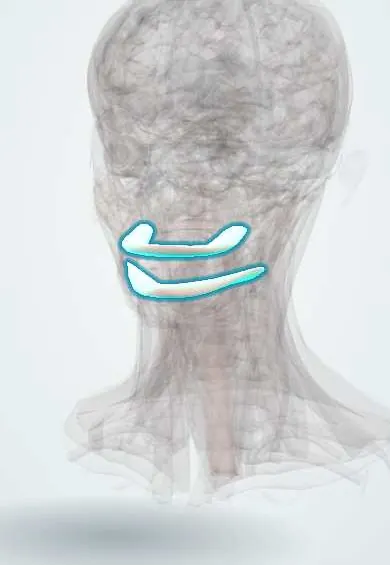
Structures involved
Tap one to see what it is and open it in 3D.
Why it happens
- Chronic inflammation: causes, cells and features
- When leukocytes injure tissue: proteases, oxidants and NETs
- Oral cavity, tongue and teeth
What it is
Chronic inflammation of the tissues that support the teeth, driven by bacterial plaque, which destroys the periodontal ligament and alveolar bone and can end in loose teeth and tooth loss.
Who gets it
Very common in adults and a leading cause of tooth loss; severe forms rise with age. It is more frequent in people who smoke or have poorly controlled diabetes.
Causes
- Dysbiotic subgingival plaque (gram-negative anaerobes such as Porphyromonas gingivalis)
- Exaggerated host inflammatory response
- Untreated gingivitis progressing to deeper tissues
Risk factors
- Smoking
- Diabetes mellitus, especially poorly controlled
- Poor oral hygiene and calculus
- Older age and genetic susceptibility
- Immunosuppression (including HIV) and some medicines that cause gum overgrowth
Pathophysiology
Plaque bacteria below the gum line trigger a host immune response. Inflammatory mediators and enzymes break down collagen of the periodontal ligament and activate osteoclasts that resorb alveolar bone. The gum detaches from the tooth and forms pockets that harbour more anaerobes, keeping the cycle going.
Classification
- Current staging (I–IV) by severity and complexity, and grading (A–C) by rate of progression
- Necrotising periodontal disease
- Periodontitis as a manifestation of systemic disease
Symptoms and signs
- Red, swollen gums that bleed on brushing
- Bad breath and bad taste
- Gum recession and longer-looking teeth
- Loose or drifting teeth
- Pus from the gum margin; pain is often absent
Diagnosis
- Clinical
- Periodontal probing of pocket depth, clinical attachment loss and bleeding on probing; tooth mobility and furcation involvement.
- Tests
- Glucose or HbA1c when diabetes is suspected; HIV testing in necrotising or atypical disease.
- Imaging
- Intraoral radiographs show the pattern and amount of alveolar bone loss.
Differential diagnosis
- Gingivitis (no attachment loss)
- Drug-induced gingival overgrowth
- Periapical (endodontic) lesion
- Oral malignancy
- Leukaemic gingival infiltration
Goal of treatment
Control the bacterial infection and inflammation, halt attachment and bone loss, and keep a functional dentition.
Treatment
- Procedure
- Professional cleaning, scaling and root planing to remove plaque and calculus.
- Medical
- Antiseptic rinses; adjunctive local or systemic antibiotics in selected cases.
- Surgical
- Periodontal flap surgery, regenerative procedures or extraction of hopeless teeth.
- Lifestyle
- Smoking cessation, glycaemic control and careful daily brushing and interdental cleaning.
- Follow-up
- Periodontal maintenance visits at regular intervals.
Complications
- Tooth loss
- Periodontal abscess
- Poorer glycaemic control in diabetes
- Associations with cardiovascular disease and adverse pregnancy outcomes
Prognosis
Treatment halts progression in most patients who maintain good hygiene and control risk factors, but lost bone rarely returns fully.
Prevention
- Daily brushing and interdental cleaning
- Regular dental review and treatment of gingivitis
- Avoiding tobacco and controlling diabetes
Test yourself
Think of the answer, then tap the question to see it.
What separates periodontitis from gingivitis?
Loss of attachment and alveolar bone; gingivitis is inflammation of the gum alone and is reversible.
Which two systemic risk factors most strongly worsen periodontitis?
Smoking and diabetes mellitus.
What does periodontal probing measure?
Pocket depth, clinical attachment loss and bleeding on probing.
Which gram-negative anaerobe is classically linked to periodontitis?
Porphyromonas gingivalis.
Related conditions
Educational information, not medical advice. For any symptom, see a health professional.
Sources: Periodontitis (StatPearls (NCBI Bookshelf), 2023).
Spotted a mistake?We are always improving for the community. Tell us what is wrong and our team will review it.Report a mistake
Representative model, for educational purposes only.