Dental caries !
Dental caries (tooth decay) is damage to the tooth from acids made by plaque bacteria from sugars; untreated, it reaches the nerve and causes pain.
Updated 2026-10-30
Structures involved
Tap one to see what it is and open it in 3D.
In biochemistry
Microorganisms that cause it
In histology
In embryology
In physiology
What it is
Localised destruction of tooth enamel, then dentine, by acids that plaque bacteria make from dietary sugars. Untreated, it reaches the pulp and can cause pulpitis and a dental abscess.
Who gets it
One of the most common chronic diseases worldwide, in children and adults alike. In Latin America it remains frequent, especially where access to dental care and fluoride is limited. In Colombia's national oral health survey (ENSAB IV, 2013–2014), 59% of pregnant women had caries at examination and 89.9% had a history of caries.
Causes
- Acid-producing plaque bacteria, chiefly Streptococcus mutans and lactobacilli
- Frequent intake of fermentable sugars
- Prolonged contact between plaque and the tooth surface
Risk factors
- Frequent sugary snacks and drinks, including bedtime bottles in infants
- Poor oral hygiene and low fluoride exposure
- Reduced saliva (dry mouth from drugs, radiotherapy or Sjögren syndrome)
- Deep pits and fissures, crowding, orthodontic appliances
- Low socioeconomic status and limited access to dental care
Pathophysiology
Bacteria in plaque ferment sugars into acids that lower the pH at the tooth surface and dissolve enamel minerals. Early lesions can remineralise with saliva and fluoride; if demineralisation wins, a cavity forms. Once it reaches dentine it spreads faster, and invasion of the pulp causes inflammation, necrosis and periapical infection.
Classification
- By site: pit and fissure, smooth surface, root caries
- By depth: enamel, dentine, pulp involvement
- Early childhood caries (in children under six)
Symptoms and signs
- Often painless in early stages: white or brown spots
- Visible cavity or food impaction
- Sensitivity to sweet, cold or hot stimuli
- Spontaneous or lingering toothache when the pulp is inflamed
- Pain on biting and swelling when an abscess forms
Diagnosis
- Clinical
- Visual and tactile examination of dried teeth in good light; pulp vitality and percussion tests guide pulp involvement.
- Tests
- Usually none; cold and electric pulp tests assess the pulp.
- Imaging
- Bitewing radiographs show interproximal and early lesions; periapical films show periapical spread.
Differential diagnosis
- Dental erosion or abrasion
- Developmental enamel defects or fluorosis
- Cracked tooth
- Dentine hypersensitivity
- Periodontal abscess
Goal of treatment
Stop the lesion, keep the tooth and its pulp alive where possible, and lower the patient's future caries risk.
Treatment
- Conservative
- Early non-cavitated lesions: topical fluoride, sealants and better hygiene to remineralise.
- Procedure
- Removal of decayed tissue and a restoration (filling); pulp therapy or root canal treatment when the pulp is involved.
- Surgical
- Extraction of a non-restorable tooth; incision and drainage of an abscess.
- Medical
- Antibiotics only for spreading infection or systemic signs, alongside drainage; analgesics for pain.
- Lifestyle
- Fewer and less frequent sugary intakes, fluoride toothpaste and regular dental check-ups.
Complications
- Pulpitis and pulp necrosis
- Periapical abscess
- Facial cellulitis, deep neck infection or Ludwig angina
- Tooth loss and difficulty chewing
Prognosis
Early lesions can be arrested or reversed. Restored teeth do well if the cause is controlled; untreated caries progresses and can lead to tooth loss and spreading infection.
Prevention
- Fluoride (water, salt or toothpaste) and fissure sealants
- Limiting frequency of sugar intake
- Twice-daily brushing and regular dental review
Test yourself
Think of the answer, then tap the question to see it.
Which bacterium is most associated with starting dental caries?
Streptococcus mutans, which ferments sugars into acid; lactobacilli drive progression in dentine.
Which radiograph best detects caries between the back teeth?
Bitewing radiographs.
How does fluoride protect against caries?
It promotes remineralisation and forms a more acid-resistant enamel surface; it also reduces bacterial acid production.
Lingering pain after a cold stimulus suggests what pulp state?
Irreversible pulpitis; brief pain that stops when the stimulus is removed suggests reversible pulpitis.
Related conditions
Educational information, not medical advice. For any symptom, see a health professional.
Sources: Dental Caries (StatPearls (NCBI Bookshelf), 2023); Prevalence of dental caries in pregnant Colombian women and its associated factors (BMC oral health, 2023) · adapted, CC BY 4.0.
Spotted a mistake?We are always improving for the community. Tell us what is wrong and our team will review it.Report a mistake
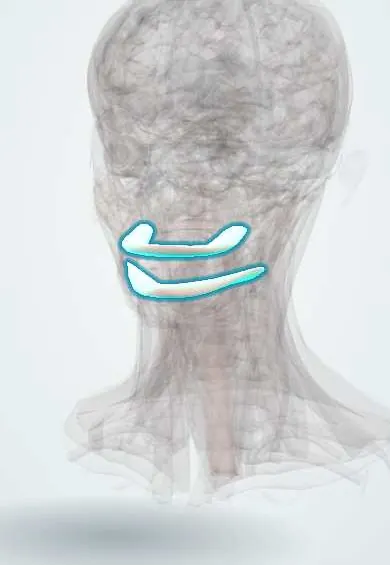
Representative model, for educational purposes only.