Conditions · Metabolism (biochemistry)
Refeeding syndrome !
When a severely malnourished person is fed again, insulin pushes phosphate, potassium and magnesium into cells and blood levels fall dangerously.
Updated 2026-11-01
Structures involved
Tap one to see what it is and open it in 3D.
In biochemistry
In physiology
Why it happens
What it is
Severe fluid and electrolyte disturbances (above all hypophosphataemia) and thiamine deficiency that appear in the first days of oral, enteral or parenteral refeeding after major fasting or malnutrition.
Who gets it
It affects patients with severe malnutrition: anorexia nervosa, alcoholism, cancer, frail older adults, prolonged postoperative stays, homeless or conflict-affected people and children with severe acute malnutrition, a problem that persists in parts of Colombia and Latin America.
Causes
- Rapid restart of nutrition after prolonged fasting or minimal intake for days
- Chronic malnutrition of any cause (anorexia nervosa, cancer, malabsorption, alcoholism)
- Parenteral or enteral nutrition started at full rate in at-risk patients
- Bariatric surgery with persistent vomiting
Risk factors
- Very low body mass index or marked recent weight loss
- Almost no intake for more than a few days
- Low potassium, phosphate or magnesium before feeding
- Alcoholism, insulin or chemotherapy, antacids or diuretics
- Severe acute malnutrition in children
Pathophysiology
During fasting the body runs on fat and ketones, insulin is low and intracellular stores of phosphate, potassium and magnesium are depleted even though blood levels may look normal. When carbohydrate arrives, insulin rises and drives glucose, phosphate, potassium and magnesium into cells for glycolysis and ATP and glycogen synthesis; serum levels fall within hours to a few days. Hypophosphataemia lowers ATP and 2,3-BPG: failure of myocardium and diaphragm, rhabdomyolysis, haemolysis and poorer oxygen delivery. Glycolysis uses up thiamine (cofactor of pyruvate dehydrogenase and transketolase), which can trigger Wernicke encephalopathy. Insulin also retains sodium and water: oedema and heart failure.
Classification
- By severity: isolated electrolyte changes or a clinical syndrome with organ failure
- By timing: usually appears in the first 2 to 5 days of refeeding
Symptoms and signs
- Muscle weakness and fatigue
- Breathlessness, oedema
- Palpitations, arrhythmias
- Confusion, delirium, seizures
- Ataxia and ophthalmoplegia (Wernicke)
- Paraesthesia
Diagnosis
- Clinical
- Identify the at-risk patient before feeding (weight, weight loss, days without food, alcohol) and watch for fluid overload and neurological change.
- Tests
- Phosphate, potassium, magnesium, glucose, sodium and calcium before starting and daily in the first days; kidney function, CK, gases, ECG; thiamine if deficiency is suspected.
- Imaging
- Chest X-ray if breathless or pulmonary oedema is suspected; echocardiography if heart failure develops.
Treatment
- Medical
- Start nutrition slowly and build up gradually in at-risk patients, following guidelines
- Medical
- Thiamine and B-complex before starting carbohydrate and during the first days
- Medical
- Replace phosphate, potassium and magnesium according to levels and watch fluid and sodium balance
- Follow-up
- Daily monitoring of electrolytes, vital signs, heart rhythm and neurological status in the first week
Complications
- Heart failure and arrhythmias
- Respiratory failure from diaphragm weakness
- Rhabdomyolysis and haemolysis
- Wernicke encephalopathy
- Seizures
- Death
Prognosis
It is preventable: with risk identification, gradual refeeding and replacement of electrolytes and thiamine, most patients do well.
Prevention
- Screening nutritional risk on admission
- Measuring electrolytes before feeding
- Prophylactic thiamine
- Slow calorie build-up in at-risk patients
Test yourself
Think of the answer, then tap the question to see it.
What is the hallmark biochemical finding of refeeding syndrome?
Hypophosphataemia, often with hypokalaemia and hypomagnesaemia.
Why do phosphate and potassium fall on refeeding?
Insulin rising with carbohydrate drives them into cells for glycolysis and ATP and glycogen synthesis.
Why is thiamine given before carbohydrate in a malnourished patient?
Glycolysis and pyruvate dehydrogenase use up thiamine; its lack can trigger Wernicke encephalopathy.
Why does hypophosphataemia cause respiratory failure?
Without phosphate muscle ATP falls and the diaphragm weakens; 2,3-BPG also falls and less oxygen is delivered.
Related conditions
- Hypokalaemia
- Hypocalcaemia
- Wernicke encephalopathy (thiamine deficiency)
- Beriberi (thiamine deficiency)
- Heart failure
- Obesity
Educational information, not medical advice. For any symptom, see a health professional.
Sources: Malnutrition: MedlinePlus Medical Encyclopedia (MedlinePlus, US National Library of Medicine, 2026); Phosphate in Blood: MedlinePlus Medical Test (MedlinePlus, US National Library of Medicine, 2026); Low blood potassium: MedlinePlus Medical Encyclopedia (MedlinePlus, US National Library of Medicine, 2026); Magnesium Blood Test: MedlinePlus Medical Test (MedlinePlus, US National Library of Medicine, 2026); Wernicke-Korsakoff syndrome: MedlinePlus Medical Encyclopedia (MedlinePlus, US National Library of Medicine, 2026); Textbook of Biochemistry for Medical Students, 6th ed. (Jaypee Brothers Medical Publishers (Vasudevan DM, Sreekumari S, Vaidyanathan K), 2011).
Spotted a mistake?We are always improving for the community. Tell us what is wrong and our team will review it.Report a mistake
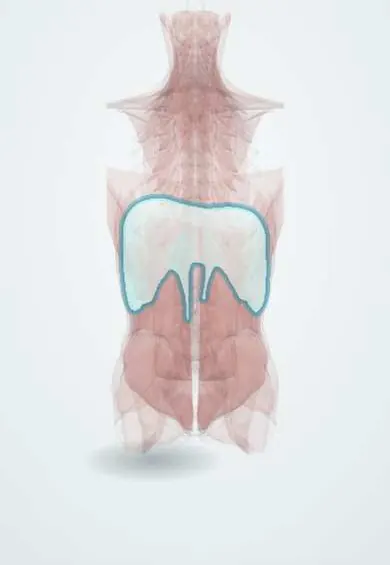
Representative model, for educational purposes only.