Conditions · Systemic conditions
Obesity !
Obesity is a chronic disease of excess body fat that harms health, usually defined in adults by a body mass index (BMI) of 30 or more.
Updated 2026-10-30
Structures involved
Tap one to see what it is and open it in 3D.
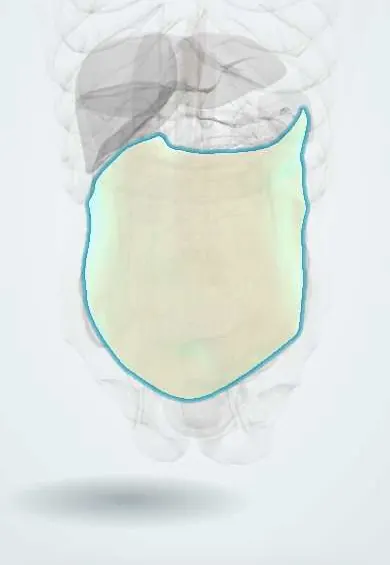
- Greater omentum
- Liver
- Stomach
- Gallbladder
- Pancreas
- Femoral cartilage
- Tibial cartilage
- Femoral head cartilage
- Great saphenous vein
In biochemistry
- Fructose
- Lipid chemistry
- Acetyl-CoA carboxylase (ACC)
- Fatty acid synthase (FAS)
- Hormone-sensitive lipase (HSL)
- Palmitate (palmitic acid)
- Malonyl-CoA
- Energy requirements and basal metabolic rate (BMR)
- Specific dynamic action (thermic effect of food)
- Macronutrients and the energy value of food
- Balanced diet
- JAK–STAT pathway
- Leptin, appetite and obesity
- Aromatase (CYP19A1)
- UCP1 (thermogenin)
- Uncouplers of oxidative phosphorylation
In histology
In embryology
In the clinical exam
In physiology
- Physiology of hypertension
- Appetite hormones: leptin, ghrelin and incretins
- Gastrointestinal hormones
- Energy balance, food intake and obesity
- Functions of the hypothalamus
- Lung volumes, capacities and spirometry
- Obstructive and restrictive patterns, and flow–volume loops
- Lung and chest wall compliance
- The work of breathing
- Abnormal breathing patterns and sleep apnea
Why it happens
- Obesity: leptin, adipokines and its consequences
- Genomic imprinting: Prader–Willi and Angelman
- Multifactorial (complex) disorders
- Fatty change (steatosis)
- Cancer epidemiology: age, environment, predisposing conditions (and Colombia)
- Diet, cancer and systemic disease
Show 2 more
What it is
A chronic disease of excess body fat that harms health, usually defined in adults by a body mass index (BMI) of 30 kg/m² or more.
Who gets it
Increasing worldwide and in Latin America, including Colombia, in adults and children, linked to urbanization, ultra-processed food and less physical activity. National surveys in 13 Latin American and Caribbean countries (1998–2017) showed rising obesity, unequal by wealth and residence; in Peru, the urban–rural gap among men reached 15.8 percentage points.
Causes
- Long-term energy intake above expenditure
- Diet high in ultra-processed foods and sugary drinks
- Physical inactivity and poor sleep
- Genetic susceptibility; rare monogenic causes
- Endocrine causes: hypothyroidism, Cushing syndrome
- Drugs that cause weight gain (some antipsychotics, corticosteroids)
Risk factors
- Family history of obesity
- Sedentary work and lifestyle
- Low income and food environment
- Childhood obesity
- Pregnancy-related weight gain and menopause
- Depression and chronic stress
Pathophysiology
When energy intake exceeds expenditure, fat stores grow. Enlarged fat cells, especially visceral fat, release inflammatory cytokines and free fatty acids that cause insulin resistance. Hormonal signals that regulate appetite (leptin, ghrelin) are altered, and the body defends its higher weight.
Classification
- BMI 25–29.9: overweight
- BMI 30–34.9: class I obesity
- BMI 35–39.9: class II obesity
- BMI 40 or more: class III (severe) obesity
- Waist circumference to assess central (abdominal) obesity; cut-offs vary by population
Symptoms and signs
- Increased body weight and waist size
- Shortness of breath on exertion
- Joint pain in knees, hips and lower back
- Snoring and daytime sleepiness (sleep apnea)
- Skin folds with rashes, acanthosis nigricans
- Reduced mobility and fatigue
Diagnosis
- Clinical
- Measuring weight, height (BMI) and waist circumference; history of diet, activity, sleep, drugs and weight course; looking for comorbidities.
- Tests
- Fasting glucose or HbA1c, lipid profile, liver enzymes, thyroid function when indicated, and blood pressure measurement.
- Imaging
- Not needed to diagnose; abdominal ultrasound may show fatty liver or gallstones.
Differential diagnosis
- Hypothyroidism
- Cushing syndrome
- Fluid retention (heart, kidney or liver failure)
- Drug-induced weight gain
- Polycystic ovary syndrome
Goal of treatment
Achieve sustained weight loss that improves or prevents comorbidities and quality of life, rather than reaching an ideal weight.
Treatment
- Lifestyle
- Reduced-calorie, healthy eating pattern, more physical activity, better sleep and behavioral therapy, ideally with a multidisciplinary team.
- Medical
- Anti-obesity medicines when lifestyle change is not enough, such as GLP-1 receptor agonists and other drug classes approved locally.
- Surgical
- Bariatric (metabolic) surgery, such as sleeve gastrectomy or Roux-en-Y gastric bypass, for severe obesity or obesity with major comorbidities, under accepted criteria.
- Follow-up
- Long-term follow-up of weight, comorbidities and nutrition, especially after surgery.
Drugs for this condition
Complications
- Type 2 diabetes and metabolic syndrome
- Hypertension, coronary heart disease and stroke
- Fatty liver disease (MASLD)
- Obstructive sleep apnea
- Knee and hip osteoarthritis
- Gallstones
- Several cancers (colon, breast, endometrium, kidney)
- Venous insufficiency and thromboembolism
- Depression and stigma
Prognosis
Obesity tends to relapse and needs long-term management. Even modest weight loss improves blood pressure, glucose and joint symptoms; bariatric surgery gives the largest and most durable losses.
Prevention
- Healthy eating from childhood and limiting sugary drinks
- Regular physical activity
- Adequate sleep
- Breastfeeding
- Policies on food labelling and healthy environments
Test yourself
Think of the answer, then tap the question to see it.
How is BMI calculated and what value commonly defines obesity in adults?
Weight in kilograms divided by height in metres squared; a BMI of 30 kg/m² or more defines obesity.
Why does waist circumference add to BMI?
It reflects visceral (abdominal) fat, which is more closely linked to insulin resistance and cardiovascular risk than total weight.
What are the major comorbidities of obesity?
Type 2 diabetes, hypertension, obstructive sleep apnea, fatty liver disease, osteoarthritis, dyslipidemia and some cancers.
Which are two common bariatric procedures?
Sleeve gastrectomy and Roux-en-Y gastric bypass.
Related conditions
- Type 2 diabetes mellitus
- Metabolic syndrome
- Knee Osteoarthritis
- Hip Osteoarthritis
- Hypothyroidism
- Cushing syndrome
- Polycystic ovary syndrome
- Umbilical hernia
Educational information, not medical advice. For any symptom, see a health professional.
Sources: Epidemiologic and Etiologic Considerations of Obesity (StatPearls (NCBI Bookshelf), 2025); The shift of obesity burden by socioeconomic status between 1998 and 2017 in Latin America and the Caribbean: a cross-sectional series study (The Lancet. Global health, 2019) · adapted, CC BY 4.0.
Spotted a mistake?We are always improving for the community. Tell us what is wrong and our team will review it.Report a mistake
Representative model, for educational purposes only.