Sjögren disease !
An autoimmune disease that attacks the tear and saliva glands, causing dry eyes and dry mouth. It can also affect joints, lungs, kidneys and nerves.
Updated 2026-11-01
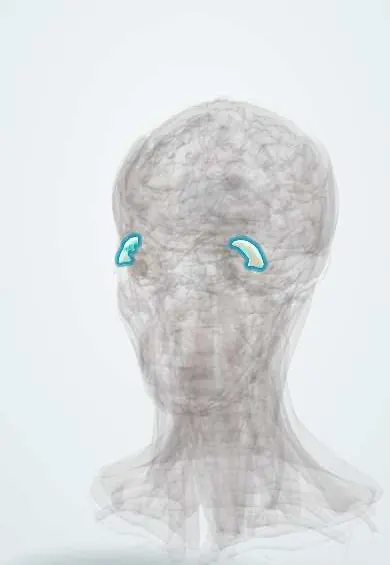
Structures involved
Tap one to see what it is and open it in 3D.
Why it happens
- Chronic inflammation: causes, cells and features
- Salivary secretion
- Salivary glands: serous and mucous acini
- Conjunctiva, eyelid glands and lacrimal gland
What it is
A chronic systemic autoimmune disease in which lymphocytes infiltrate the exocrine glands, mainly the lacrimal and salivary glands, causing dry eyes and dry mouth (sicca). It can be primary or occur with another connective-tissue disease.
Who gets it
One of the most common systemic autoimmune diseases, with a strong female predominance (about nine women per man) and onset usually in the 40s or 50s. It is diagnosed in Colombia and Latin America as in other regions and is often recognised late because dryness is attributed to age or drugs.
Causes
- Autoimmune; cause unknown
- Genetic susceptibility (HLA and interferon pathway genes)
- Possible viral triggers
- Secondary form with rheumatoid arthritis, lupus or systemic sclerosis
Risk factors
- Female sex
- Age 40 to 60
- Another autoimmune disease or a family history of one
Pathophysiology
Lymphocytes, mostly T cells with B cells, infiltrate the lacrimal and salivary glands and destroy the secretory tissue, while autoantibodies and interferon signalling disturb gland function. Less tear film damages the cornea and conjunctiva (keratoconjunctivitis sicca); less saliva leads to caries and oral candidiasis. Chronic B-cell stimulation can spread to other organs and raises the risk of B-cell lymphoma.
Classification
- Primary Sjögren disease
- Secondary (associated) Sjögren with rheumatoid arthritis, lupus or systemic sclerosis
- Glandular only versus extraglandular (systemic) disease
Symptoms and signs
- Dry, gritty or burning eyes, sensitivity to light
- Dry mouth, difficulty chewing and swallowing dry food, need to sip water
- Rapid dental caries and oral candidiasis
- Swelling of the parotid or submandibular glands
- Fatigue and joint pain
- Dry skin, nose and vagina; dry cough
- Purpura of the legs, numbness or tingling (vasculitis, neuropathy)
Diagnosis
- Clinical
- Symptoms of dryness plus objective tests; the ACR/EULAR classification weighs a positive anti-Ro/SSA antibody and focal lymphocytic sialadenitis on lip biopsy most heavily, with Schirmer test, ocular staining score and unstimulated salivary flow.
- Tests
- Anti-Ro/SSA and anti-La/SSB, ANA and rheumatoid factor; complete blood count, ESR, immunoglobulins (often polyclonal high IgG), C3/C4, cryoglobulins, serum protein electrophoresis, kidney function and electrolytes. Minor salivary gland (lip) biopsy shows focal lymphocytic infiltrates.
- Imaging
- Salivary gland ultrasound shows inhomogeneous glands; chest CT if there is lung involvement; imaging of nodes or glands if lymphoma is suspected.
Differential diagnosis
- Medication-induced dryness (anticholinergics, antidepressants, antihistamines, diuretics)
- Age-related dry eye and dry mouth
- IgG4-related disease
- Sarcoidosis
- Hepatitis C and HIV infection
- Radiation to the head and neck
Goal of treatment
Relieve dryness and prevent its damage to eyes and teeth, control systemic manifestations, and detect lymphoma early.
Treatment
- Conservative
- Artificial tears and gels, saliva substitutes, sugar-free gum, frequent sips of water, humidified air and careful oral hygiene with fluoride and regular dental visits.
- Medical
- Muscarinic agonists (pilocarpine, cevimeline) stimulate residual glands; topical cyclosporine for dry eye; punctal plugs in severe cases.
- Medical
- Hydroxychloroquine for joint and skin symptoms; glucocorticoids, immunosuppressants or rituximab for severe systemic disease.
- Follow-up
- Regular follow-up of eyes, teeth and blood tests, with examination of glands and lymph nodes to detect lymphoma; anti-Ro positive pregnancies need fetal heart monitoring.
Drugs for this condition
Complications
- Corneal ulcers and scarring
- Dental caries, tooth loss and oral candidiasis
- B-cell non-Hodgkin lymphoma (especially MALT lymphoma of the parotid)
- Interstitial lung disease
- Distal renal tubular acidosis and interstitial nephritis
- Peripheral neuropathy and vasculitis
- Congenital heart block or neonatal lupus in babies of anti-Ro positive mothers
Prognosis
Usually a slowly progressive, chronic disease with a normal life expectancy when it is limited to the glands. Systemic involvement and lymphoma, which affects a small minority, determine the outcome.
Test yourself
Think of the answer, then tap the question to see it.
Which glands are mainly affected in Sjögren disease?
The lacrimal and salivary glands (parotid, submandibular, sublingual and minor glands), causing dry eyes and dry mouth.
Which autoantibodies are characteristic of Sjögren disease?
Anti-Ro/SSA and anti-La/SSB, often with positive ANA and rheumatoid factor.
Which malignancy is increased in Sjögren disease?
B-cell non-Hodgkin lymphoma, especially MALT lymphoma of the salivary glands.
What bedside test measures tear production?
The Schirmer test: a paper strip in the lower eyelid measures wetting in 5 minutes.
Why do anti-Ro antibodies matter in pregnancy?
They cross the placenta and can cause congenital heart block and neonatal lupus.
Related conditions
- Rheumatoid arthritis
- Systemic lupus erythematosus
- Systemic sclerosis (scleroderma, including CREST)
- Sialolithiasis (salivary stones)
- Conjunctivitis
- Hypothyroidism
Educational information, not medical advice. For any symptom, see a health professional.
Sources: Sjogren syndrome (MedlinePlus (U.S. National Library of Medicine), 2025).
Spotted a mistake?We are always improving for the community. Tell us what is wrong and our team will review it.Report a mistake
Representative model, for educational purposes only.