Conditions · Gastroenterology and hepatology
Anal fissure !
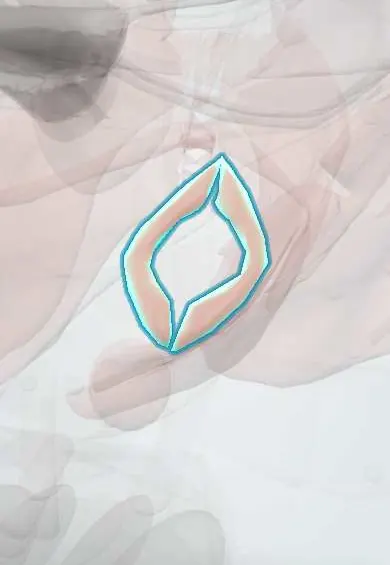
A small tear in the lining of the anal canal, usually from hard stools. It causes sharp pain on passing stool and bright red blood on the paper.
Updated 2026-11-01
Structures involved
Tap one to see what it is and open it in 3D.
- Anal canal
- External anal sphincter
- Rectum
- Puborectalis
- Superior rectal artery
- Internal pudendal artery
- Pudendal nerve
In embryology
In the clinical exam
Why it happens
- What delays healing: infection, diabetes, nutrition, glucocorticoids, poor blood flow
- Defecation and continence
- Large intestine, appendix and anal canal
What it is
A linear tear or ulcer in the lining (anoderm) of the anal canal below the dentate line, almost always in the posterior midline. It is acute when recent and chronic when it lasts more than about six to eight weeks.
Who gets it
Common at all ages, especially in young and middle-aged adults and infants. It is a frequent cause of anal pain and bright red rectal bleeding in primary care.
Causes
- Trauma from passing hard or large stools, or from frequent diarrhoea
- Spasm and high resting tone of the internal anal sphincter, which reduces blood flow and delays healing
- Childbirth (anterior fissures are more common after vaginal delivery)
- Secondary causes for off-midline fissures: Crohn disease, tuberculosis, syphilis, HIV, anal cancer
Risk factors
- Constipation and straining
- Chronic diarrhoea
- Low-fibre diet
- Pregnancy and childbirth
- Anal trauma or anal intercourse
Pathophysiology
A hard stool tears the sensitive anoderm. Pain causes spasm of the internal anal sphincter, which raises resting pressure and reduces blood flow to the posterior midline, an area that is already poorly perfused. The tear stays ischaemic and does not heal, creating a cycle of pain, spasm and poor healing. Chronic fissures develop a sentinel skin tag below and a hypertrophied anal papilla above.
Classification
- Acute: recent, with sharp edges
- Chronic: more than six to eight weeks, with raised edges, visible sphincter fibres, sentinel tag and hypertrophied papilla
- Primary (posterior or anterior midline) versus secondary (off-midline or multiple, suggesting an underlying disease)
Symptoms and signs
- Sharp, tearing pain during defecation that can last minutes to hours afterwards
- Small amounts of bright red blood on toilet paper or the stool surface
- Fear of defecation, which worsens constipation
- Itching or a palpable skin tag in chronic fissures
Diagnosis
- Clinical
- Diagnosed by history and gentle inspection with the buttocks parted, which usually shows the tear in the posterior midline. Digital rectal examination and anoscopy are often postponed because of pain.
- Tests
- Usually none. Testing for sexually transmitted infections, tuberculosis or inflammatory bowel disease, and biopsy, when the fissure is atypical or does not heal.
- Imaging
- Not needed. Colonoscopy or sigmoidoscopy if bleeding has other worrying features or the fissure is atypical.
Differential diagnosis
- Thrombosed external haemorrhoid
- Perianal abscess or fistula
- Crohn disease of the anus
- Anal cancer
- Sexually transmitted infections (syphilis, herpes)
Goal of treatment
Soften stools, break the cycle of pain and sphincter spasm, and allow the fissure to heal while avoiding damage to continence.
Treatment
- Conservative
- Fibre, fluids and stool softeners, warm sitz baths and topical anaesthetic or protective ointments; most acute fissures heal with these measures.
- Medical
- Topical agents that relax the internal sphincter: nitrates or calcium channel blockers (diltiazem or nifedipine); botulinum toxin injection into the internal sphincter for chronic fissures that do not heal.
- Surgical
- Lateral internal sphincterotomy for chronic fissures that fail medical treatment; it has the highest healing rate but a small risk of incontinence.
- Follow-up
- Nursing priorities: teach diet and toileting habits, pain relief before defecation, sitz baths, and report of heavy bleeding or signs of infection.
Complications
- Chronic fissure with sentinel tag
- Recurrence
- Perianal abscess or fistula
- Faecal incontinence after sphincter surgery
Prognosis
Most acute fissures heal within a few weeks with conservative care. Chronic fissures often need sphincter-relaxing treatment or surgery; recurrence is common if constipation continues.
Prevention
- Fibre-rich diet and enough fluids to avoid hard stools
- Prompt treatment of constipation or diarrhoea
- Avoiding prolonged straining
Test yourself
Think of the answer, then tap the question to see it.
Where are most primary anal fissures located?
Posterior midline of the anal canal (anterior midline is the next most common, especially after childbirth).
What does an off-midline anal fissure suggest?
A secondary cause such as Crohn disease, tuberculosis, syphilis, HIV or anal cancer.
Which muscle's spasm prevents a fissure from healing?
The internal anal sphincter.
What is the triad of a chronic anal fissure?
The fissure itself, a sentinel skin tag and a hypertrophied anal papilla.
Which surgery is used for chronic fissures that fail medical treatment?
Lateral internal sphincterotomy.
Related conditions
- Haemorrhoids
- Anorectal abscess and fistula
- Crohn disease
- Constipation and faecal impaction
- Colorectal cancer
- Lower gastrointestinal bleeding
Educational information, not medical advice. For any symptom, see a health professional.
Sources: Anal fissure: MedlinePlus Medical Encyclopedia (MedlinePlus (U.S. National Library of Medicine), 2025); Anal Fissure - Gastroenterology - MSD Manual Professional Edition (MSD Manual Professional Edition, 2025).
Spotted a mistake?We are always improving for the community. Tell us what is wrong and our team will review it.Report a mistake
Representative model, for educational purposes only.