Anorectal abscess and fistula !
An anorectal abscess is a pocket of pus near the anus, usually from an infected anal gland; a tunnel that stays open to the skin afterwards is an anal fistula.
Updated 2026-10-29
Structures involved
Tap one to see what it is and open it in 3D.
In the clinical exam
Why it happens
- Outcomes of acute inflammation: resolution, abscess, scar or chronic inflammation
- Large intestine, appendix and anal canal
What it is
A collection of pus in the spaces around the anus and rectum, usually from an infected anal gland. A chronic tract that remains between the anal canal and the skin after the abscess is an anal fistula (fistula-in-ano).
Who gets it
A common surgical emergency, more frequent in young and middle-aged adults and in men. A substantial proportion of drained abscesses go on to form a fistula.
Causes
- Cryptoglandular infection: blockage and infection of an anal gland at the dentate line (most cases)
- Crohn disease
- Trauma, foreign bodies or previous anorectal surgery
- Infections such as tuberculosis or sexually transmitted infections (less common)
- Malignancy or radiation (rare)
Risk factors
- Diabetes mellitus
- Crohn disease or other inflammatory bowel disease
- Immunosuppression, including HIV infection and chemotherapy
- Obesity
- Smoking
- Previous anorectal abscess
Pathophysiology
Anal glands drain into the crypts at the dentate line. When a duct blocks, the gland becomes infected in the intersphincteric space, and pus spreads along the path of least resistance: down to the perianal skin, across the external sphincter into the ischioanal fossa, or up above the levator ani. If the internal opening stays open after drainage, an epithelialized tract forms: a fistula.
Classification
- Abscess by location: perianal (most common), ischioanal (ischiorectal), intersphincteric, supralevator; horseshoe when it spreads around both sides
- Fistula by Parks classification: intersphincteric, transsphincteric, suprasphincteric, extrasphincteric
- Simple fistula (low, little sphincter involved) or complex fistula (high, branching, anterior in women, Crohn disease, recurrent)
Symptoms and signs
- Constant, throbbing perianal or rectal pain, worse on sitting, coughing or defecation
- Tender, red, warm swelling near the anus (perianal abscess)
- Fever and malaise, especially with deep abscesses
- Deep abscesses may show few skin signs but cause rectal pain and fever
- Fistula: intermittent or persistent discharge of pus or blood from an opening near the anus, itching, and recurring abscesses
Diagnosis
- Clinical
- Mostly clinical: inspection and digital rectal examination; examination under anaesthesia when pain prevents assessment or a deep abscess is suspected. For a fistula, the external opening is located and the internal opening sought (Goodsall's rule as a guide).
- Tests
- Blood count, glucose and inflammatory markers in unwell patients; pus culture in recurrent or atypical cases; HIV testing when risk is present.
- Imaging
- Not needed for simple perianal abscesses. Pelvic MRI or endoanal ultrasound for deep, recurrent or complex disease and to map fistulas; CT for suspected supralevator abscess or in emergencies.
Differential diagnosis
- Thrombosed external haemorrhoid
- Pilonidal abscess
- Hidradenitis suppurativa
- Anal fissure
- Bartholin abscess (in women)
- Anorectal cancer
Goal of treatment
Drain the pus promptly to control infection, then cure any fistula while protecting the anal sphincter and continence.
Treatment
- Acute
- Prompt incision and drainage of the abscess, in the clinic for simple perianal abscesses or in theatre for deep ones; antibiotics alone are not enough.
- Medical
- Antibiotics in addition to drainage for cellulitis, systemic signs of infection, diabetes, immunosuppression or prosthetic devices; analgesia and stool softeners.
- Surgical
- Fistula surgery: fistulotomy (laying open) for simple low fistulas; draining seton, ligation of the intersphincteric fistula tract (LIFT) or advancement flap for complex fistulas to protect continence.
- Medical
- In Crohn disease, fistulas are managed jointly with gastroenterology using immunomodulators or biologic therapy alongside setons.
- Follow-up
- Wound care and follow-up to detect a persistent fistula or recurrence.
Complications
- Anal fistula (the main chronic sequel)
- Recurrent abscess
- Spread into a horseshoe or supralevator abscess
- Necrotizing soft-tissue infection (Fournier gangrene)
- Sepsis
- Faecal incontinence after fistula surgery
Prognosis
Drainage relieves symptoms quickly. A substantial minority of patients develop a fistula; simple fistulas are usually cured by surgery, while complex and Crohn-related fistulas often recur.
Prevention
- Good control of diabetes
- Treating constipation and diarrhoea
- Early drainage of small abscesses before they spread
Test yourself
Think of the answer, then tap the question to see it.
What is the origin of most anorectal abscesses?
Cryptoglandular infection: a blocked, infected anal gland at the dentate line in the intersphincteric space.
What is the treatment of choice for an anorectal abscess?
Prompt incision and drainage; antibiotics are only an adjunct in selected patients.
Which is the most common location of an anorectal abscess?
Perianal, followed by ischioanal (ischiorectal).
What does Goodsall's rule predict?
The likely internal opening of an anal fistula: posterior external openings curve to the posterior midline, anterior ones run radially (with exceptions).
Why are setons used in complex anal fistulas?
They drain the tract and control sepsis without cutting much sphincter, protecting continence.
Related conditions
Educational information, not medical advice. For any symptom, see a health professional.
Sources: Anorectal Abscess (StatPearls (NCBI Bookshelf), 2026).
Spotted a mistake?We are always improving for the community. Tell us what is wrong and our team will review it.Report a mistake
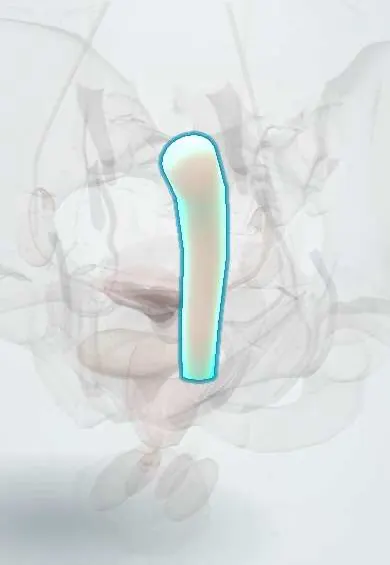
Representative model, for educational purposes only.