Conditions · Gastroenterology and hepatology
Constipation and faecal impaction !
Infrequent, hard or difficult bowel movements. Impaction is a hard stool mass stuck in the rectum, common in older and bedridden people.
Updated 2026-11-01
Structures involved
Tap one to see what it is and open it in 3D.
In embryology
Why it happens
- Defecation and continence
- Small bowel and colon motility
- Water and electrolyte absorption and how diarrhea happens
- Dietary fibre
What it is
Constipation means infrequent (fewer than three per week), hard or difficult bowel movements, or a feeling of incomplete emptying. Faecal impaction is a large, hard mass of stool that cannot be passed, usually in the rectum, typically after long-standing constipation.
Who gets it
One of the most common digestive complaints worldwide, more frequent in women, older adults and people with low fibre intake. Faecal impaction is frequent in nursing homes, hospitalised patients, people on opioids and those with neurological disease or immobility.
Causes
- Functional (primary) constipation: slow colonic transit or pelvic floor dyssynergia
- Low fibre and fluid intake, inactivity, ignoring the urge to defecate
- Drugs: opioids, anticholinergics, iron, calcium channel blockers, antacids with aluminium or calcium, some antidepressants
- Metabolic and endocrine: hypothyroidism, hypercalcaemia, hypokalaemia, diabetes, pregnancy
- Neurological: Parkinson disease, spinal cord injury, multiple sclerosis, dementia
- Structural: colorectal cancer, strictures, anal fissure; Hirschsprung disease and Chagas megacolon
Risk factors
- Older age and limited mobility or bed rest
- Opioid or other constipating drugs
- Dehydration and low-fibre diet
- Cognitive impairment or inability to reach the toilet
- Neurological disease and spinal cord injury
Pathophysiology
The longer stool stays in the colon, the more water is absorbed and the harder it becomes. Slow transit, weak propulsion, or failure of the puborectalis and anal sphincters to relax during straining all delay emptying. When the rectum is chronically stretched it becomes less sensitive, so stool accumulates into an impaction. Liquid stool from above can leak around the mass (overflow diarrhoea).
Classification
- Primary (functional): normal-transit, slow-transit and defecatory (pelvic floor) disorders
- Secondary: drugs, metabolic, neurological or structural causes
- Opioid-induced constipation
- Faecal impaction (usually rectal, sometimes sigmoid)
Symptoms and signs
- Infrequent, hard or lumpy stools and straining
- Feeling of incomplete evacuation or anorectal blockage
- Abdominal bloating and discomfort
- Impaction: rectal fullness, cramps, small semi-formed stools or paradoxical watery leakage
- Older adults with impaction may present with confusion, urinary retention, incontinence or loss of appetite
Diagnosis
- Clinical
- History of stool frequency and form (Bristol stool scale), straining, diet, fluids, mobility and drugs; Rome IV criteria define functional constipation. Abdominal and digital rectal examination; a rectal examination finds a hard mass in faecal impaction.
- Tests
- Blood count, glucose, calcium, potassium and thyroid function when a secondary cause is suspected. Colonoscopy for alarm features or age-appropriate screening. Anorectal manometry and colonic transit studies for refractory cases.
- Imaging
- A plain abdominal film can show faecal loading or impaction higher in the colon and exclude obstruction; CT if obstruction or a mass is suspected.
Differential diagnosis
- Irritable bowel syndrome with constipation
- Colorectal cancer or stricture
- Large bowel obstruction or pseudo-obstruction
- Hypothyroidism or hypercalcaemia
- Hirschsprung disease or Chagas megacolon
Goal of treatment
Restore regular, comfortable bowel movements, remove any impaction safely, treat the underlying cause and prevent recurrence.
Treatment
- Lifestyle
- Increase dietary fibre and fluids, regular physical activity, and a routine of attempting defecation after meals with good posture (feet supported).
- Medical
- Laxatives by class: bulk-forming agents, osmotic laxatives (polyethylene glycol, lactulose), stimulant laxatives and stool softeners; peripherally acting mu-opioid receptor antagonists for opioid-induced constipation. Review and reduce constipating drugs; start a laxative together with any regular opioid.
- Procedure
- Disimpaction: enemas or suppositories, and gentle manual disimpaction if needed, followed by a maintenance laxative regimen.
- Rehabilitation
- Biofeedback therapy for pelvic floor dyssynergia.
- Follow-up
- Nursing priorities: record bowel movements and stool form, check for impaction in older or bedridden patients, watch heart rate during manual disimpaction (vagal bradycardia), and assess fluid intake and mobility.
Drugs for this condition
- Magnesium hydroxide
- Lactulose
- Macrogol (polyethylene glycol)
- Bisacodyl
- Senna
- Docusate sodium
- Linaclotide
- Lubiprostone
Complications
- Haemorrhoids, anal fissure and rectal prolapse
- Faecal impaction with overflow incontinence
- Stercoral ulcer and, rarely, perforation
- Urinary retention and urinary tract infection
- Delirium in older adults
Prognosis
Usually good with diet, routine and laxatives, although chronic constipation often recurs. Impaction resolves with disimpaction but tends to come back unless a bowel programme is maintained.
Prevention
- Fibre-rich diet with enough fluids
- Regular activity and early mobilisation in hospital
- Preventive laxatives for people starting opioids
- Scheduled toileting for people with dementia or limited mobility
Test yourself
Think of the answer, then tap the question to see it.
What is the classic paradox of faecal impaction in older adults?
Watery 'overflow' diarrhoea or soiling leaking around a hard stool mass.
Which laxative class is often insufficient for opioid-induced constipation, and which drug class targets the cause?
Bulk-forming fibre is often insufficient; peripherally acting mu-opioid receptor antagonists block opioid effects in the gut.
What vital sign should be watched during manual disimpaction, and why?
Heart rate, because rectal stimulation can trigger a vagal response with bradycardia.
What are two metabolic causes of constipation?
Hypothyroidism and hypercalcaemia (also hypokalaemia).
Which alarm features require colonoscopy in a person with constipation?
Rectal bleeding, iron-deficiency anaemia, weight loss, new onset after about 45 to 50, or a family history of colorectal cancer.
Related conditions
- Irritable bowel syndrome
- Colorectal cancer
- Hypothyroidism
- Haemorrhoids
- Anal fissure
- Large bowel obstruction
- Paralytic ileus and colonic pseudo-obstruction (Ogilvie)
- Hirschsprung disease
- Parkinson disease
- Immobility syndrome and hospital-associated deconditioning
- Chagasic megaoesophagus and megacolon
Educational information, not medical advice. For any symptom, see a health professional.
Sources: Fecal impaction: MedlinePlus Medical Encyclopedia (MedlinePlus (U.S. National Library of Medicine), 2025); Constipation | MedlinePlus (MedlinePlus (U.S. National Library of Medicine), 2025).
Spotted a mistake?We are always improving for the community. Tell us what is wrong and our team will review it.Report a mistake
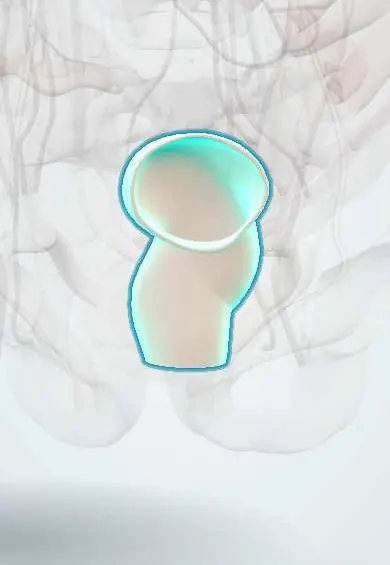
Representative model, for educational purposes only.