
Felty syndrome
Felty syndrome is a rare turn of long-standing rheumatoid arthritis: the spleen enlarges and white cells fall, so serious infections become the main danger.
Quick facts
- Key signs
- Recurrent bacterial infections · Fatigue · Signs
- Diagnosis
- Abdominal ultrasound or CT
Red flags ↓
No doses: the clinician sets them by the current guideline.
What it is
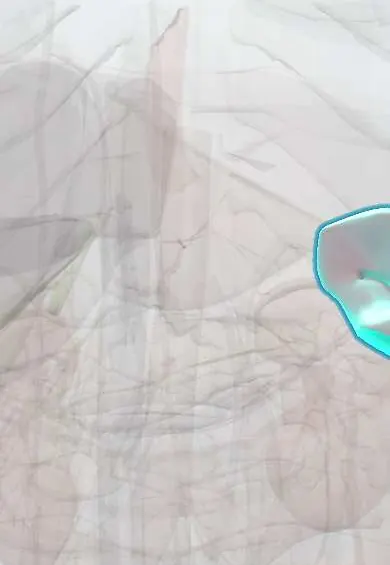
Felty syndrome is the triad of rheumatoid arthritis, splenomegaly and neutropenia (absolute neutrophil count below 1500/µL in current definitions; older ones used 2000/µL), usually in long-standing, seropositive, erosive disease. It overlaps with T-cell large granular lymphocyte (LGL) leukaemia and its main risk is bacterial infection.
Who gets it
Felty syndrome affected about 1% of people with rheumatoid arthritis in older series and about 0.5% today, and it is becoming rarer with early, effective treatment. It usually appears after ten or more years of disease and is more frequent in women. In routine practice today, most neutropenia in rheumatoid arthritis is caused by drugs (IL-6 inhibitors and methotrexate above all), not by Felty syndrome.
Causes
- Long-standing, seropositive (high-titre rheumatoid factor and anti-CCP) and erosive rheumatoid arthritis
- Strong genetic association with HLA-DR4
- Clonal expansion of large granular T lymphocytes in a portion of patients, with somatic STAT3 mutations in about 40% in one series, overlapping with T-LGL leukaemia
Risk factors
- Rheumatoid arthritis of more than ten years with joint erosions
- Other extra-articular rheumatoid disease, such as nodules or vasculitis
- HLA-DR4 carriage and female sex
- Poorly controlled or untreated rheumatoid arthritis
Pathophysiology
Long-standing rheumatoid autoimmunity → antibodies against neutrophils (and in some patients against G-CSF) coat and destroy them → neutrophils are also held back in the enlarged spleen → activated T cells and cytokines suppress granulocyte production → the neutrophil count falls → bacterial infections, especially of the skin and respiratory tract, become frequent, and the risk rises as the count falls. In some patients a clone of large granular CD8+ T lymphocytes drives the neutropenia, the same mechanism as T-LGL leukaemia.
Classification
- Classic Felty syndrome: rheumatoid arthritis, splenomegaly, neutropenia
- Felty syndrome with a large granular lymphocyte clone (overlap with T-LGL leukaemia)
- Incomplete forms: neutropenia without palpable splenomegaly, or splenomegaly found only on imaging
Symptoms and signs
- Recurrent bacterial infections, especially of the skin and respiratory tract
- Fatigue, weight loss and sometimes fever
- Left upper quadrant fullness or early satiety from an enlarged spleen (often no symptoms)
- Joint deformities from old rheumatoid arthritis; the joints may be quiet, and rare cases present without arthritis
- Signs: splenomegaly, skin and mucosal ulcers, lymph node enlargement; anaemia and low platelets may coexist
Diagnosis
- Clinical
- Suspect it in a patient with long-standing seropositive rheumatoid arthritis who develops a low neutrophil count, repeated infections or a palpable spleen. First exclude the common causes: disease-modifying drugs (methotrexate, sulfasalazine, IL-6 inhibitors), infection, liver disease with hypersplenism and lupus.
- Tests
- Complete blood count with differential and blood film (neutropenia below 1500/µL; anaemia and thrombocytopenia may coexist). Rheumatoid factor and anti-CCP, usually positive and often high; ANA may be positive. Flow cytometry of blood for large granular lymphocytes (CD3+, CD8+, CD57+) and T-cell receptor clonality or STAT3 testing when LGL leukaemia is possible. Liver tests and viral serology to exclude other causes. Bone marrow examination when the cause is unclear or another cytopenia is present.
- Imaging
- Abdominal ultrasound or CT confirms splenomegaly and assesses the liver and portal vein. Hand and foot radiographs show the erosive rheumatoid disease.
Differential diagnosis
- Drug-induced neutropenia (methotrexate, sulfasalazine, IL-6 inhibitors and other DMARDs)
- T-cell large granular lymphocyte leukaemia
- Systemic lupus erythematosus
- Cirrhosis or portal hypertension with hypersplenism
- Lymphoma and other haematological malignancy
- Viral and other infections
Low neutrophils in a patient with rheumatoid arthritis: which cause?
| Cause | Spleen | Key clue | How to tell |
|---|---|---|---|
| Felty syndrome | Enlarged | Long-standing seropositive RA, extra-articular disease, skin ulcers | Exclude drugs; RF and/or anti-CCP positive |
| T-LGL leukaemia | Often enlarged | Raised large granular lymphocytes on the film | Flow cytometry, T-cell clonality, STAT3 |
| Drug-induced neutropenia | Normal | Timing after starting or raising a DMARD | Count recovers when the drug is reduced or stopped |
| Systemic lupus erythematosus | Normal or mildly enlarged | Rash, serositis, kidney disease, low complement | ANA, anti-dsDNA, complement |
| Hypersplenism from liver disease | Enlarged | Varices, ascites, low platelets more than neutrophils | Liver tests, imaging of liver and portal vein |
Goal of treatment
Control the rheumatoid process so the neutrophil count recovers, prevent and treat infections promptly, and reserve splenectomy for disease that does not respond.
Treatment
- Medical
- Disease-modifying antirheumatic therapy is the base of treatment: methotrexate and rituximab are the preferred options (methotrexate despite causing neutropenia in other patients); abatacept, tocilizumab and others have worked in case reports. Glucocorticoids raise the count only temporarily and serve as a bridge.
- Acute
- Fever with severe neutropenia is managed as febrile neutropenia with urgent cultures and broad-spectrum antibiotics; granulocyte colony-stimulating factor (G-CSF) raises the neutrophil count and is used in severe infection or before surgery.
- Surgical
- Splenectomy has a small role, kept for refractory neutropenia with recurrent infections; vaccination against encapsulated bacteria is completed beforehand.
- Follow-up
- Regular blood counts, review of every drug that can lower neutrophils, and surveillance for lymphoma and liver disease; patients are taught to seek care early for fever.
Complications
- Severe and recurrent bacterial infections, including sepsis
- Chronic skin ulcers
- Portal hypertension
- Higher risk of lymphoma (non-Hodgkin and Hodgkin)
- Rheumatoid vasculitis
- Complications of splenectomy: overwhelming infection with encapsulated bacteria
Common traps
- Neutropenia in a patient on methotrexate is always the drug: in long-standing seropositive RA with a big spleen, think of Felty syndrome, which methotrexate is used to treat.
- Felty syndrome needs active synovitis: the joints may be quiet or burnt out when the neutropenia appears, and rare cases start without arthritis.
- Felty syndrome and LGL leukaemia are unrelated: they overlap, and somatic STAT3 mutations in CD8+ T cells were found in about 40% of Felty patients in one series, so flow cytometry belongs in the work-up.
- Growth factor is the long-term fix: G-CSF raises the count for infection or surgery; durable control comes from treating the rheumatoid arthritis.
- Splenectomy is the standard fix: its role is small, kept for refractory cases, and the patient then also carries the infection risk of asplenia.
Prognosis
Most patients improve when the rheumatoid arthritis is well controlled. Outcome depends on the depth of neutropenia and the number of serious infections, which drive the higher mortality; lymphoma and portal hypertension add to the risk.
Prevention
- Early, sustained control of rheumatoid arthritis
- Regular blood counts during DMARD therapy
- Vaccination (pneumococcal, influenza and others) and prompt care for fever
- Vaccination against encapsulated bacteria before planned splenectomy
Test yourself
Think of the answer, then tap the question to see it.
What triad defines Felty syndrome?
Rheumatoid arthritis, splenomegaly and neutropenia (neutrophils below 1500/µL in current definitions).
Why does the neutrophil count fall in Felty syndrome?
Antibodies coat and destroy neutrophils, the enlarged spleen holds them back, and activated T cells suppress granulocyte production in the marrow.
A 62-year-old woman with 15 years of erosive seropositive RA has leg ulcers, a palpable spleen and neutrophils of 800/µL. Diagnosis and next step?
Likely Felty syndrome. Exclude drugs and infection, then check the film and flow cytometry for a large granular lymphocyte clone; treat the RA (methotrexate or rituximab).
Which haematological disease overlaps with Felty syndrome and shares STAT3 mutations?
T-cell large granular lymphocyte (T-LGL) leukaemia.
When is splenectomy considered in Felty syndrome?
For refractory neutropenia with recurrent infections that does not respond to disease-modifying therapy; its role is small, and vaccination against encapsulated bacteria comes first.
Connections
Educational information, not medical advice. For any symptom, see a health professional.
Sources: Neutropenia and Felty Syndrome in the Twenty-First Century: Redefining Ancient Concepts in Rheumatoid Arthritis Patients. (Journal of Clinical Medicine, 2024); Somatic STAT3 mutations in Felty syndrome: an implication for a common pathogenesis with large granular lymphocyte leukemia. (Haematologica, 2018); Systemic complications of rheumatoid arthritis: Focus on pathogenesis and treatment (Frontiers in Immunology, 2022); Atypical presentation of Felty syndrome: Successful management with rituximab therapy. A case report and review of literature (Clinical Case Reports, 2024).
Spotted a mistake?We are always improving for the community. Tell us what is wrong and our team will review it.Report a mistake
Representative model, for educational purposes only.