Conditions · Hematology and oncology
Neutropenia and drug-induced agranulocytosis !
Too few neutrophils, the white cells that fight bacteria. When a medicine wipes them out almost completely, a simple sore throat can turn into sepsis.
Updated 2026-11-01
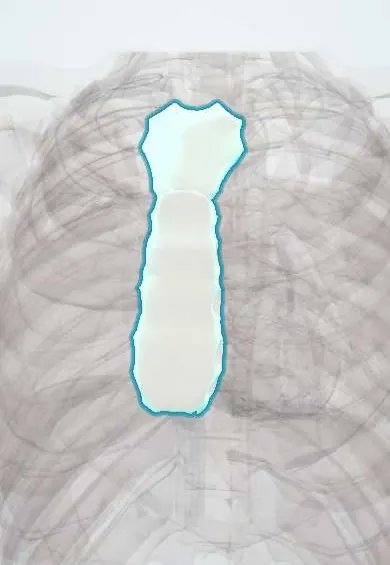
Structures involved
Tap one to see what it is and open it in 3D.
Why it happens
- Injury by therapeutic drugs: the classic examples
- White blood cells: types and functions
- Hematopoiesis
What it is
Neutropenia is an absolute neutrophil count (ANC) below the normal range, usually under 1500 cells/µL in adults; it is severe below 500/µL. Agranulocytosis is the near-total absence of neutrophils, most often an idiosyncratic reaction to a non-chemotherapy drug, and is a medical emergency because of the risk of overwhelming infection.
Who gets it
Chemotherapy is the commonest cause of neutropenia overall. Idiosyncratic drug-induced agranulocytosis is rare, affects older adults and women more often, and usually starts within the first weeks to three months of a new drug. In Latin America, including Colombia, metamizole (dipyrone), an analgesic sold widely without restriction, is a classic culprit alongside antithyroid drugs and clozapine. Some people of African or Middle Eastern descent have a lifelong mild, harmless low count (Duffy-null associated neutrophil count).
Causes
- Non-chemotherapy drugs: antithyroid drugs (methimazole, propylthiouracil), clozapine, metamizole, sulfonamides and sulfasalazine, some beta-lactams, carbamazepine, ticlopidine, dapsone
- Cytotoxic chemotherapy and immunosuppressants (predictable, dose-related marrow suppression)
- Infections: viral (EBV, HIV, hepatitis, dengue), severe sepsis, tuberculosis, typhoid, malaria and leishmaniasis
- Nutritional: vitamin B12, folate or copper deficiency
- Marrow failure or infiltration: aplastic anaemia, leukaemia, myelodysplasia, metastatic cancer
- Immune destruction: autoimmune neutropenia, lupus, Felty syndrome (rheumatoid arthritis with splenomegaly), large granular lymphocyte leukaemia
- Congenital forms: severe congenital neutropenia and cyclic neutropenia (ELANE mutations)
Risk factors
- Starting a high-risk drug in the previous three months
- Older age and female sex
- Previous reaction to the same drug (re-exposure can cause a rapid relapse)
- Kidney failure, which raises drug levels
- Autoimmune disease or splenomegaly
Pathophysiology
Neutrophils live only hours in the blood, so any fall in marrow output or rise in destruction shows up quickly. Drugs act in two ways: some act as haptens on the neutrophil surface and trigger antibodies that destroy mature cells within days, while others, or their reactive metabolites, are directly toxic to myeloid precursors after weeks of use. Without neutrophils the body cannot contain bacteria and fungi from the mouth, gut and skin; pus and local inflammation are reduced, so infections spread with few signs other than fever. Infection risk rises sharply below 500/µL and is highest below 100/µL.
Classification
- Mild: ANC 1000–1500/µL
- Moderate: ANC 500–1000/µL
- Severe: ANC below 500/µL
- Agranulocytosis: ANC below 100–500/µL, usually drug-induced
- By mechanism: reduced production, peripheral destruction, or pooling (margination, splenic sequestration)
Symptoms and signs
- Often no symptoms until an infection appears
- Sudden high fever, chills and malaise
- Severe sore throat, painful swallowing and mouth ulcers
- Gum inflammation and recurrent skin or perianal infections
- Pneumonia or sepsis in severe cases
Diagnosis
- Clinical
- Suspect it in any febrile patient taking a high-risk drug. Ask about every medicine started in recent months, including over-the-counter analgesics, and look for oral ulcers, pharyngitis, skin and perianal infection. Neutropenic patients may have pneumonia without much on the chest X-ray and infection without pus.
- Tests
- Full blood count with differential to calculate the ANC, and a blood smear. Blood and urine cultures before antibiotics when there is fever. Repeat counts after the drug is stopped. If the cause is not clear: vitamin B12, folate and copper levels, HIV and hepatitis serology, antinuclear antibodies, and bone marrow aspirate and biopsy (marrow typically shows absent mature myeloid cells with preserved earlier precursors in drug reactions).
- Imaging
- Chest X-ray or CT and other imaging guided by the suspected site of infection; abdominal ultrasound for splenomegaly.
Differential diagnosis
- Chemotherapy-induced (febrile) neutropenia
- Aplastic anaemia
- Acute leukaemia or myelodysplastic syndrome
- Viral or severe bacterial infection with transient neutropenia
- Duffy-null associated (benign ethnic) neutropenia
- Hypersplenism and Felty syndrome
Goal of treatment
Remove the cause, treat infection fast and protect the patient until the neutrophil count recovers.
Treatment
- Acute
- Stop the suspected drug at once and do not restart it or drugs of the same class; record the reaction as an allergy.
- Acute
- Fever with severe neutropenia is treated as an emergency: cultures, then empiric broad-spectrum intravenous antibiotics within the first hour, with antifungals if fever persists.
- Medical
- Granulocyte colony-stimulating factor (G-CSF) may shorten recovery in severe agranulocytosis; treat underlying causes such as vitamin deficiency or autoimmune disease.
- Follow-up
- Counts usually recover one to three weeks after the drug is stopped. Clozapine requires regular ANC monitoring by protocol; patients on antithyroid drugs are taught to stop the drug and get a blood count if fever or sore throat appears.
- Follow-up
- Nursing care: neutropenic precautions with strict hand hygiene, avoiding rectal temperatures and enemas, daily inspection of mouth, skin and catheter sites, oral hygiene, frequent vital signs and early report of any fever.
Drugs for this condition
Complications
- Sepsis and septic shock
- Pneumonia, pharyngeal and deep neck infections
- Perianal abscess and neutropenic enterocolitis
- Invasive fungal infection with prolonged neutropenia
- Death, reported in up to about one in five cases of drug-induced agranulocytosis
Prognosis
Drug-induced agranulocytosis usually reverses fully when the drug is stopped and infections are treated early; mortality is higher in older patients, with kidney failure or septic shock. Congenital and marrow-failure forms depend on the underlying disease.
Prevention
- Avoiding unnecessary use of high-risk drugs such as metamizole
- Teaching patients on antithyroid drugs or clozapine to report fever or sore throat immediately
- Scheduled blood count monitoring where protocols require it
- Never re-exposing a patient to a drug that caused agranulocytosis
Test yourself
Think of the answer, then tap the question to see it.
A woman on methimazole for Graves disease develops fever and a sore throat. What is the first step?
Stop methimazole and check a full blood count with differential urgently; if the ANC is very low, give empiric broad-spectrum antibiotics.
Which antipsychotic requires mandatory regular neutrophil count monitoring?
Clozapine, because of its risk of agranulocytosis.
What ANC defines severe neutropenia?
An absolute neutrophil count below 500 cells/µL.
Which widely used analgesic in Latin America is a classic cause of agranulocytosis?
Metamizole (dipyrone).
What is a key nursing precaution for a patient with severe neutropenia?
Strict hand hygiene with no rectal temperatures or enemas, and immediate report of any fever.
Related conditions
- Febrile neutropenia
- Aplastic anaemia
- Acute leukaemia (AML and ALL)
- Myelodysplastic syndromes
- Megaloblastic anaemia (B12 or folate deficiency)
- Schizophrenia
- Graves disease (hyperthyroidism)
- Systemic lupus erythematosus
- Rheumatoid arthritis
- HIV infection and AIDS
- Infectious mononucleosis
- Streptococcal pharyngitis
- Sepsis and septic shock
- Candidiasis: oral, oesophageal and invasive
Educational information, not medical advice. For any symptom, see a health professional.
Sources: Agranulocytosis (MedlinePlus (U.S. National Library of Medicine), 2026); Acute Iatrogenic Agranulocytosis: A Rare and Dire Case of an Adverse Drug Reaction to Be Aware (Case Reports in Hematology (PubMed Central), 2020).
Spotted a mistake?We are always improving for the community. Tell us what is wrong and our team will review it.Report a mistake
Representative model, for educational purposes only.