Conditions · Metabolism (biochemistry)
Mercury poisoning !
Mercury inhibits thiol-containing enzymes; it damages the brain, nerves and kidney. In Colombia gold mining is the main source.
Updated 2026-11-01
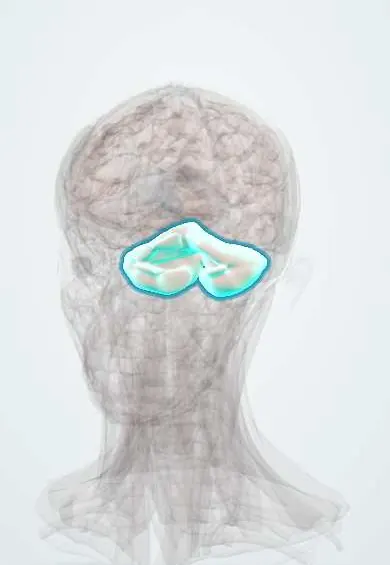
Structures involved
Tap one to see what it is and open it in 3D.
Why it happens
- Heavy metals: lead, mercury, arsenic and cadmium
- Chemical (toxic) cell injury: direct and after metabolism
What it is
Poisoning by elemental mercury (vapour), inorganic salts or organic compounds such as methylmercury, which accumulate and bind protein sulfhydryl groups.
Who gets it
WHO lists it among the ten chemicals of greatest public health concern; artisanal gold mining is an important source worldwide. In Colombia mercury amalgamation in gold mining (Antioquia, Chocó, southern Bolívar and the Amazon) exposes miners, people who burn the amalgam and communities who eat fish from contaminated rivers.
Causes
- Vapour inhalation when burning gold amalgam or from thermometer spills
- Eating predatory fish containing methylmercury
- Inorganic salts in skin-lightening creams or other products
- Occupational exposure in chlor-alkali plants or lamp manufacturing
Risk factors
- Artisanal gold mining and miners' families
- Riverside communities eating a lot of fish
- Pregnancy (the fetus is the most vulnerable to methylmercury)
- Use of mercury-containing creams or home remedies
Pathophysiology
Mercury binds sulfhydryl (–SH) and selenol groups of enzymes and proteins with high affinity: it disrupts protein synthesis, mitochondrial function, glutathione and neuronal microtubules. Elemental vapour is absorbed by the lung, crosses the blood–brain barrier and is oxidised to Hg²⁺ inside the brain. Inorganic salts are corrosive and concentrate in the renal proximal tubule. Methylmercury is almost fully absorbed in the gut and enters the brain and placenta bound to cysteine (mimicking methionine), damaging the visual cortex and cerebellum (Minamata disease).
Classification
- Elemental (vapour): lung and nervous system
- Inorganic (salts): gut and kidney
- Organic (methylmercury): nervous system and fetus
Symptoms and signs
- Fine tremor, irritability, shyness and mood changes (erethism)
- Swollen gums, salivation and metallic taste
- Ataxia, tingling around the mouth and in the limbs, and tunnel vision (methylmercury)
- Cough and breathlessness after inhaling large amounts of vapour
- Bloody vomiting and abdominal pain (swallowed salts)
- Oedema from nephrotic syndrome
Diagnosis
- Clinical
- Occupational, environmental or dietary exposure with neurological, oral or kidney symptoms.
- Tests
- 24-hour urine mercury (elemental and inorganic exposure); whole-blood or hair mercury (methylmercury); kidney function and proteinuria.
- Imaging
- Chest X-ray after acute inhalation; MRI can show cerebellar and visual cortex atrophy in chronic methylmercury poisoning.
Treatment
- Conservative
- Removing the source of exposure; the most important measure.
- Medical
- Chelation (dimercaprol, succimer or unithiol) for significant elemental or inorganic exposure, guided by toxicology.
- Acute
- Respiratory support in vapour pneumonitis and management of corrosive gastroenteritis and shock.
- Follow-up
- Follow-up of levels, kidney function and neurological status.
Drugs for this condition
Complications
- Permanent neurological damage (ataxia, visual loss)
- Neurodevelopmental problems from fetal exposure
- Nephrotic syndrome and kidney failure
- Acrodynia in children (painful, red hands and feet)
Prevention
- Mercury-free mining techniques (Minamata Convention)
- Moderate intake of predatory fish in pregnancy and childhood
- Safe handling of thermometer and lamp spills
Test yourself
Think of the answer, then tap the question to see it.
Which protein groups does mercury bind?
Sulfhydryl (–SH) and selenol groups, which inhibits many enzymes.
Which form of mercury builds up in fish and which organ does it damage most?
Methylmercury; it mainly damages the nervous system, especially the fetus's.
Which sample is best for mercury vapour exposure?
24-hour urine mercury.
What is the main source of mercury exposure in Colombia?
Artisanal gold mining, which uses mercury to amalgamate gold and releases it into rivers and air.
Related conditions
Educational information, not medical advice. For any symptom, see a health professional.
Sources: Mercury poisoning: MedlinePlus Medical Encyclopedia (MedlinePlus, US National Library of Medicine, 2026); Mercury (World Health Organization, 2026); Textbook of Biochemistry for Medical Students, 6th ed. (Jaypee Brothers Medical Publishers (Vasudevan DM, Sreekumari S, Vaidyanathan K), 2011).
Spotted a mistake?We are always improving for the community. Tell us what is wrong and our team will review it.Report a mistake
Representative model, for educational purposes only.