Conditions · Infectious and tropical diseases
Psittacosis !
A bird-borne bacterial infection (parrots, parakeets, poultry) that causes fever, headache and an atypical pneumonia; it responds to doxycycline.
Updated 2026-11-01
Structures involved
Tap one to see what it is and open it in 3D.
Why it happens
What it is
Systemic infection by Chlamydia psittaci, acquired by breathing dust from droppings, feathers or secretions of infected birds. It usually presents as an atypical pneumonia with severe headache, and occasionally affects the heart, liver or nervous system. It is also called ornithosis or parrot fever.
Who gets it
Occurs worldwide, sporadically or in clusters linked to pet shops, aviaries and poultry plants. Few cases are reported because testing is rarely done, so it is likely underdiagnosed. In Colombia and Latin America, keeping parrots and other wild birds as pets and the illegal bird trade create exposure.
Causes
- Chlamydia psittaci, an obligate intracellular bacterium
- Reservoir: parrots, parakeets, cockatiels and other psittacine birds, also pigeons, ducks, turkeys and chickens
- Inhalation of dried droppings or respiratory secretions; less often bites or beak-to-mouth contact
- Infected birds may look healthy and shed the organism intermittently, especially when stressed
Risk factors
- Owning pet birds, especially recently acquired or sick ones
- Work in pet shops, aviaries, zoos, poultry farms and processing plants
- Veterinary work and cleaning of cages or bird housing
- Contact with feral pigeons
Pathophysiology
Inhaled elementary bodies reach the alveoli, are taken up by macrophages and travel to the reticuloendothelial cells of the liver and spleen, where they multiply. They then spread through the blood back to the lungs and other organs. In the lung they cause lymphocytic inflammation of the alveolar walls and interstitium, producing an atypical pneumonia with more radiological change than the clinical exam suggests.
Classification
- Mild febrile flu-like illness
- Atypical pneumonia (most common presentation)
- Severe systemic disease with respiratory failure and organ involvement
Symptoms and signs
- Sudden fever, chills and a severe headache 5 to 14 days after exposure
- Dry cough, sometimes with breathlessness or blood-streaked sputum
- Muscle and joint pain and marked tiredness
- Pulse slower than expected for the fever (relative bradycardia) and an enlarged spleen
- Sometimes faint pink spots on the skin, sore throat, diarrhea or confusion
Diagnosis
- Clinical
- Suspected in pneumonia with severe headache, relative bradycardia or splenomegaly and recent bird contact; asking about birds is the key step.
- Tests
- PCR of respiratory samples (sputum, nasopharyngeal swab) is preferred where available; serology showing a fourfold rise between paired samples supports the diagnosis but cross-reacts with other chlamydiae. White count is often normal; liver enzymes may be raised. Culture is avoided because of laboratory risk.
- Imaging
- Chest X-ray shows patchy, often lower-lobe infiltrates or consolidation, frequently more extensive than the exam suggests; small pleural effusions can occur.
Differential diagnosis
- Mycoplasma and Chlamydia pneumoniae pneumonia
- Legionnaires disease
- Q fever
- Influenza and other viral pneumonias
- Tularemia and hypersensitivity pneumonitis in bird handlers
Goal of treatment
Clear the infection quickly with an antibiotic active inside cells, support breathing if needed and trace the bird source to protect other people.
Treatment
- Medical
- A tetracycline (doxycycline) is first-line; a macrolide is the alternative for young children, pregnancy or when tetracyclines cannot be used. Beta-lactams are not effective.
- Acute
- Hospital care with oxygen and, in severe cases, ventilatory support in intensive care.
- Follow-up
- Watch for fever settling within one to two days of treatment, oxygen saturation and complications; report the case so that public health can trace and treat the source birds.
Complications
- Severe pneumonia and respiratory failure
- Endocarditis and myocarditis
- Hepatitis
- Encephalitis and other neurological involvement
- Relapse when treatment is too short
Prognosis
With timely treatment, death is rare (under 1%), and most patients recover fully; untreated severe cases and the elderly have higher mortality.
Prevention
- Buying birds from controlled sources and quarantining new birds
- Cleaning cages often, wetting droppings before cleaning to avoid dust, and wearing a mask and gloves
- Seeking care for sick birds and testing or treating flocks after a human case
- Not trading or keeping wild birds
Test yourself
Think of the answer, then tap the question to see it.
Which organism causes psittacosis and what is the usual source?
Chlamydia psittaci, from inhaled dust of droppings or secretions of infected birds, especially parrots and parakeets.
What clinical clues suggest psittacosis in a patient with pneumonia?
Severe headache, relative bradycardia, splenomegaly and contact with birds.
What is the first-line treatment?
A tetracycline (doxycycline); a macrolide is the alternative.
Why are blood cultures and beta-lactams unhelpful?
The organism is obligately intracellular, does not grow in routine cultures and lacks a target for beta-lactams.
Related conditions
- Community-acquired pneumonia
- Legionnaires disease and Pontiac fever
- Q fever
- Influenza (flu)
- Infective endocarditis
- Viral hepatitis
- Tularaemia
- Hypersensitivity pneumonitis
- Acute respiratory distress syndrome (ARDS)
Educational information, not medical advice. For any symptom, see a health professional.
Sources: About Psittacosis | Psittacosis | CDC (Centers for Disease Control and Prevention, 2024); Psittacosis: MedlinePlus Medical Encyclopedia (MedlinePlus (U.S. National Library of Medicine), 2024).
Spotted a mistake?We are always improving for the community. Tell us what is wrong and our team will review it.Report a mistake
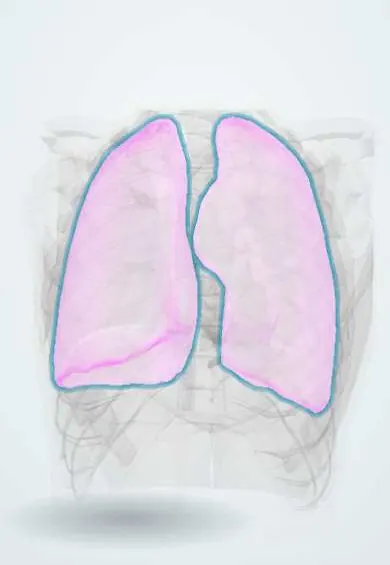
Representative model, for educational purposes only.