Schizoaffective, schizophreniform, brief psychotic and delusional disorders !
Psychotic disorders other than schizophrenia, told apart mainly by how long symptoms last and whether major mood episodes are present.
Updated 2026-11-01
Structures involved
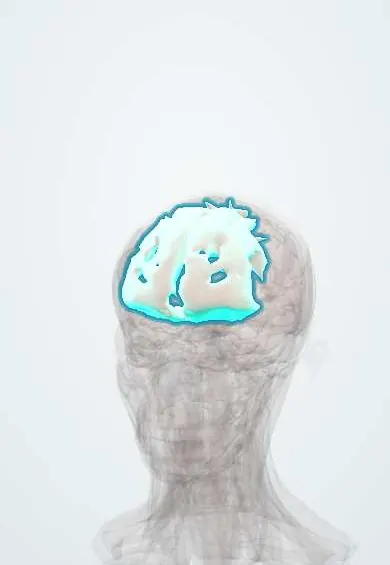
Tap one to see what it is and open it in 3D.
What it is
A group of primary psychotic disorders related to schizophrenia. Brief psychotic disorder lasts at least 1 day but under 1 month; schizophreniform disorder lasts 1 to 6 months; schizoaffective disorder combines schizophrenia-like psychosis with major mood episodes; delusional disorder involves one or more fixed delusions for at least 1 month without other prominent psychotic symptoms.
Who gets it
Each is less common than schizophrenia: schizoaffective disorder affects about 0.3% of people and delusional disorder about 0.2%. Brief psychotic disorder is more frequent after major stressors and in the postpartum period. In Colombia, psychotic disorders are covered within the national mental health policy and the community mental health routes.
Causes
- Genetic vulnerability shared with schizophrenia and bipolar disorder
- Severe psychosocial stress (brief psychotic disorder)
- Childbirth (brief psychotic disorder with postpartum onset)
- Cannabis and stimulant use as triggers
Risk factors
- Family history of schizophrenia or bipolar disorder
- Pre-existing personality disorders (brief psychotic disorder)
- Older age, social isolation, hearing loss and immigration (delusional disorder)
- Substance use, particularly high-potency cannabis
Pathophysiology
As in schizophrenia, excess dopamine activity in the mesolimbic pathway is linked to positive symptoms, while reduced prefrontal activity relates to negative and cognitive symptoms. Schizoaffective disorder shares features of both schizophrenia and mood disorders. The neurobiology of delusional disorder is less clear and involves abnormal belief formation with otherwise preserved thinking.
Classification
- Brief psychotic disorder: at least 1 day and less than 1 month, with full return to previous functioning
- Schizophreniform disorder: 1 to 6 months; meets schizophrenia symptom criteria but not its duration
- Schizoaffective disorder: psychosis with concurrent major mood episodes, plus at least 2 weeks of psychosis without mood symptoms; bipolar or depressive type
- Delusional disorder: delusions for at least 1 month; erotomanic, grandiose, jealous, persecutory, somatic or mixed type; functioning relatively preserved
Symptoms and signs
- Delusions (persecutory, jealous, grandiose, somatic or erotomanic)
- Hallucinations, usually auditory
- Disorganised speech or behaviour
- Depressive or manic symptoms in schizoaffective disorder
- In delusional disorder: otherwise normal behaviour outside the delusional theme
Diagnosis
- Clinical
- Detailed psychiatric history with timeline: total duration of psychotic symptoms and the presence and timing of major mood episodes determine the diagnosis. Collateral history from family, mental status examination and suicide and violence risk assessment are essential.
- Tests
- In a first episode: complete blood count, electrolytes, glucose, kidney, liver and thyroid function, urine toxicology, and tests for syphilis and HIV; others depending on the history.
- Imaging
- Brain MRI or CT in a first episode with atypical features, late onset or neurological signs; EEG if seizures or delirium are suspected.
Differential diagnosis
- Schizophrenia (6 months or more)
- Bipolar or depressive disorder with psychotic features (psychosis only during mood episodes)
- Substance- or medicine-induced psychotic disorder
- Psychosis due to a medical condition: delirium, epilepsy, brain tumour, encephalitis, dementia
- Obsessive-compulsive disorder with poor insight
Goal of treatment
Ensure safety, control psychotic and mood symptoms, prevent relapse and restore social and occupational functioning.
Treatment
- Acute
- In acute psychosis with risk to self or others: a safe environment, verbal de-escalation and, if needed, hospital admission and short-term sedation.
- Medical
- Antipsychotics, preferably second-generation, are the core treatment; in schizoaffective disorder they are combined with mood stabilisers (bipolar type) or antidepressants (depressive type).
- Conservative
- Psychotherapy (cognitive behavioural therapy for psychosis), family psychoeducation and psychosocial rehabilitation; in delusional disorder, a trusting therapeutic relationship without directly confronting the delusion.
- Follow-up
- Monitoring of adherence, metabolic adverse effects of antipsychotics (weight, glucose, lipids), movement disorders and early signs of relapse.
Complications
- Suicide, especially in schizoaffective disorder
- Progression of schizophreniform disorder to schizophrenia (about two thirds of cases)
- Violence related to delusions (for example, jealousy)
- Adverse effects of antipsychotics: metabolic syndrome, tardive dyskinesia, neuroleptic malignant syndrome
- Social isolation and loss of employment
Prognosis
Brief psychotic disorder usually resolves fully, although it can recur. About one third of people with schizophreniform disorder recover; the rest progress to schizophrenia or schizoaffective disorder. Schizoaffective disorder has an outcome between that of mood disorders and schizophrenia. Delusional disorder is often chronic, but functioning tends to be preserved.
Test yourself
Think of the answer, then tap the question to see it.
Psychotic symptoms lasting 3 months with full return to baseline: which diagnosis?
Schizophreniform disorder (1 to 6 months).
What separates schizoaffective disorder from a mood disorder with psychotic features?
In schizoaffective disorder there are at least 2 weeks of psychosis without major mood symptoms.
What is the maximum duration of brief psychotic disorder?
Less than 1 month, with full return to previous functioning.
Which disorder features fixed delusions with otherwise relatively normal functioning and behaviour?
Delusional disorder.
Which drug class is the core treatment for these disorders?
Antipsychotics, preferably second-generation.
Related conditions
- Schizophrenia
- Bipolar disorder
- Major depressive disorder
- Delirium
- Perinatal depression and postpartum psychosis
- Neuroleptic malignant syndrome
- Suicidal behaviour and suicide risk
- Cannabis use disorder
- Stimulant use disorder (cocaine, amphetamines)
- Dementia (major neurocognitive disorder)
Educational information, not medical advice. For any symptom, see a health professional.
Sources: Schizoaffective disorder (MedlinePlus (U.S. National Library of Medicine), 2025); Psychotic Disorders (MedlinePlus (U.S. National Library of Medicine), 2025).
Spotted a mistake?We are always improving for the community. Tell us what is wrong and our team will review it.Report a mistake
Representative model, for educational purposes only.