Conditions · Infectious and tropical diseases
Yaws and endemic treponematoses !
Yaws, bejel and pinta are non-sexual treponemal infections of children in poor tropical areas that harm skin, bone or mucosa; one antibiotic dose cures them.
Updated 2026-11-01
Structures involved
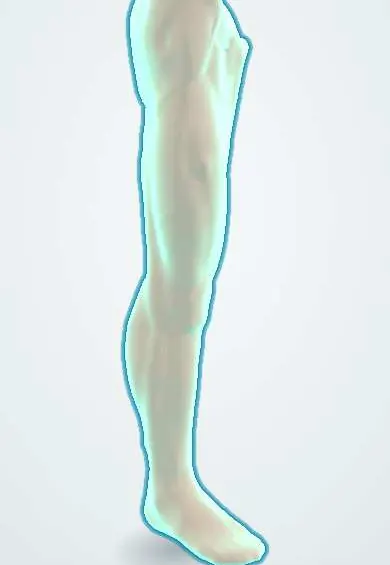
Tap one to see what it is and open it in 3D.
Microorganisms that cause it
Why it happens
What it is
Chronic infections by Treponema pallidum subspecies closely related to syphilis but spread by skin or mouth contact, mainly in children. Yaws (T. pallidum pertenue) affects skin and bone; bejel or endemic syphilis (T. pallidum endemicum) affects mucosa, skin and bone; pinta (T. carateum) affects only the skin.
Who gets it
Yaws remains endemic in warm, humid rural areas of West and Central Africa, South-East Asia and the Pacific, where most reported cases occur; 75–80% of patients are children under 15. Mass penicillin campaigns in the mid-20th century eliminated most yaws from the Americas, including Colombia's Pacific coast. Pinta is the only one native to the Americas and survives, if at all, in remote communities. Bejel occurs in dry regions of the Sahel and Arabian Peninsula. WHO aims to eradicate yaws.
Causes
- Yaws: Treponema pallidum subspecies pertenue, by direct skin contact with lesions
- Bejel: T. pallidum subspecies endemicum, by mouth contact and shared drinking vessels
- Pinta: Treponema carateum, by prolonged skin contact
- Humans are the only known reservoir; none is sexually transmitted
Risk factors
- Childhood, especially ages 6 to 10
- Poverty, crowding and poor access to water, soap and health care
- Warm, humid rural or forest settings (yaws) or dry regions (bejel)
- Skin cuts, insect bites and scratches that let the bacteria in
Pathophysiology
Treponemes enter through broken skin or mucosa and multiply locally, forming a lesion rich in bacteria. They then spread through blood and lymph, producing secondary skin lesions and inflammation of the periosteum and bone, especially in the long bones and fingers. Untreated, late disease causes gummas and destructive lesions of skin, bone and cartilage. Unlike venereal syphilis, there is no congenital infection and the heart and nervous system are spared.
Classification
- Yaws primary stage: "mother yaw", a raspberry-like papilloma that may ulcerate
- Yaws secondary stage: multiple papillomas, scaly plaques, painful thickening of the soles, bone pain and dactylitis
- Yaws tertiary stage: gummas, saber shin, gangosa (destruction of nose and palate) and goundou (paranasal bone overgrowth)
- Bejel: mucous patches in the mouth, angular cracks and later gummas of skin and bone
- Pinta: scaly papules, then patches that change colour (blue, red, then white depigmentation)
Symptoms and signs
- Painless wart-like, crusted or raspberry-like papules, usually on the legs, which can ulcerate
- Crops of new skin lesions and painful, thickened, cracked soles that cause a crab-like gait
- Bone pain and swelling of the shins and fingers
- In bejel: mouth ulcers, hoarseness and cracks at the corners of the mouth
- In pinta: itchy scaly patches that later lose or change colour
Diagnosis
- Clinical
- Based on typical skin or bone lesions in a child living in or coming from an endemic area. Ulcers that look like yaws are often due to Haemophilus ducreyi, so laboratory confirmation matters.
- Tests
- Treponemal and non-treponemal serology (TPPA, RPR) and rapid treponemal tests; they cannot separate these infections from syphilis, so history and clinical picture decide. Dual rapid tests distinguish current from past infection, and PCR of lesion material confirms yaws and detects macrolide resistance.
- Imaging
- X-rays of affected bones show periostitis, cortical thickening and the anterior bowing of the tibia (saber shin) in late disease.
Differential diagnosis
- Venereal syphilis
- Cutaneous ulcers from Haemophilus ducreyi
- Cutaneous leishmaniasis and tropical ulcer
- Leprosy, vitiligo and fungal infections (for pinta)
- Bacterial osteomyelitis and sickle cell dactylitis
Goal of treatment
Cure the patient with a single antibiotic dose, treat the community to interrupt transmission and prevent late disfigurement.
Treatment
- Medical
- A single oral dose of azithromycin, the preferred treatment; benzathine penicillin by injection when azithromycin cannot be used or fails.
- Medical
- Treatment of household and school contacts and, in endemic areas, mass treatment of the whole community with high coverage, as part of the eradication strategy.
- Follow-up
- Re-examination about four weeks after treatment; lesions that persist need testing for macrolide resistance and alternative treatment.
Complications
- Saber shin and other bone deformities
- Gangosa: destruction of the nose and palate
- Disfiguring skin scars and contractures
- Permanent depigmentation in pinta
- Disability and social stigma
Prognosis
Early disease heals in over 95% of patients after a single dose. Late bone and cartilage damage is permanent, which is why early detection and community treatment matter.
Prevention
- Community mass treatment and active case finding in endemic areas
- Improving access to water, soap and personal hygiene
- Covering skin lesions and treating contacts
Test yourself
Think of the answer, then tap the question to see it.
Which organism causes yaws?
Treponema pallidum subspecies pertenue.
How do the endemic treponematoses differ from venereal syphilis in transmission?
They spread by non-sexual skin or mouth contact, mostly among children, and are not transmitted congenitally.
What is the preferred treatment for yaws?
A single oral dose of azithromycin; benzathine penicillin is the alternative.
Which endemic treponematosis affects only the skin and is native to the Americas?
Pinta, caused by Treponema carateum.
Why can serology not confirm yaws on its own?
Treponemal and non-treponemal tests are also positive in syphilis and cannot tell the infections apart.
Related conditions
Educational information, not medical advice. For any symptom, see a health professional.
Sources: Yaws (World Health Organization, 2023).
Spotted a mistake?We are always improving for the community. Tell us what is wrong and our team will review it.Report a mistake
Representative model, for educational purposes only.