Conditions · Emergency medicine and toxicology
Accidental hypothermia !
A dangerous fall in body temperature after cold exposure. It slows the heart and brain and can cause fatal heart rhythms.
Updated 2026-11-01
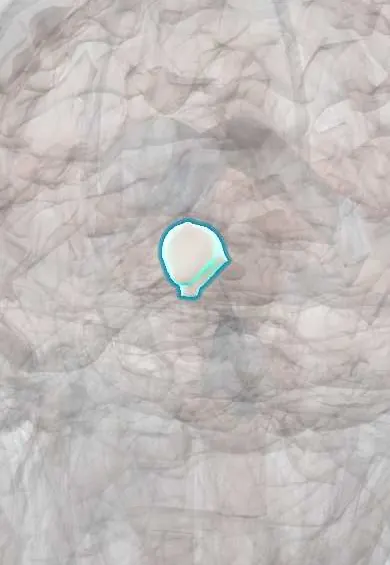
Structures involved
Tap one to see what it is and open it in 3D.
Why it happens
- Thermal injury: burns, hyperthermia and hypothermia
- Hypothermia and cold injury
- Body temperature regulation
- How arrhythmias arise
What it is
An unintentional fall in core body temperature below 35 °C, when heat loss exceeds the body's ability to produce heat. It progressively slows metabolism, the heart and the brain. Even severely hypothermic people can survive with good neurological outcome, which is why the saying goes 'nobody is dead until warm and dead'.
Who gets it
It occurs in cold climates but also in temperate and tropical countries: in Colombia, in high Andean areas and páramos, in mountaineers, after immersion in cold water, and in older adults, people experiencing homelessness and intoxicated people exposed at night. Older adults and people with chronic illness can develop it indoors.
Causes
- Environmental exposure to cold air, wind or rain
- Immersion or submersion in cold water
- Reduced heat production: hypothyroidism, hypoglycaemia, malnutrition, adrenal insufficiency
- Impaired thermoregulation: alcohol, sedatives, stroke, spinal cord injury, sepsis
- Increased heat loss: burns, skin disease, trauma patients exposed during resuscitation
Risk factors
- Extremes of age (older adults and infants)
- Alcohol or drug intoxication
- Homelessness and inadequate clothing or shelter
- Mountaineering, high-altitude work and water sports
- Trauma, wet clothing and prolonged immobility
Pathophysiology
The hypothalamus normally triggers shivering, vasoconstriction and behaviour to conserve heat. As core temperature falls, shivering increases metabolism at first, then stops in moderate hypothermia. Cold slows enzyme activity and nerve conduction: heart rate, blood pressure, breathing and consciousness decline. Cold diuresis causes volume loss, and the cold myocardium becomes irritable, so atrial fibrillation and then ventricular fibrillation or asystole appear in severe hypothermia. The ECG may show a characteristic J (Osborn) wave. Cold also impairs clotting enzymes, worsening bleeding in trauma.
Classification
- Mild: 32–35 °C, shivering, confusion
- Moderate: 28–32 °C, shivering stops, drowsiness, bradycardia
- Severe: below 28 °C, unconsciousness, risk of ventricular fibrillation
- Profound: below about 24 °C, apparent death or cardiac arrest
- Field (Swiss) staging by level of consciousness and shivering when no core thermometer is available
Symptoms and signs
- Shivering, cold pale skin and numbness
- Clumsiness, slurred speech and confusion
- Drowsiness progressing to unconsciousness
- Slow, shallow breathing and weak, slow pulse
- Paradoxical undressing in some severe cases
- Dilated pupils and apparent death in profound hypothermia
Diagnosis
- Clinical
- History of exposure plus a low core temperature measured with a low-reading thermometer (oesophageal, rectal or bladder; tympanic readings are less reliable). Pulse and breathing are checked for up to a minute because they may be very slow.
- Tests
- ECG (bradycardia, J or Osborn waves, atrial fibrillation), blood glucose, electrolytes with potassium, blood gas, kidney function, creatine kinase, coagulation, thyroid function and toxicology screen when indicated. Serum potassium helps decide whether prolonged resuscitation is reasonable.
- Imaging
- Imaging is guided by associated trauma; chest X-ray for aspiration or pulmonary oedema.
Differential diagnosis
- Hypoglycaemia
- Myxoedema coma
- Sepsis with hypothermia
- Alcohol or sedative intoxication
- Stroke or traumatic brain injury
Goal of treatment
Prevent further heat loss, rewarm safely at a rate matched to severity, handle the patient gently to avoid triggering ventricular fibrillation, support circulation, and treat the underlying cause.
Treatment
- Acute
- Move to a warm environment, remove wet clothing, insulate (blankets, vapour barrier) and handle gently, keeping the patient horizontal; check breathing and pulse for longer than usual.
- Conservative
- Mild hypothermia: passive external rewarming with blankets, warm environment and warm sweet drinks if alert and able to swallow.
- Medical
- Moderate to severe hypothermia: active external rewarming (forced warm-air blankets) and active internal rewarming with warmed humidified oxygen and warmed intravenous fluids; correction of glucose and treatment of the cause.
- Procedure
- Cardiac arrest: CPR continued during rewarming, with limits on defibrillation and adrenaline below about 30 °C per resuscitation guidelines; extracorporeal rewarming (ECMO or cardiopulmonary bypass) is the method of choice for hypothermic cardiac arrest or unstable circulation.
- Follow-up
- Continuous core temperature and ECG, blood pressure, glucose, potassium and urine output; nursing watches for 'afterdrop' and hypotension during rewarming and for frostbite and pressure injuries.
Complications
- Ventricular fibrillation, asystole and cardiac arrest
- Rewarming hypotension and afterdrop of core temperature
- Coagulopathy and bleeding
- Pneumonia and aspiration
- Rhabdomyolysis and acute kidney injury
- Frostbite and pancreatitis
Prognosis
Mild and moderate hypothermia usually recover fully. Even after hypothermic cardiac arrest, good neurological survival is possible with extracorporeal rewarming, especially when the cooling occurred before the arrest. Asphyxia (as in avalanche burial with an obstructed airway) and very high potassium indicate a poor outlook.
Prevention
- Layered, dry clothing and shelter in cold or high-altitude environments
- Avoiding alcohol in cold exposure and checking on vulnerable older adults and homeless people
- Preventing heat loss in trauma and surgical patients (warmed fluids, blankets)
Test yourself
Think of the answer, then tap the question to see it.
What ECG finding is characteristic of hypothermia?
The J (Osborn) wave, a positive deflection at the junction of the QRS and ST segment, along with bradycardia and prolonged intervals.
What does 'nobody is dead until warm and dead' mean?
Resuscitation of a hypothermic patient in arrest continues until rewarming, because cold protects the brain and recovery is possible.
Why are hypothermic patients handled gently and kept horizontal?
The cold myocardium is irritable, and rough movement can trigger ventricular fibrillation.
What is the preferred rewarming method for hypothermic cardiac arrest?
Extracorporeal rewarming with ECMO or cardiopulmonary bypass.
At what core temperature does hypothermia become severe, and what clinical sign often marks the transition from mild?
Below 28 °C is severe; shivering stops in moderate hypothermia (below about 32 °C).
Related conditions
- Frostbite
- Drowning
- Cardiac arrest (VF, pulseless VT, asystole, PEA)
- Acute alcohol (ethanol) intoxication
- Hypoglycaemia (including insulin-induced)
- Myxoedema coma
- Hypothyroidism
- Sepsis and septic shock
- Rhabdomyolysis
- Traumatic brain injury
- Heat stroke and heat exhaustion
Educational information, not medical advice. For any symptom, see a health professional.
Sources: Hypothermia (MedlinePlus, US National Library of Medicine, 2026).
Spotted a mistake?We are always improving for the community. Tell us what is wrong and our team will review it.Report a mistake
Representative model, for educational purposes only.