Conditions · Pediatrics and neonatology
Acute epiglottitis !
A fast bacterial infection that swells the epiglottis and can block the airway within hours. It is an emergency; vaccines have made it rare in children.
Updated 2026-11-01
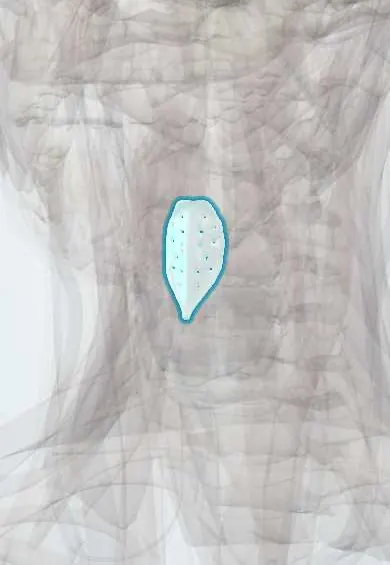
Structures involved
Tap one to see what it is and open it in 3D.
Microorganisms that cause it
Why it happens
- Vascular changes in acute inflammation: vasodilation, leakage, exudate vs transudate
- Airway resistance
What it is
Acute inflammation and swelling of the epiglottis and surrounding supraglottic tissues, usually bacterial, that can rapidly obstruct the upper airway. It is a life-threatening airway emergency.
Who gets it
Before the Haemophilus influenzae type b (Hib) vaccine it was a classic disease of children aged 2–6 years; since Hib vaccination became routine (in Colombia within the pentavalent vaccine) it is rare in children and now occurs more often in adults. Cases still appear in unvaccinated or incompletely vaccinated children.
Causes
- Haemophilus influenzae type b, the classic cause in unvaccinated children
- Streptococcus pneumoniae, Streptococcus pyogenes and Staphylococcus aureus
- Rarely viral or fungal (immunocompromised), thermal burns or caustic injury
Risk factors
- Absent or incomplete Hib vaccination
- Immunodeficiency
- Adults: diabetes, smoking, substance use
Pathophysiology
Bacterial invasion causes cellulitis of the epiglottis and aryepiglottic folds. The swollen epiglottis curls back over the glottis and, with secretions, can suddenly and completely block the airway, especially if the child is laid down or the throat is manipulated.
Symptoms and signs
- Sudden high fever and toxic appearance
- Severe sore throat and painful swallowing
- Drooling because the child cannot swallow saliva
- Muffled («hot potato») voice, usually without a barking cough
- Tripod or sniffing position, sitting upright and leaning forward
- Inspiratory stridor and anxiety
Diagnosis
- Clinical
- Suspected clinically from the classic picture. The child should be kept calm, upright and with the carer; examining the throat with a tongue depressor, venepuncture or lying the child down can precipitate complete obstruction. Direct visualisation of a swollen cherry-red epiglottis is done in the operating room by experienced staff ready to secure the airway.
- Tests
- After the airway is secured: blood cultures and culture of the epiglottic surface; blood count.
- Imaging
- Only in stable, doubtful cases: a lateral neck X-ray may show a swollen epiglottis (the «thumb sign»). Imaging must never delay airway management.
Differential diagnosis
- Croup (viral laryngotracheobronchitis)
- Bacterial tracheitis
- Retropharyngeal or peritonsillar abscess
- Foreign body aspiration
- Anaphylaxis with angioedema
Goal of treatment
Secure the airway first, then eradicate the infection.
Treatment
- Acute
- Calm transfer with oxygen as tolerated, avoiding anything that upsets the child; anaesthesia and ENT are called immediately.
- Procedure
- Airway secured by intubation in the operating room (with surgical airway available) when there is obstruction or high risk.
- Medical
- Intravenous antibiotics, typically a third-generation cephalosporin, sometimes with anti-staphylococcal cover; chemoprophylaxis (rifampicin) for close contacts in Hib cases.
- Follow-up
- Intensive care monitoring of the airway, oxygenation and response to treatment.
Complications
- Complete airway obstruction and cardiorespiratory arrest
- Epiglottic abscess
- Pneumonia, sepsis or meningitis (from bacteraemia)
- Hypoxic brain injury
Prognosis
With early airway protection and antibiotics most patients recover fully within days. Mortality comes mainly from sudden airway obstruction before the airway is secured.
Prevention
- Complete Hib vaccination in infancy
- Chemoprophylaxis for household contacts of invasive Hib disease when indicated
Test yourself
Think of the answer, then tap the question to see it.
What is the classic cause of epiglottitis in unvaccinated children?
Haemophilus influenzae type b (Hib).
What are the four «D»s of epiglottitis?
Drooling, dysphagia, dysphonia (muffled voice) and distress, with high fever and a tripod position.
What is the lateral neck X-ray sign of epiglottitis?
The thumb sign: a swollen, rounded epiglottis.
Why should the throat of a child with suspected epiglottitis not be examined with a tongue depressor?
Agitation or manipulation can trigger complete airway obstruction; the airway is assessed and secured in the operating room.
Related conditions
- Croup (laryngotracheobronchitis)
- Peritonsillar abscess
- Streptococcal pharyngitis
- Foreign body aspiration in children
- Anaphylaxis
Educational information, not medical advice. For any symptom, see a health professional.
Sources: Epiglottitis: MedlinePlus Medical Encyclopedia (MedlinePlus, US National Library of Medicine, 2026).
Spotted a mistake?We are always improving for the community. Tell us what is wrong and our team will review it.Report a mistake
Representative model, for educational purposes only.